
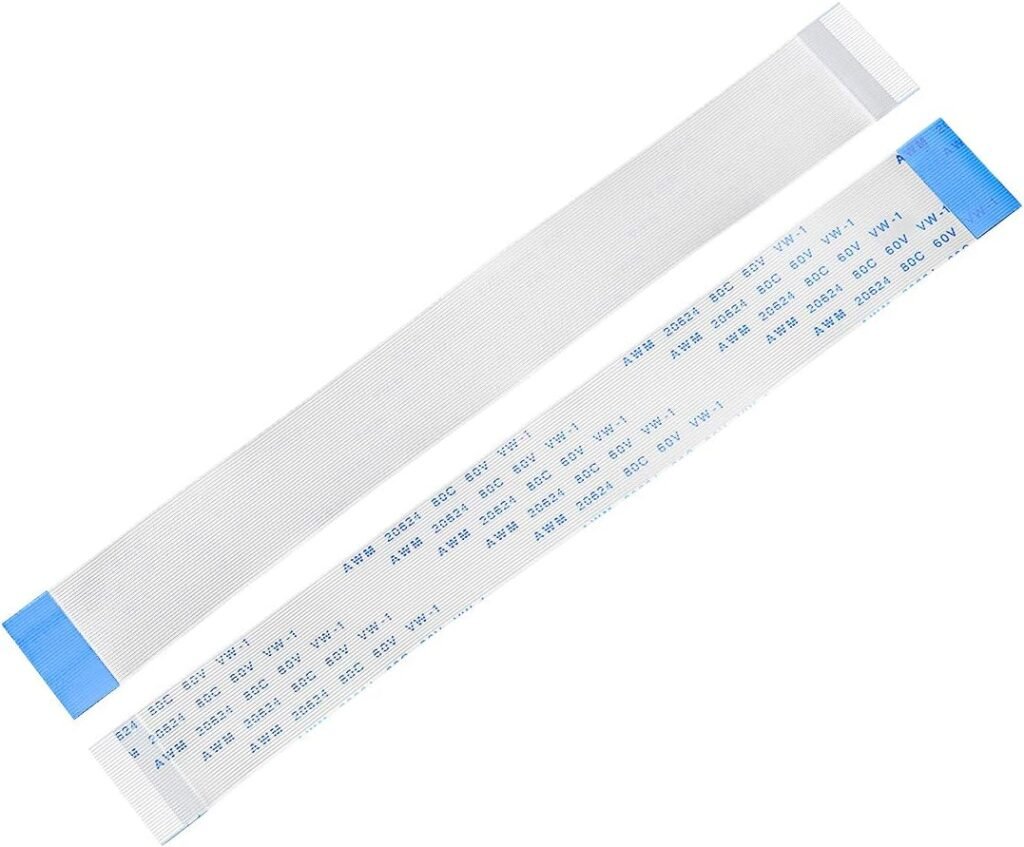
Flexible ribbon cable gives you an easy start in electronics. Many beginners find regular wires difficult to handle. You might struggle with soldering or face broken wires after bending them too much. Ribbon cables and flex cables remove these problems, helping you avoid mistakes with clear layouts and color-coded wires. You save space, spend less money, and find these cables in many stores. With ribbon cables and flex cables, you can focus on learning and building instead of worrying about cable issues.
- No more tricky soldering
- Fewer broken wires
- Easy cable management
- Clear connections
- Simple installation
Key Takeaways
- Flexible ribbon cables simplify handling, making it easier for beginners to manage their projects without tangling or breaking connections.
- Color-coded wires in ribbon cables help you quickly identify connections, reducing mistakes and saving time during installation.
- The flat design of ribbon cables allows for efficient use of space, making them ideal for compact electronics and tight areas.
- Using ribbon cables can lower project costs by minimizing errors and reducing the need for expensive components.
- Ribbon cables are widely available in stores and online, ensuring you can easily find the right cables for your projects.
Easy to Use
Simple Handling
You want your first electronics project to go smoothly. Ribbon cables make this possible. Their flat shape lets you grip and move them without tangling or twisting. You do not need to fight with stiff wires or worry about breaking connections. Flex cables bend easily, so you can route them around corners or fit them into small spaces. You save time because the fibers come pre-sorted. You do not need to spend extra effort organizing wires before you start.
Tip: When you use ribbon cables, you can quickly see which wire goes where. This helps you avoid confusion and makes your work neater.
Here is a quick look at how flexible ribbon cable compares to traditional round cables:
| Feature | Benefit |
|---|---|
| Small outer diameter (OD) | Lets you install cables in narrow pathways and small conduits, saving space. |
| Superb flexibility | Reduces cable stress and makes handling and installation easier. |
| Pre-sorted fibers | Cuts down installation time and labor by removing sorting and bonding steps. |
| Mass fusion splicing | Allows you to terminate many fibers at once, speeding up your project. |
Easy Installation
You want to finish your project without frustration. Ribbon cables and flex cables help you do this. Their lightweight and flexible nature means you do not need to struggle with complex routing. You can lay them flat, making your layout simple and organized. Flex cables absorb vibration, so you do not need to worry about damage during assembly. You spend less time fixing mistakes and more time building.
Here is how ribbon cables and flex cables impact your assembly time:
| Advantage | Impact on Assembly Time |
|---|---|
| Lightweight and flexible nature | Speeds up assembly by reducing complex routing and connections. |
| Space-saving (up to 60% less weight) | Makes layout and organization more efficient, so you finish faster. |
| Vibration absorption | Lowers risk of damage, which means less rework. |
You see results quickly when you use ribbon cables and flex cables. You gain confidence as you complete each step with ease.
Reduces Mistakes with Ribbon Cables
Organized Layout
When you start working with electronics, mistakes often happen because wires get mixed up or connected to the wrong place. Ribbon cables solve this problem by giving you a neat and organized layout. Each wire sits side by side in a flat, parallel line. You can see every conductor at a glance, which makes it much easier to follow the path from one end to the other. This design helps you avoid confusion and keeps your workspace tidy.
- Edge markings on ribbon cables show you exactly where each wire begins and ends.
- Color coding along the edge helps you match each wire to the correct pin or connector.
- The organized layout lines up each conductor with its matching spot, so you do not have to guess where to connect.
- You lower the risk of reversed connections, which can damage your project.
- Installation becomes simple because you can align the cable with the connector in one step.
Flexible ribbon cable and extensible ribbon cables both use this organized approach. You get a clear view of your electrical interconnects, which means fewer mistakes and more reliable results.
Color-Coding
Color-coding is another feature that makes ribbon cables perfect for beginners. Each wire in the cable has its own color or stripe. You can quickly spot which wire goes where, even if you have many interconnects in your project. This system saves you time and helps you avoid errors when making electrical interconnects.
| Benefit of Color-Coding | Explanation |
|---|---|
| Efficient Management | Color-coding helps technicians quickly identify and manage connections, reducing the chance of errors. |
| Simplified Troubleshooting | By using color codes, network administrators can easily locate and troubleshoot specific cables, minimizing mistakes. |
| Reduced Downtime | Effective color management leads to fewer connection errors, which in turn decreases network downtime and enhances reliability. |
When you use ribbon cables, you spend less time searching for the right wire. You also fix problems faster if something goes wrong. This makes your first projects less stressful and more fun.
Space-Saving Flexible Ribbon Cable
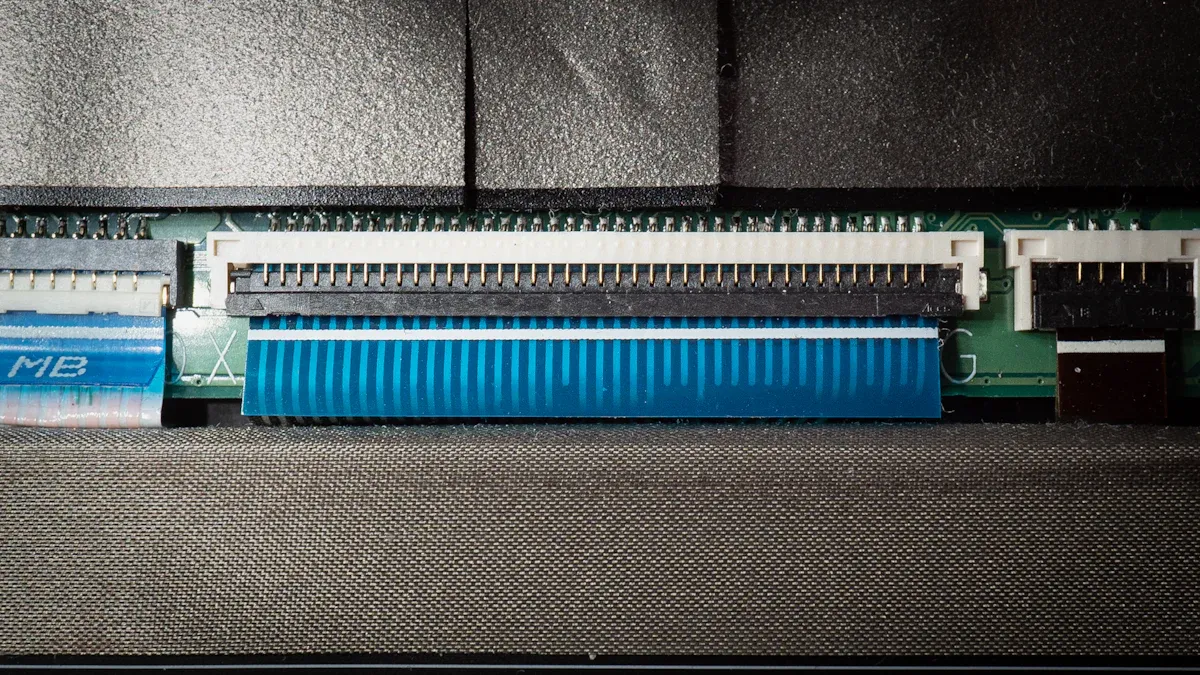
Flat Design
You often need to fit cables into small spaces when you build electronics. Ribbon cables help you do this because of their flat design. You can shape them into different forms, such as S curves, which lets you move around obstacles inside devices. This design gives you more options for routing and organizing your connections. You do not have to worry about bulky round cables taking up too much room.
- You save space because ribbon cables lay flat and stack easily.
- You can bend them to fit tight corners without breaking.
- You get a neat and organized look inside your project.
The flat design also helps you use every bit of space in compact electronics. Designers choose ribbon cables for laptops, cameras, and other small devices because they make the most of limited space.
| Feature | Benefit for Beginners |
|---|---|
| Flat shape | Fits easily in slim or crowded areas |
| S-curve routing | Moves around obstacles smoothly |
| Space optimization | Maximizes usable area in devices |
Fits Tight Spaces
You want your project to work in a small case or enclosure. Ribbon cables make this possible. Their semi-flexibility means you can bend them without causing damage. The minimum bend radius depends on the cable’s outer diameter, usually between six and twelve times the diameter. This property keeps your connections reliable, even when you need to route cables through narrow gaps.
Flexible ribbon cable stands out because it maintains signal integrity and reliability, even in entry-level electronics. You can trust these cables to perform well, whether you use them in a simple DIY kit or a more advanced device. Molex’s Premo-Flex series, for example, offers high durability and can handle thousands of bending cycles. You get cables that last and keep your project running smoothly.
- Ribbon cables work well in compact and dynamic environments.
- Extensible ribbon cables adapt to different shapes and spaces.
- You benefit from flexibility, which helps you avoid broken wires and messy layouts.
Tip: Choose ribbon cables when you need to save space and keep your project organized. You will find installation easier and your results more reliable.
Affordable and Accessible
Budget-Friendly
You want to start electronics projects without spending too much money. Flex cables help you save on costs. Many beginners worry about the price of parts, but you do not need to break the bank for quality connections. Flex cables often cost less than traditional wiring because manufacturers produce them in large quantities. You can buy them in different lengths and sizes, so you only pay for what you need.
Tip: Buy flex cables in multi-packs to get even better value for your money.
You also save money because flex cables reduce mistakes. When you make fewer errors, you do not waste parts or time. This makes your projects more affordable in the long run.
Here is a quick comparison:
| Cable Type | Average Cost | Waste Reduction | Beginner Value |
|---|---|---|---|
| Flex cables | Low | High | Excellent |
| Traditional wire | Medium | Low | Moderate |
Easy to Find
You can find ribbon cables and flex cables almost anywhere electronics are sold. Most local electronics stores carry them, and you can order them online with just a few clicks. You do not need to search specialty shops or wait weeks for delivery. This easy access helps you start your projects right away.
- Local hardware stores often stock ribbon cables.
- Online retailers offer many types and sizes of flex cables.
- Electronics kits for beginners usually include these cables.
Note: Always check the specifications before you buy. Make sure the cable matches your project’s needs.
You will not feel stuck or delayed because you cannot find the right cable. With ribbon cables and flex cables, you can focus on building and learning.
Versatile Flex Cables for Projects
Many Applications
You will find flex cables and ribbon cables in almost every modern device. These cables help connect parts inside electronics, making them essential for many applications. You might see them in laptops, LCD TVs, car audio systems, and even in medical equipment. Their flexibility allows you to fit them into tight spaces, which is important for compact devices.
Here is a table showing where you might find these cables:
| Cable Type | Common Applications |
|---|---|
| Flex Cable | Motherboards, plotters, LCD appliances, aviation, IoT devices, smart home technology |
| Ribbon Cable | Computers, hard drives, CD drives, test equipment, robotics, medical equipment |
You can also spot flex cables in wearable devices and flexible lighting systems. Their space-saving design helps reduce the size of gadgets. This makes your projects look neat and professional. When you use extensible ribbon cables or thin-film ribbon cables, you get even more options for creative layouts and reliable interconnects.
Tip: Try using flex cables in your next project if you want to save space and keep your wiring organized.
Adapts to Skill Level
Flex cables work well for both beginners and advanced users. You do not need special tools to use them. Many types, such as Type A and Type B, come ready to connect. Ultra-flexible silicone versions bend easily and resist damage, so you can handle them without worry. These features make flex cables perfect for learning and experimenting.
You can start with simple projects, like connecting LEDs or sensors. As you gain confidence, you can move on to more complex applications, such as building your own smart home devices. Flex cables offer long life and work in extreme temperatures, so your interconnects stay reliable over time.
Here are some reasons why flex cables suit all skill levels:
- Easy to install and remove
- Withstand bending and twisting
- Support many types of interconnects
- Work in both mild and harsh conditions
You will see that ribbon cables and flex cables help you learn faster and avoid common mistakes. Their versatility means you can use them in almost any project, from simple gadgets to advanced electronics.
You now know why flexible ribbon cable, ribbon cables, and flex cables make electronics easier for beginners.
- You get simple handling
- You avoid mistakes
- You save space
- You spend less
- You enjoy versatility
Try flex cables in your next project. You will build with more confidence and less stress.
FAQ
What is the difference between ribbon cable and flex cable?
Ribbon cables have flat, parallel wires. Flex cables, also called FFCs, use thin, flexible plastic and can bend more easily. You often use ribbon cables for organized connections. Flex cables work best in tight spaces or where you need frequent bending.
Can I cut ribbon cable to a custom length?
Yes, you can cut ribbon cable with scissors or a sharp blade. Always cut straight across. Make sure you do not damage the wires inside. After cutting, you can strip the ends to expose the conductors for easy connection.
Are ribbon cables safe for beginners to use?
You can use ribbon cables safely as a beginner. The flat design helps you avoid wiring mistakes. Color-coding makes connections clear. Always check the voltage and current ratings before use. Follow basic safety tips to protect your project and yourself.
Where can I buy flexible ribbon cables?
You can find flexible ribbon cables at electronics stores, online retailers, and hardware shops. Many beginner kits include them. Check product descriptions for length, width, and connector type. This helps you choose the right cable for your project.
