
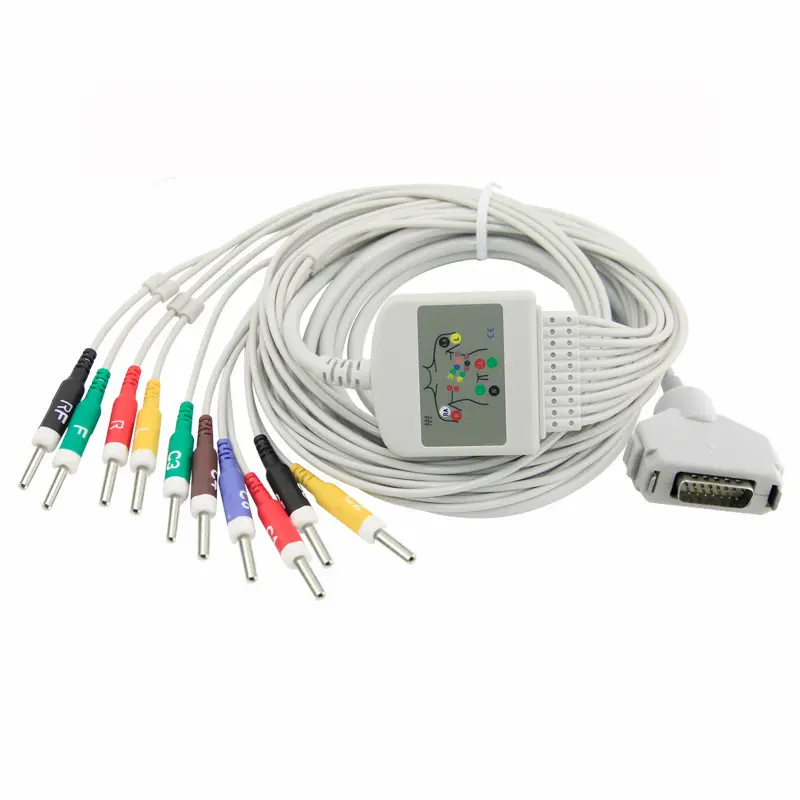
You see a wiring harness as a group of wires and cables that connect electrical parts in your car or device. This system lets energy and information move safely. Careful design improves how each wiring harness fits, protects, and organizes. YLS offers custom design for automotive cables and ribbon cables.
Key Takeaways
A wiring harness organizes and protects wires, ensuring safe energy and signal flow in devices and vehicles.
Quality design and testing of wiring harnesses reduce the risk of electrical shorts and improve overall safety and performance.
Choosing the right materials and components in a wiring harness enhances durability and efficiency, especially in automotive applications.
Wiring Harness Basics and Components
What is a Wiring Harness
You can think of a wiring harness as the backbone of any electrical system. It brings together many wires and cables into one organized unit. This structure connects different electrical parts, making sure energy and signals move safely and efficiently. In modern design, a wiring harness does more than just link components. It protects wires from damage caused by vibration, heat, and moisture. You see this in cars, medical devices, and electronics. When you use a wiring harness, you make installation easier and reduce the risk of electrical shorts. The design also helps save space and keeps everything neat. YLS specializes in advanced wiring harness design, offering solutions that fit the needs of new technology. Their products, like automotive cables and custom ribbon cables, support high-speed data and reliable connections.
Tip: A good wiring harness design can improve safety by using flame-retardant sleeves and organized layouts.
Key Parts of a Harness Assembly
A harness assembly includes several important parts. Each part plays a key role in the design and function of the wiring harness. Here is a table that shows the main components and their roles:
Component | Role |
|---|---|
Wires | Carry electrical current between components. |
Connectors | Join wires to devices or other harnesses for easy installation and repair. |
Tapes and Sleeves | Protect and organize wires, prevent rubbing, and reduce the risk of shorts. |
Transfers and Switches | Control the flow of current, allowing you to turn devices on or off. |
Combine Holders and Breakers | Secure wires and protect circuits from too much current. |
Diodes and Resistors | Manage the direction and amount of current and voltage. |
Sensors and Actuators | Detect changes and convert signals into actions, like moving a motor. |
Circuit Breakers | Stop the flow of current if there is a problem, keeping the system safe. |
The materials used in a harness assembly matter for both safety and performance. You often find copper or aluminum in wires because they conduct electricity well. Protective sleeves use materials like PVC or Teflon to guard against heat and chemicals. Tapes add extra insulation and keep wires secure. Each part of the design works together to create a reliable wiring harness.
Common Applications in Vehicles and Electronics
You see wiring harnesses in many places. In an automotive vehicle, the wiring harness connects sensors, lights, displays, and control units. This setup helps with steering, braking, and even entertainment systems. The design supports advanced features like driver assistance and smart dashboards. In medical devices, a wiring harness links sensors, displays, and power supplies. This ensures that equipment works safely and accurately. Consumer electronics, such as computers and printers, use harness assemblies to connect circuit boards, screens, and buttons.
YLS provides specialized products for these uses. Their automotive cable handles high temperatures, vibration, and EMI interference. This makes it perfect for modern cars that need reliable and flexible wiring. The custom ribbon cable from YLS fits compact electronics, offering flexible routing and organized connections. These products show how wiring harness design adapts to new technology, making devices safer and more efficient.
Note: When you choose the right wiring harness design, you help new technologies work better in vehicles and electronics.
Electrical Harness Assembly Process and Importance
How Electrical Harness Assembly is Made
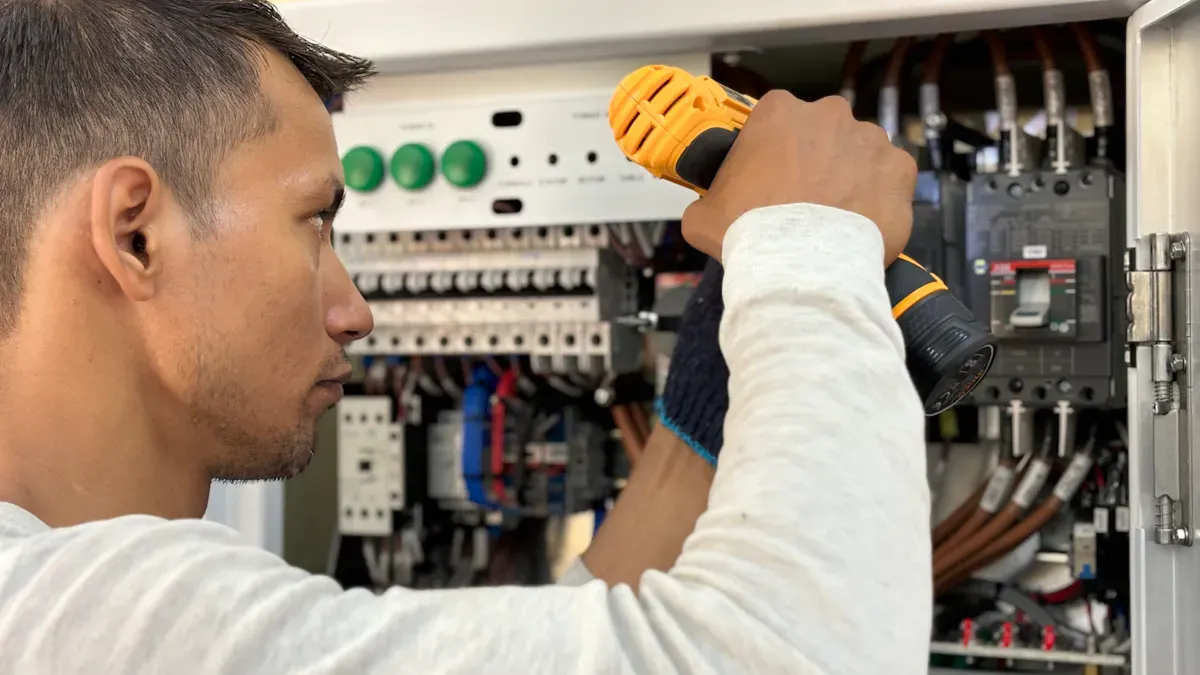
You start the electrical harness assembly process with careful planning and design. Each step ensures that the wire and cable assembly will work safely and efficiently in its final application. Here is what you can expect during the assembly process:
An electrical system engineer defines the functions and requirements for the system. This includes electrical load and any special needs.
You create a complete schematic for the vehicle or device. This schematic shows how each wire and cable assembly will connect.
You develop the wiring harness design. This step considers different versions for various end users.
A 2D drawing shows how you will bundle and secure the wires. This helps you organize the layout before building.
You use 3D tools to place each component and check all connections. This step ensures that the design fits the space and works with other parts.
After you finish the design, you begin the physical assembly. You bundle wires, add protective sleeves, and attach connectors. You also label each wire and cable assembly for easy identification. The final step is testing. You check for electrical continuity and make sure there are no shorts or open circuits. This process helps you deliver a reliable wiring harness.
Tip: Careful design and testing at each step reduce the risk of errors and improve the quality of the final product.
Manufacturing Challenges and Quality Standards
You face several challenges when you manufacture a wiring harness. Cost, design complexity, and weight all play a role. In automotive applications, you must also consider durability and electromagnetic interference (EMI) shielding. These factors make the design process more demanding. You need to choose materials that can handle vibration, heat, and chemicals. You also need to make sure the wire and cable assembly fits tight spaces without adding extra weight.
Quality control is a key part of the manufacturing process. You use several inspection methods to check each wiring harness. The table below shows common inspection points:
Inspection Method | Inspection Points |
|---|---|
Crimping | Core wire protrusion, core wire projection length, bellmouth amount, sheath projection length, cutoff length, bend up/down, twist, rolling |
Pressure Contact | Wire overrun, clearance at the wire tip, conductor protrusion, displaced pressure contact center, scratch on housing, scratch or deformation of pressure contact piece |
Soldering | Core wire protrusion, defective soldering continuity, solder bridge |
You also check for electrical disconnections and short-circuits using continuity testers. Proper crimp height is important. If you do not crimp correctly, you can cause wire displacement or poor connections. Appearance inspections look for issues like core wire protrusion and projection length. YLS uses advanced manufacturing and strict quality standards, including ISO9001 and RoHS certifications, to ensure each wiring harness meets industry requirements.
Why Wiring Harnesses Matter for Safety and Performance
A wiring harness does more than connect parts. It improves the safety, efficiency, and reliability of your electrical system. Here is what you gain when you use a well-designed wiring harness:
You get better data consistency and signal integrity.
You save space and reduce installation time.
You lower the risk of electrical shorts and fires by using flame-retardant sleeves.
You can verify and simulate the design with advanced tools, which helps you find problems early.
Quality control is crucial. You must inspect each wire and cable assembly for defects. This includes checking for electrical disconnections, short-circuits, and proper crimping. When you use advanced solutions like those from YLS, you reduce the failure rate in automotive and electronic applications. A reliable wiring harness supports high-speed data, protects against EMI, and ensures your system works as designed.
Note: A strong focus on design and quality helps you build safer and more efficient vehicles and devices.
You see how a wiring harness connects and protects every electrical system. In automotive applications, you rely on smart design to manage energy and signals. High-quality harness assembly, like YLS automotive cables and custom ribbon cables, supports safe, efficient design. You depend on strong wiring harness design for modern technology.
FAQ
What does a wiring harness do?
You use a wiring harness to organize and protect wires. It connects electrical parts and helps signals move safely in your device or vehicle.
What makes automotive cables different from regular cables?
You find automotive cables built for high temperatures, vibration, and EMI resistance. They support safe, reliable connections in cars and other vehicles.
What is a custom ribbon cable used for?
You use a custom ribbon cable to connect parts inside compact electronics. It saves space and keeps wiring neat in devices like printers and laptops.
