
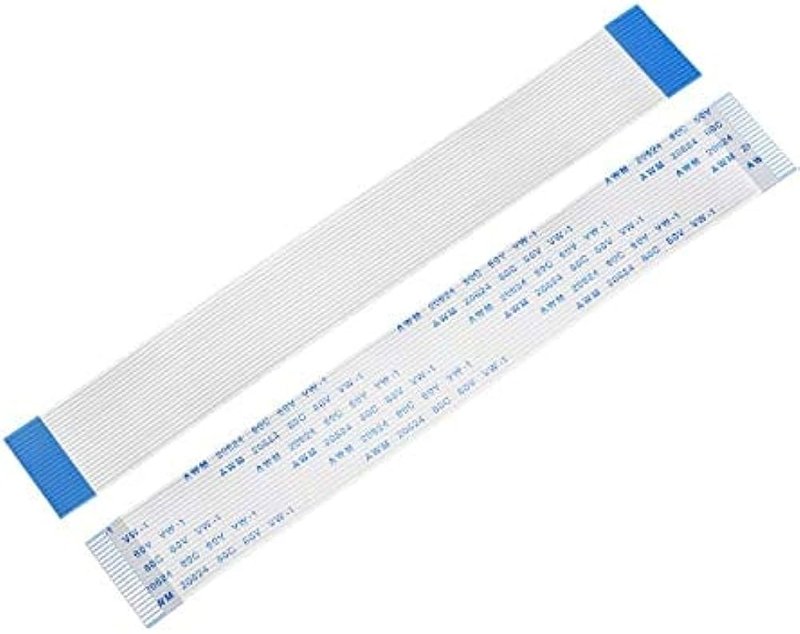
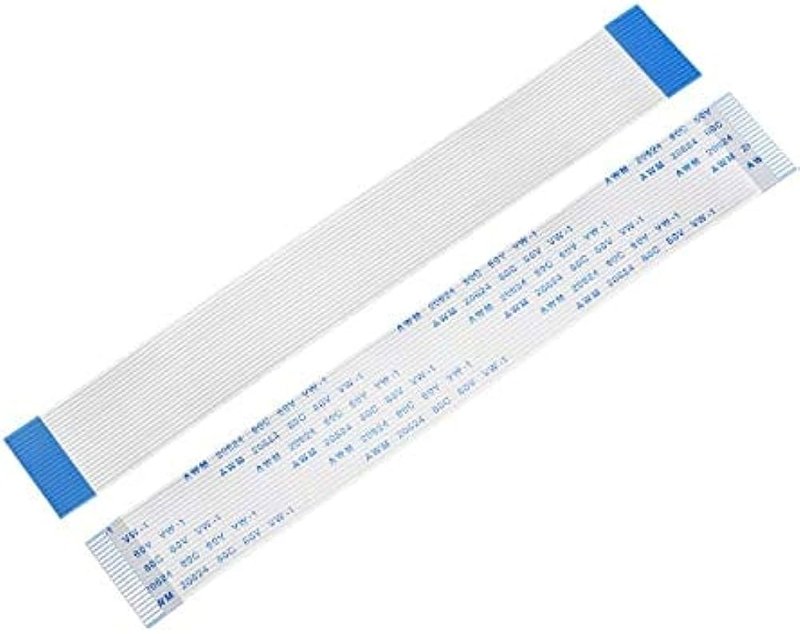
You often face a choice between flexible flat cable and ribbon cable when you design or upgrade electronic systems. Flexible flat cable gives you the highest level of flexibility and space-saving for tight or dynamic assemblies. Ribbon cable works well when you need organized wiring in static setups. YLS specializes in both types, offering advanced solutions for demanding applications. Understanding these differences helps you avoid costly mistakes in your projects.
Key Takeaways
Flexible flat cable is best for devices that move often, like smartphones and medical equipment. It bends easily and saves space.
Ribbon cable works well for static setups, like printers and desktop computers. It keeps wiring organized and in place.
Choosing the right cable type prevents costly mistakes. Match the cable to your device’s movement and environment.
YLS offers fast prototyping and customization options. You can get cables tailored to your specific needs quickly.
Understanding the differences between cable types helps you design better products and avoid warranty claims.
Flat Cable Construction & Design
Flexible Flat Cable Features
You see flexible flat cable used in devices where space is limited and movement is frequent. This cable uses parallel copper conductors laminated between polyester or polyimide film. The design allows you to bend the cable in one direction, making it ideal for folding or sliding parts. Insulation thickness ranges from 0.3 mm to 1.5 mm, which supports higher current-carrying capacity. You benefit from reliable signal transmission and easy routing in compact assemblies. Flexible flat ribbon cable also offers high flexibility and can fit into tight spaces without sacrificing performance.
Tip: Choosing flexible flat cable helps you avoid redesigns in dynamic harnesses, especially in smartphones, LCD panels, and automotive displays.
Ribbon Cable Features
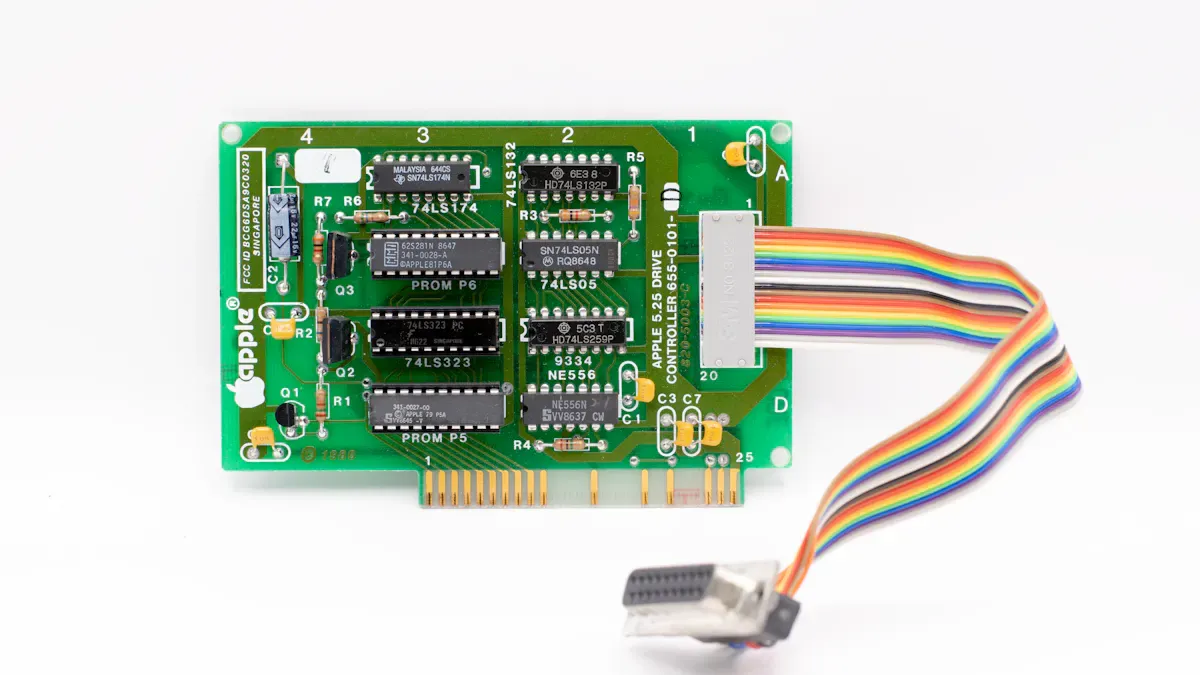
Ribbon cable provides organized wiring for static setups. You find thin gauge wires arranged in a flat ribbon format, usually insulated with PET or polyimide. These cables work best for low-voltage signals under 300V. The insulation is thinner, typically between 0.1 mm and 0.5 mm. Ribbon cables suit applications like printers, LED lighting, and notebook computers, where wiring stays in place and does not need frequent movement.
Here is a quick comparison:
Feature | Flexible Flat Cable | Ribbon Cable |
|---|---|---|
Conductors | Copper, parallel arrangement | Thin gauge wires, ribbon format |
Insulation Thickness | 0.3 mm to 1.5 mm | 0.1 mm to 0.5 mm |
Voltage Rating | Supports higher current | Designed for low-voltage |
Flexibility | Bends in one direction | Flexible, but for static use |
YLS Product Customization
YLS gives you advanced customization for both flat cable types. You can select pitch sizes from 0.5 mm to 1.25 mm and pin counts from 4 to 96. YLS offers features like shielding, folding, cutouts, and labeling. You get fast prototyping within 72 hours and sample cables ready in 48 hours. This flexibility lets you match cable specifications to your device requirements, reducing warranty risks and assembly errors.
Customization Feature | Details |
|---|---|
Pitch Sizes | 0.5 mm, 1.0 mm, 1.25 mm |
Pin Count | 4 to 96 pins |
Additional Features | Shielding, folding, cutouts |
Prototyping Speed | 72 hours |
Sample Availability | 48-hour sample ready |
You avoid costly mistakes by specifying the right cable for your application. YLS’s expertise ensures you get the best fit for both dynamic and static harnesses.
Flexible Flat Cable vs Ribbon Cable Performance
Flexibility & Durability
You need to consider flexibility and durability when choosing between flat cable types. Flexible flat cable stands out in dynamic harnesses. You can bend it repeatedly without losing performance. This cable works well in devices that move or fold, such as automotive displays or medical equipment. You avoid damage by following the minimum bend radius guidelines. For static installations, ribbon cable provides enough flexibility for organized wiring but does not handle repeated movement as well.
Minimum bend radius should be at least 10 times the cable thickness for static setups.
For dynamic applications, you should use a bend radius of 20 times the thickness.
Dynamic cables can last up to 15 million flex cycles, making them ideal for moving parts.
Flexible flat ribbon cable offers high durability in environments where cables must flex often. You reduce the risk of cable failure by selecting the right cable for your application. YLS designs cables for both static and dynamic harnesses, helping you avoid costly redesigns and warranty claims.
Environmental Resistance
You must check environmental resistance before installing cables in harsh conditions. Flexible flat cable resists moisture, chemicals, and temperature extremes. You can use it in automotive, industrial, or medical devices where reliability matters. Flat cable protects against dust, mud, and UV radiation, ensuring stable performance.
Flexible cables operate at temperatures up to 180°C and withstand short-term exposure to 250°C.
These cables resist water, steam, acids, hydrocarbon distillates, ozone, and UV radiation.
Thermoplastic elastomers maintain flexibility at extreme temperatures and offer chemical resistance.
Ribbon cable works well in indoor environments with moderate humidity and temperature. You should choose flexible flat cable for outdoor or demanding applications. YLS provides cables with advanced insulation and shielding, giving you peace of mind in tough conditions.
Note: Choosing the right cable for your environment prevents early failures and keeps your devices running longer.
Real-World Lifespan
You want cables that last as long as your devices. The operational lifespan depends on the application, bending cycles, material quality, and exposure to environmental factors. Flexible flat cable can last from 1 to 20 years, depending on how you use it. Ribbon cable typically lasts 5 to 20 years in optimal conditions.
Application | Expected Lifespan | Key Influencing Factors |
|---|---|---|
Consumer Electronics | 3–7 years | Moderate bending, indoor use, low humidity |
Industrial Equipment | 5–15 years | Vibration, temperature fluctuations, dust |
Automotive Systems | 8–15+ years | Wide temperature range, constant movement |
Medical Devices | 10–20 years | Sterilization cycles, repeated flexing, strict reliability |
You must consider operating temperature, moisture, chemicals, UV light, mechanical stress, and electrical load. Flexible flat cable performs well in demanding environments and dynamic harnesses. Flat cable provides reliable signal integrity and easy routing in compact assemblies. You avoid specifying the wrong cable type by matching the cable to your application needs. YLS helps you select cables that meet industry standards and maximize device lifespan.
Tip: Always match cable type to your device’s movement and environmental demands. This reduces warranty risk and ensures long-term reliability.
Installation & Application Scenarios
Ease of Installation
You want installation to be fast and reliable. Flexible flat cable simplifies routing in tight spaces. You can fold or bend it to fit around corners or inside compact devices. Ribbon cable works well for static setups, where you need organized wiring that stays in place. You avoid mistakes by matching the cable type to your device’s movement. OEMs and importers reduce redesign and warranty risks by choosing the right cable for dynamic or static harnesses.
Tip: Flexible flat cable lets you route connections in smartphones, medical devices, and automotive displays without bulky wiring. You save time during assembly and improve signal integrity.
Typical Use Cases
You see flat cable and ribbon cable in many modern devices. Flexible flat cable supports dynamic movement and compact designs. Ribbon cable organizes wiring in devices that do not move often. Here is a table showing common application scenarios:
Sector | Application Scenarios |
|---|---|
Consumer Electronics | Smartphones, tablets, laptops, wearables, gaming consoles |
Automotive | Infotainment systems, ADAS sensors, instrument clusters, climate control |
Medical Devices | Imaging systems, patient monitors, surgical robotics, portable medical devices |
You avoid specifying the wrong cable type by understanding these scenarios. Flexible flat cable fits best in devices that require frequent movement or folding. Ribbon cable suits static setups where wiring stays fixed.
YLS Solutions for Modern Devices
YLS provides advanced solutions for OEMs and importers in automotive, medical, and consumer electronics. You benefit from cables that support device miniaturization and weight reduction. Flexible flat cable offers spatial efficiency and lightweight design. You can fit cables into narrow gaps and reduce overall device weight. Durable materials ensure reliability in dynamic environments.
Lightweight cables help reduce device weight in smartphones and wearables.
Flat cable enables spatial efficiency in compact assemblies.
Reliable construction withstands repeated flexing and vibration.
YLS customizes cables to match your device requirements. You avoid costly redesigns and warranty claims by selecting cables with the right flexibility, routing, and signal integrity. YLS’s expertise ensures you get the best fit for modern applications.
Cost & Value Comparison
Price Factors
When you compare the cost of flat cable and ribbon cable, you need to look at several important factors. Material type, customization, and order volume all play a role in the final price. For example, polyester (PET) and polyimide (PI) insulation offer different levels of durability and performance. Customization, such as pin count, pitch size, cable length, and conductor material, can change the price. If you order in larger volumes, you usually pay less per unit because of economies of scale.
Factor | Description |
|---|---|
Material Type | Options like polyester (PET) and polyimide (PI) affect durability and performance. |
Customization Options | Includes pin count, pitch size, cable length, and conductor materials, all impacting pricing. |
Order Volume | Larger orders typically reduce costs per unit due to economies of scale. |
You should consider these factors early in your project to avoid unexpected costs and delays.
Market Availability
You want cables that are easy to source and quick to deliver. Flat cable and ribbon cable are both widely available, but lead times can vary based on customization and order size. Standard cables are often in stock, while custom designs may require extra time for production. YLS offers rapid prototyping and fast sample delivery, so you can test and approve your design quickly. This speed helps you avoid project delays and keeps your production on schedule.
Value for Money with YLS
You get more than just a cable when you work with YLS. The company provides value-added services that help you save time and money. Rapid prototyping means you receive samples in just a few days. Technical support helps you match connectors and specifications. Customization options ensure your flat cable or ribbon cable fits your exact needs. YLS also offers feedback loops during development, so you can adjust your design before full production.
Service Type | Description |
|---|---|
Rapid Prototyping | Samples are built in 3–5 working days, including precision cutting, labeling, and insulation options. |
Technical Support | Assistance with connector sourcing and matching specifications. |
Customization Options | Adjustments and feedback loops are provided to ensure the final product meets customer needs. |
Tip: Choosing a supplier with fast turnaround and strong support helps you avoid costly redesigns and warranty claims.
You make a smart investment when you choose YLS for your flat cable needs. The right cable, delivered quickly and tailored to your application, reduces risk and increases your project’s success.
Pros & Cons Overview
Flexible Flat Cable Pros & Cons
Flexible flat cable gives you several advantages when you need high-density connections and space-saving layouts. You can use it in devices where every millimeter counts, such as smartphones or medical equipment. The cable’s parallel conductor design supports reliable signal transmission and easy folding. You often choose flexible flat cable for dynamic harnesses because it handles repeated bending well.
Here is a quick look at the most cited pros and cons:
Advantages | Disadvantages |
|---|---|
High pin density | Limited flexibility in routing |
Space-saving benefits | Not ideal for high power transmission |
Why choose flexible flat cable?
You get high pin density, which means you can connect more signals in a smaller space. This helps you design compact devices and reduce clutter inside your product. The cable’s flat shape also makes it easy to route through tight spaces.What should you watch out for?
Flexible flat cable works best for signal transmission, not for carrying high power. You may find routing options limited because the cable bends mainly in one direction. If your design needs complex routing or high current, you might need to consider other options.
Note: You avoid costly redesigns by matching flexible flat cable to applications that need frequent movement and compact layouts.
Ribbon Cable Pros & Cons
Ribbon cable offers a different set of strengths. You often use it for static harnesses where organized wiring is important. It fits well in devices like printers or desktop computers, where cables stay in place and do not flex often.
Here is a comparison of key aspects:
Aspect | Ribbon Cable (Flat Cable) | Flexible Flat Cable |
|---|---|---|
Reliability | Reliable for organized setups | Better for demanding, dynamic uses |
Cost | Less expensive, good for bulk | More expensive, adds features |
Ease of Use | Easy to organize, fits tight spaces | Bulkier, but better protection and signal quality |
Why choose ribbon cable?
You save money on bulk installations. Ribbon cable is easy to organize and fits into tight spaces. It works well for static wiring where cables do not move.What should you watch out for?
Ribbon cable may not perform as well in demanding or dynamic environments. It offers less protection and may not support advanced features like shielding or high-speed data as effectively as flexible flat cable.
Tip: You reduce warranty risk by choosing ribbon cable for static, organized wiring and flexible flat cable for dynamic, high-performance needs.
You need to match cable type to your application. Flexible flat cable works best for dynamic, space-saving designs. Ribbon cable suits static, organized wiring. Consider factors like material durability, connector compatibility, and environmental demands. YLS offers unmatched customization and rapid prototyping. You benefit from expert guidance throughout your project. Reach out to YLS for advice on selecting the right cable and reducing redesign risk.
Application requirements
Cable specifications
Connector compatibility
Choosing the right cable helps you avoid costly mistakes and ensures reliable performance.
FAQ
What makes flexible flat cable better for dynamic harnesses?
You choose flexible flat cable for dynamic harnesses because it bends easily and withstands repeated movement. This reduces the risk of cable failure in devices that fold or move, helping you avoid costly redesigns and warranty claims.
Why should you use ribbon cable in static assemblies?
You use ribbon cable in static assemblies because it organizes wiring and stays in place. This cable works well in devices where movement is minimal, making installation straightforward and reducing errors during assembly.
How do these cables affect signal integrity?
You get reliable signal integrity with both cable types. Flexible flat cable often provides better shielding and consistent conductor spacing, which helps prevent interference. Ribbon cable suits low-frequency signals and organized layouts, but may need extra shielding for high-speed data transmission.
What factors help you decide between flexible flat cable and ribbon cable?
You consider device movement, space constraints, and environmental demands. Flexible flat cable fits dynamic, compact designs. Ribbon cable works best for static, organized wiring. Choosing the right cable reduces redesign risk and ensures long-term reliability.
Can you customize cable specifications for your application?
You can customize pitch, pin count, length, and termination options. YLS offers rapid prototyping and technical support, so you match cable specifications to your device needs and avoid assembly mistakes.
