

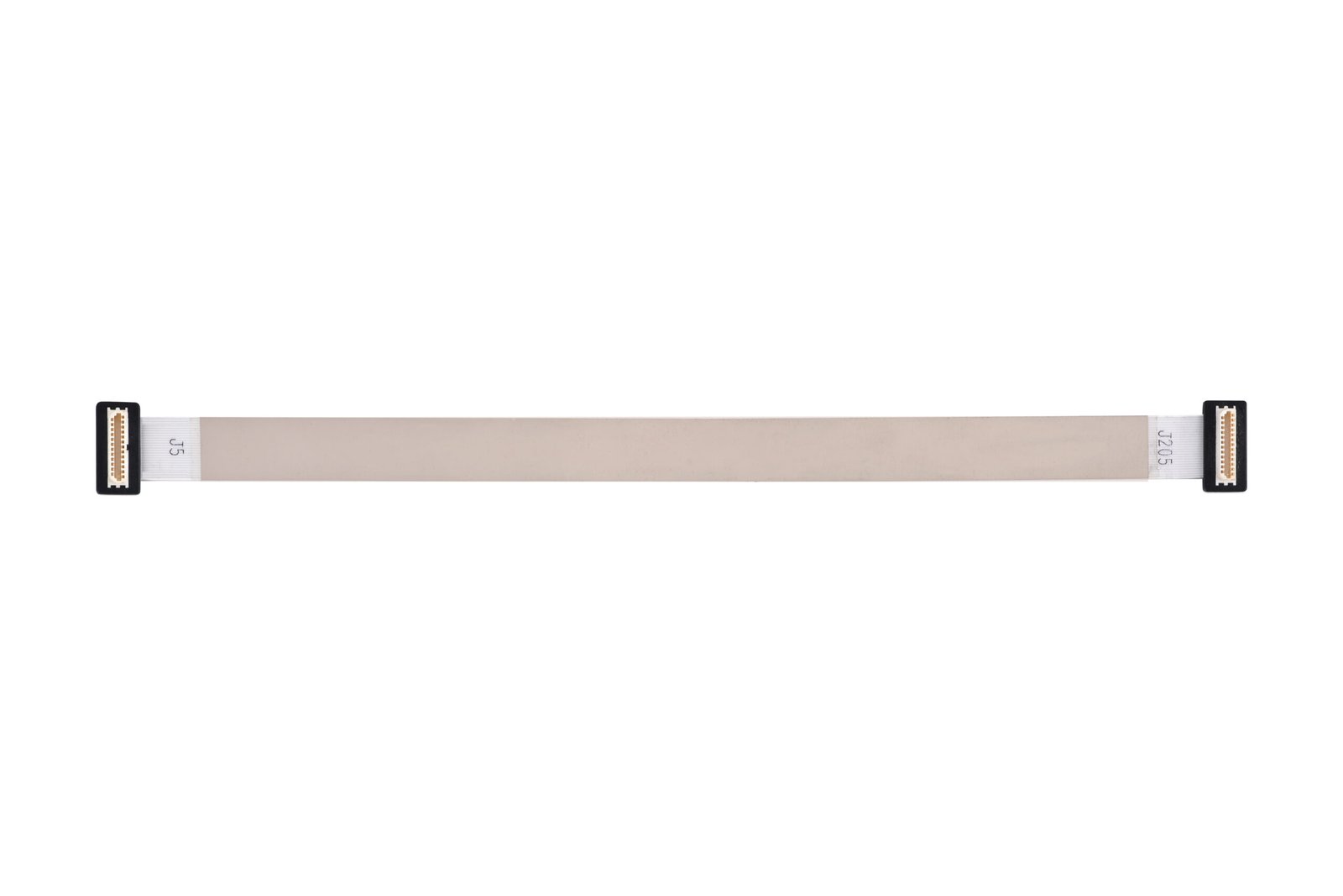
The main difference between a shielded cable and an unshielded cable is how each handles electromagnetic interference. A shielded cable has a protective layer that blocks outside noise, keeping your signal clear in busy or high-noise environments. An unshielded cable does not have this extra protection, so it works best where interference is low. When you select cables for high-speed or sensitive equipment, the right choice can prevent signal loss and system errors. YLS provides advanced Shielded-cable solutions for demanding industries.
Key Takeaways
Shielded cables protect signals from electromagnetic interference (EMI), making them ideal for noisy environments like factories and data centers.
Unshielded cables are lighter and more flexible, making them suitable for low-noise areas such as homes and offices.
Choosing the right cable depends on your environment, EMI risk, application type, budget, and required certifications.
Investing in shielded cables can reduce signal loss and improve performance, especially in high-speed data applications.
YLS offers customizable shielded cable solutions that meet strict industry standards for various demanding applications.
What is a shielded cable?
Shielded cable construction
A shielded cable uses a special design to protect signals from outside electrical noise. You will find one or more insulated conductors inside, each surrounded by a conductive shield layer. This shield blocks unwanted electromagnetic interference, or EMI, from reaching the signal. Most shielded cables have a central copper or aluminum conductor, a dielectric insulator, a shield, and an outer jacket for protection. The shield often connects to a drain wire, which helps carry away any absorbed noise. You can see different types of shielding in these cables, such as foil, braid, or a combination of both. Common materials for the shield include semi-conductive layers, copper tape, braided wire, and foil. Each type offers a unique balance of flexibility and protection. For example, braided shielding gives you more flexibility and durability, while foil shields provide lightweight coverage.
EMI protection and applications
Shielded cables work by blocking EMI and radio-frequency interference (RFI) from entering or leaving the cable. This keeps your signals clear and reliable, even in busy environments. You might use shielded twisted pair cables in places with lots of electrical equipment or where high-speed data must stay accurate. In laboratory tests, shielded cables can reduce interference by more than 80dB, depending on the shield type and thickness. You will often find shielded cables in industries like manufacturing, data centers, security systems, and medical labs. The table below shows where you might need effective cable shielding:
Industry | Reason for Shielding |
|---|---|
Manufacturing Facilities | Motors and robotic equipment generate significant EMI, requiring shielded cables. |
Data Centers and Communication Hubs | Dense cabling creates a high risk of interference, necessitating EMI shielded cables. |
Security and Surveillance Systems | Signal clarity is crucial; interference can lead to dropped frames or false alarms. |
Medical and Laboratory Environments | Sensitive devices need pristine signals to avoid distortion and faults. |
YLS Shielded-cable features
When you choose YLS shielded cables, you get advanced protection for your most demanding applications. YLS offers a wide range of shielding formats, including foil, braid, and dual-sided options, so you can match the cable to your needs. You can customize pitch, pin count, and cable length for your project. YLS shielded cables support high-speed signals like USB, HDMI, CAN, and LVDS, making them ideal for automotive, medical, and industrial electronics. These cables meet strict industry standards, including RoHS, REACH, and UL certifications. With YLS, you gain reliable performance, fast assembly, and the flexibility to handle dynamic or harsh environments. If you need effective cable shielding for your next project, YLS shielded cables deliver the quality and customization you expect.
What is an unshielded cable?
Unshielded cable structure
You will find that an unshielded cable has a simple design. It contains one or more insulated wires bundled together, but it does not have any extra shielding layer around the conductors. This lack of shielding makes unshielded cables lighter and more flexible than shielded types. You can bend and route these cables easily, even in tight spaces. The table below shows how unshielded cables compare to shielded cables in terms of weight and flexibility:
Feature | Shielded Cables | Unshielded Cables |
|---|---|---|
Weight | Heavier due to shielding | Lighter without shielding |
Flexibility | Less flexible | More flexible, easier to bend |
Because unshielded cables do not have a shield, they rely on the insulation around each wire to prevent signal loss. You may also see unshielded twisted pair cables, which use a twisted design to help reduce interference.
Performance in low-EMI environments
Unshielded cables work best in places where electromagnetic interference, or EMI, is not a big problem. You should use these cables in environments that do not have much electrical noise. Some common locations include:
Standard offices
Commercial buildings
Classrooms
Residential installations
In these settings, unshielded cables deliver reliable performance. You do not need the extra protection that shielding provides, so you can take advantage of their lighter weight and greater flexibility. This makes installation faster and easier.
Common uses for unshielded cables
You will often use unshielded cables for everyday wiring needs. These cables are popular in home and office LANs, where the risk of interference is low. You might also choose unshielded cables for connecting computers, printers, or other devices in quiet environments. Here are some typical applications:
Home LANs
Office LANs
Low-noise data and voice networks
Unshielded cables cost less than shielded cables. You can install them quickly, which saves time and effort. If you work in a space with minimal EMI, unshielded cables give you a practical and efficient solution.
Shielded cable vs unshielded cable: Key differences
Performance and interference
You need to consider how shielded cables and unshielded cable perform in environments with electromagnetic interference (EMI). Shielded cables use a conductive shield to block outside noise. This shield keeps your data safe from errors and signal loss. You will see shielded cables used near heavy machinery, in data centers, and in places with lots of electrical equipment. These cables maintain reliable data transmission rates even when EMI is present. You get faster speeds and fewer errors because the shield reflects or conducts interference away from the signal.
Unshielded cable does not have this extra layer. It relies on the twisting of wire pairs to reduce interference. In low-EMI environments, unshielded cable works well and provides adequate performance. When EMI increases, you may notice slower transmission and more data errors. Shielded cables maintain speed better because they reduce interference.
Shielded cables maintain speed and reliability in high-EMI areas.
Unshielded cable is more likely to experience slower transmission and signal degradation when exposed to EMI.
Cost and installation
You should look at both the cost and the installation process before choosing a cable type. Shielded cables cost more because they use extra materials and require more complex manufacturing. You will also find that shielded cables are heavier and stiffer. This makes them harder to handle and install, especially in tight spaces. You may need trained professionals for proper installation.
Unshielded cable is lighter, more flexible, and easier to install. You can route it through small spaces without much trouble. It is also more affordable, which helps you save money on large projects.
Here is a table that compares cost and installation for both cable types:
Aspect | Shielded Cables | Unshielded Cables |
|---|---|---|
Cost | More expensive due to shielding and manufacturing | More cost-effective |
Installation | Heavier, stiffer, needs skilled installers | Lightweight, flexible, easy to install |
Over a ten-year period, shielded cables may offer lower total ownership costs. You get better performance and less downtime, which can save you money in the long run. Shielded cables also support future upgrades, making them a smart choice for next-generation systems.
Shielded Ethernet cable costs 20–40% more per foot than unshielded cable.
Shielded cables reduce testing time and improve reliability, which can lower lifetime costs.
Shielded cabling supports systems beyond 10 GB/s, making it future-proof.
Pros and cons summary
You should weigh the advantages and disadvantages of each cable type before making a decision. Shielded cables protect your data from EMI and provide strong signal integrity. They work best in demanding environments where interference is a concern. Unshielded cable is versatile, inexpensive, and easy to install. It is suitable for places with minimal EMI.
Here is a summary table to help you compare:
Type of Cable | Advantages | Disadvantages |
|---|---|---|
Shielded Cables | Protects data from EMI, improved signal protection, enhanced communication fidelity | More costly, less flexible, harder to install in small spaces |
Unshielded Cables | Versatile, inexpensive, easy to install, lightweight, flexible | Less protection from interference, not for high EMI environments |
Tip: If you work in an environment with high EMI, shielded cables give you the best protection and performance. For simple installations in quiet areas, unshielded cable is a practical and budget-friendly choice.
Shielded cables are ideal for automotive, medical, and industrial electronics. You can rely on YLS shielded cable solutions for advanced EMI protection, high-speed data transmission, and reliable performance in critical systems.
How to choose between shielded and unshielded cables
Factors to consider
When you select a cable, you need to look at several important factors. The right choice depends on your environment, the risk of electromagnetic interference (EMI), your application, your budget, and any required certifications.
Environment: If you work in an industrial setting with heavy machinery, shielded cables help block EMI. Medical facilities also need shielded cables for reliable signals. Recording studios and data centers benefit from shielding to keep signals clear.
EMI Risk: High EMI areas, such as near power lines or in places with sensitive data, require shielded cables. For low EMI environments, like standard offices or homes, unshielded cables work well.
Application Type: Automotive, medical, and industrial systems often need shielded cables for safety and performance. Consumer electronics and smart home devices may use unshielded cables if interference is low.
Budget: Shielded cables cost more because of extra materials. Unshielded cables are more affordable and easier to install.
Certifications: Medical and automotive applications often require cables that meet strict standards for safety and reliability.
Here is a quick comparison:
Factor | Shielded Cables | Unshielded Cables |
|---|---|---|
EMI Protection | High | Low |
Flexibility | Less flexible | More flexible |
Cost | Higher | Lower |
Installation | Needs care | Easy |
Signal Integrity | Excellent in noisy environments | Good in quiet environments |
Tip: Always check if your project needs cables that meet industry standards, such as ISO or RoHS.
YLS recommendations for cable selection
You should match your cable choice to your specific application. For automotive wiring, look for cables that resist heat, chemicals, and abrasion. Shielded cables protect against EMI and support future upgrades. In medical devices, choose cables that meet hygiene and safety standards, such as ISO compliance and the ability to withstand sterilization.
For industrial automation, select cables with robust shielding and high flex-life. Consumer electronics often need ultra-thin, flexible cables for tight spaces. Communication antennas benefit from EMI shielding and custom folding patterns. Smart home devices use low-profile, noise-free cables for stable connections.
YLS offers tailored solutions for every need. You can customize pitch, pin count, length, and shielding type. YLS technical experts help you choose the best cable and materials for your project. You also get support for special requirements, such as unique jacket colors or temperature ratings.
Note: YLS provides fast prototyping, low minimum order quantities, and full compliance with global standards. You can trust YLS to deliver reliable, high-performance cables for any application.
You now know that shielded cables block interference and keep signals strong in noisy places, while unshielded cables work best in quiet environments. Always match your cable choice to your needs. If you need high performance or work near strong EMI, YLS Shielded-cable gives you reliable results. Use this table to help you decide:
Factor | Choose Unshielded Cable When… | |
|---|---|---|
EMI/RFI Intensity | High (factories, medical, 5G areas) | Low (offices, homes) |
Distance | Over 55 meters | Under 30 meters |
Security | High-security sites | Standard networks |
Budget | Flexible budget | Tight budget |
Environment | Hot, humid, outdoor | Controlled, indoor |
Tip: For demanding or sensitive projects, YLS Shielded-cable ensures top performance and peace of mind.
FAQ
What is EMI and why does it matter for cables?
EMI stands for electromagnetic interference. It can disrupt signals in your cables. You need to control EMI to keep your data clear and your devices working well.
How do I know if I need shielded cable?
You should choose shielded cable if you work near motors, wireless devices, or heavy machinery. These places create a lot of electrical noise that can affect your signals.
Can I use unshielded cables for high-speed data?
You should avoid unshielded cables for high-speed data in noisy environments. Shielded cables protect your signals and keep your data fast and reliable.
What types of shielding does YLS offer?
Shield Type | Best For |
|---|---|
Foil | Lightweight EMI protection |
Braid | Flexible, durable applications |
Dual-sided | Maximum EMI coverage |
You can pick the best option for your project.
