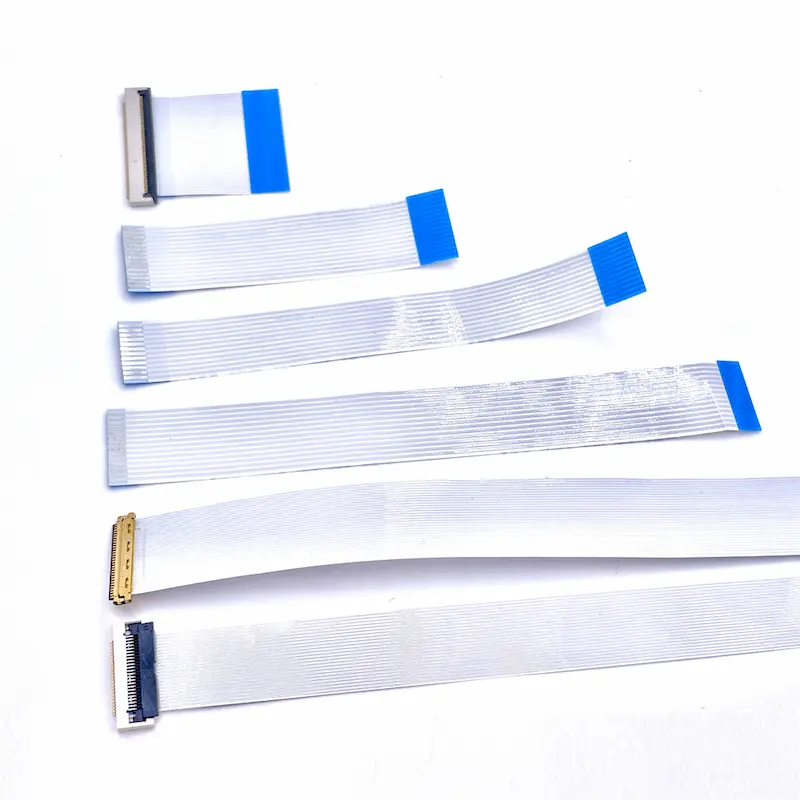
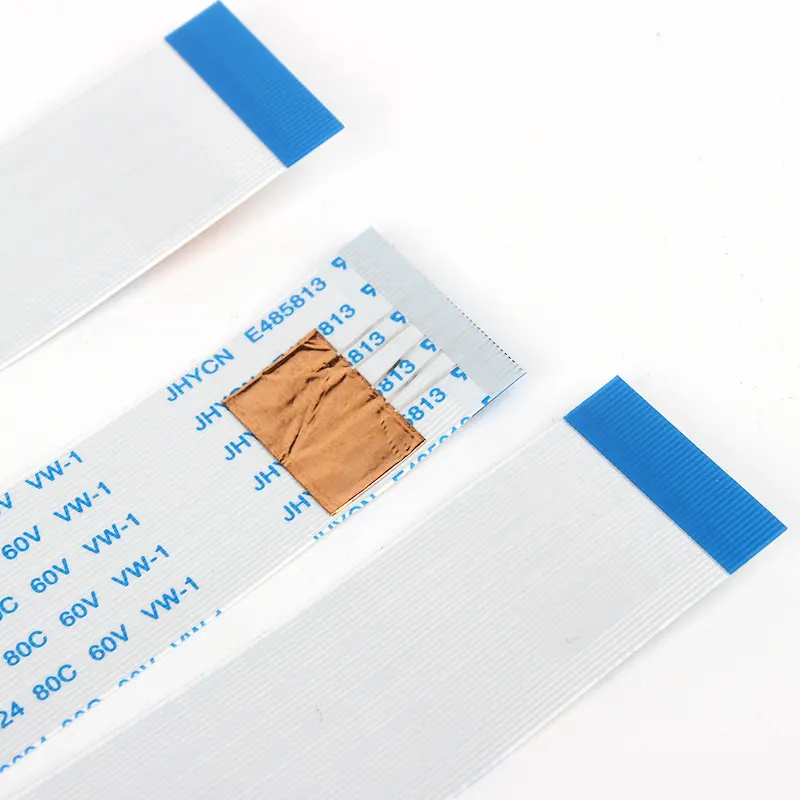
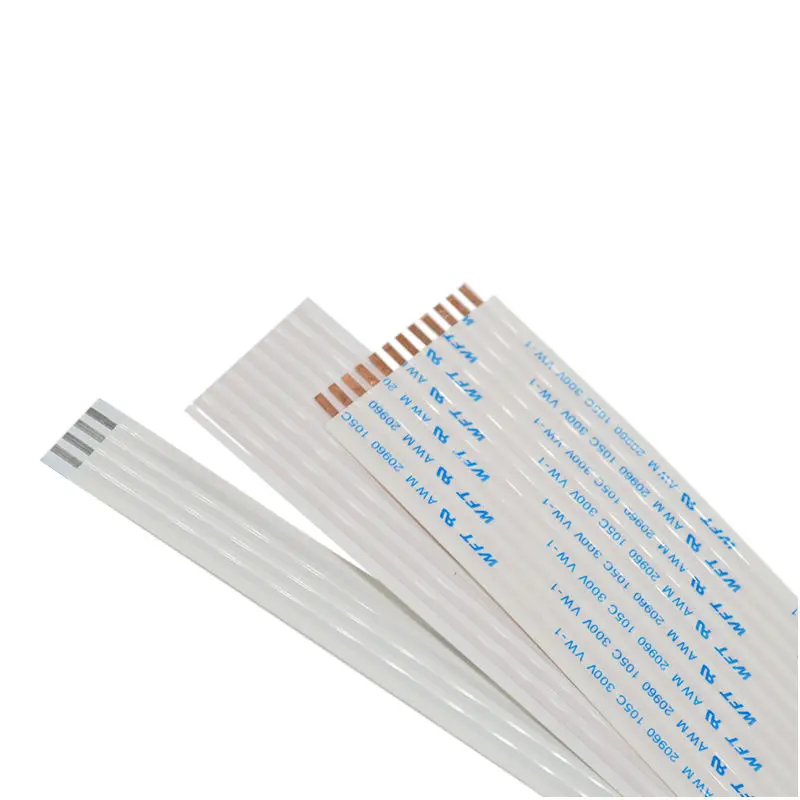
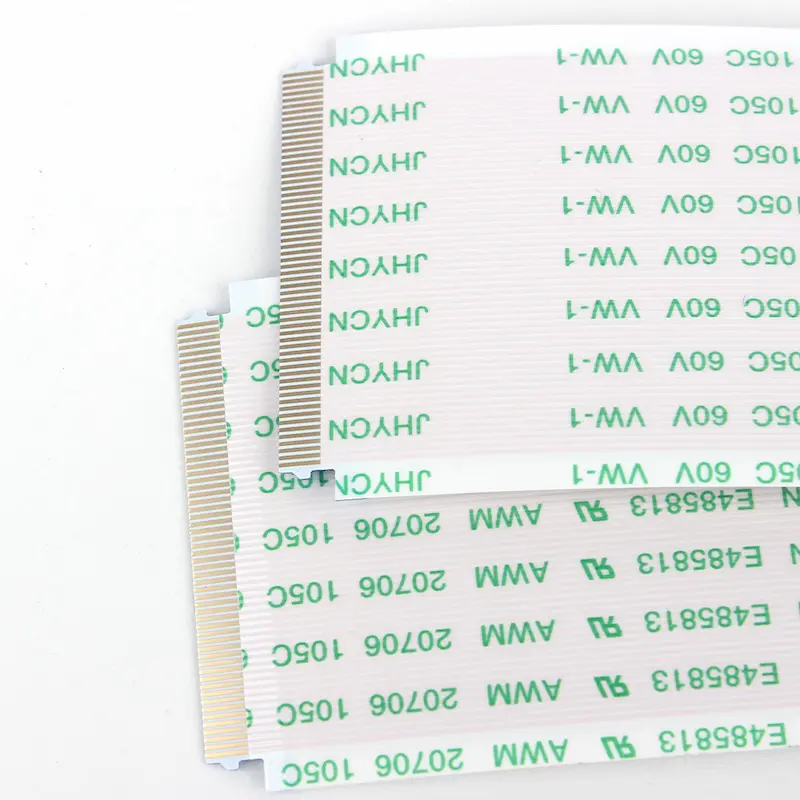
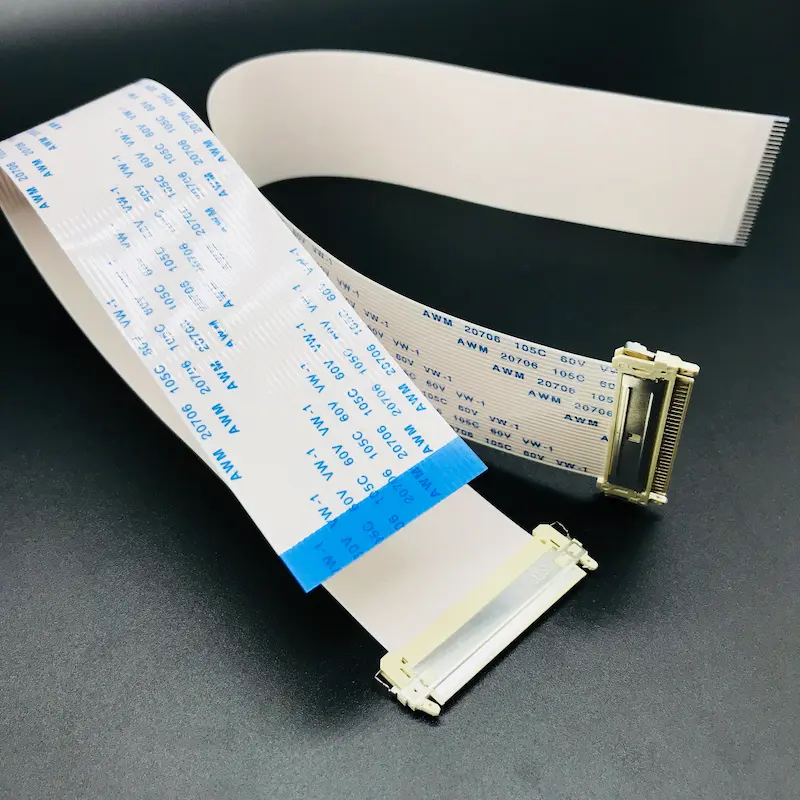
Our flat flexible cables are purpose-engineered for energy storage applications—from EV battery stacks to home ESS and industrial BMS. With custom shielding, flame-retardant films, and proven flex-cycle durability, we help you achieve compact, safe, and reliable interconnects for your critical power systems.
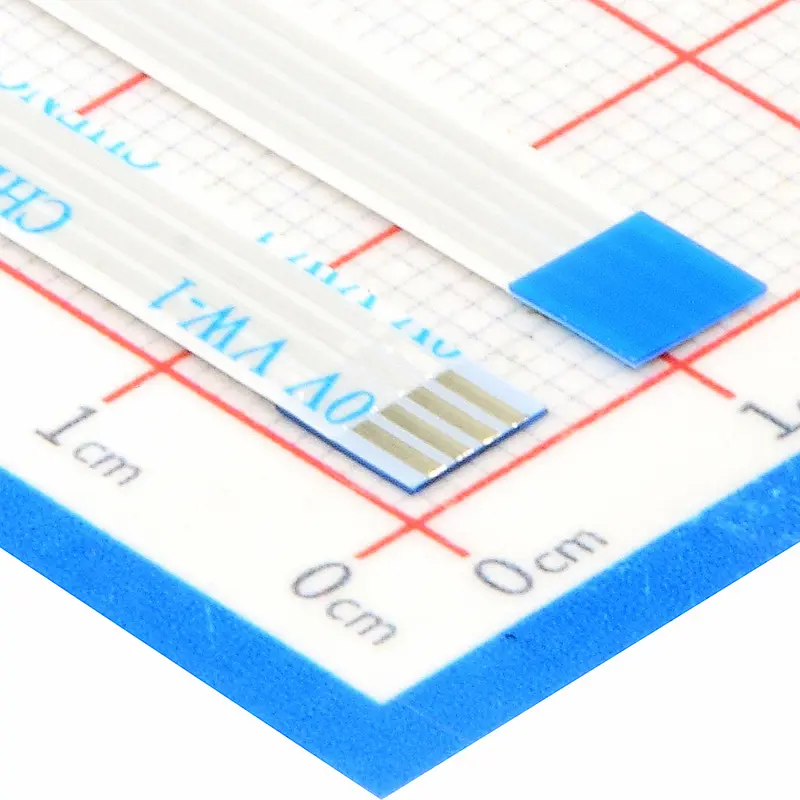
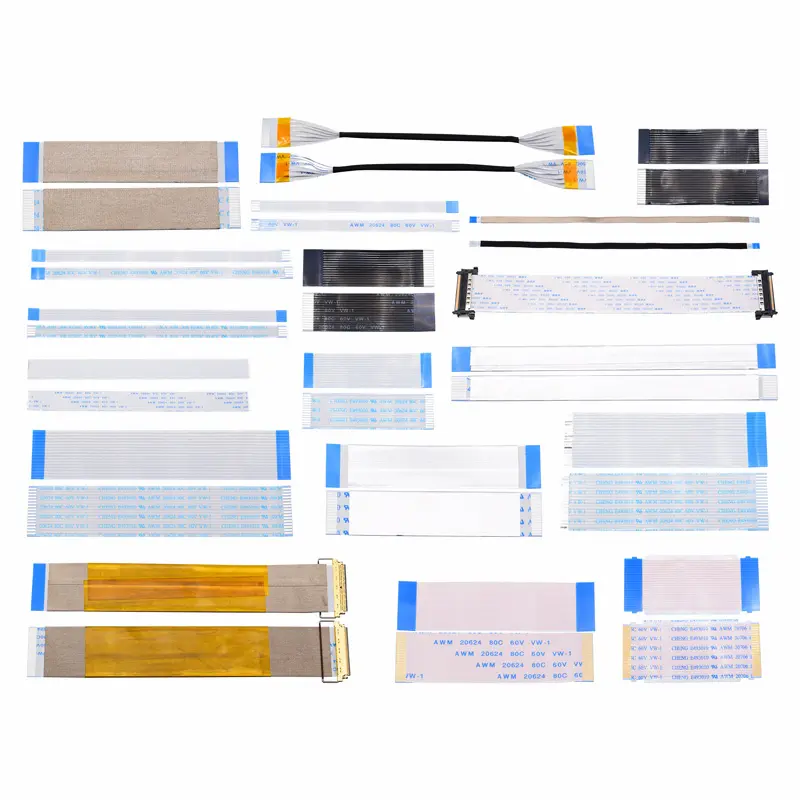
In EVs, home batteries, and industrial BMS, space is tight and performance is critical. Flexible flat cables (FFC) offer a compact, reliable way to connect cells, sensors, and control boards. With precise conductor spacing, stable impedance, and resistance to heat and vibration, FFCs outperform round wires in thermal and mechanical stress. Customizable pitch, shielding, and termination make them ideal for CAN, UART, and power signals across modern energy storage systems.
Where Energy Storage Systems Use FFC Cables
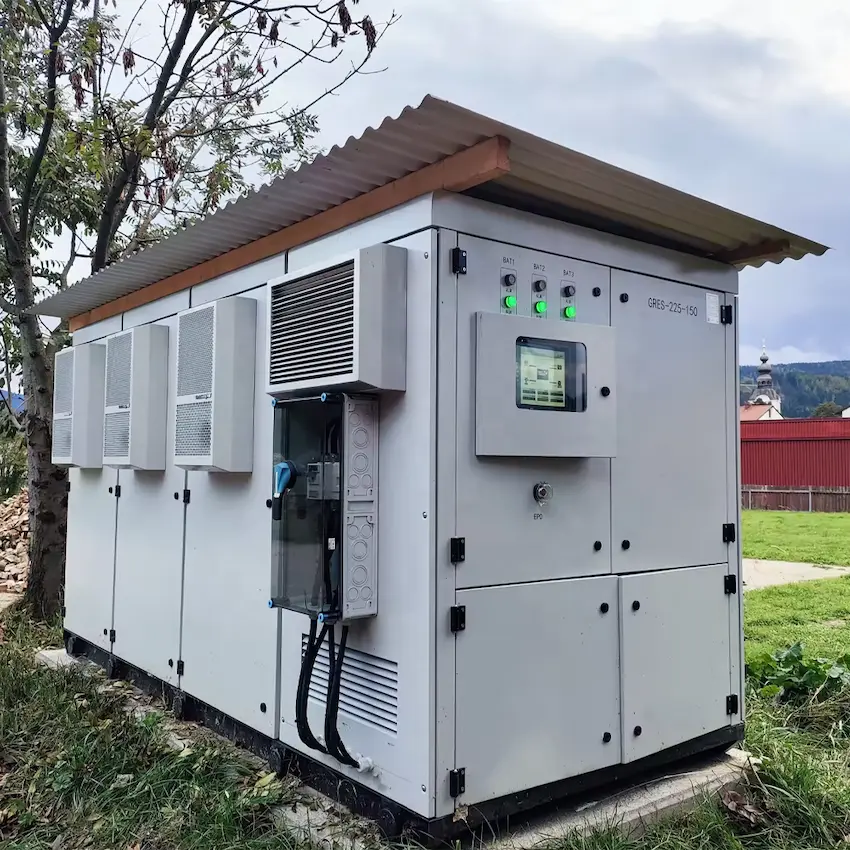
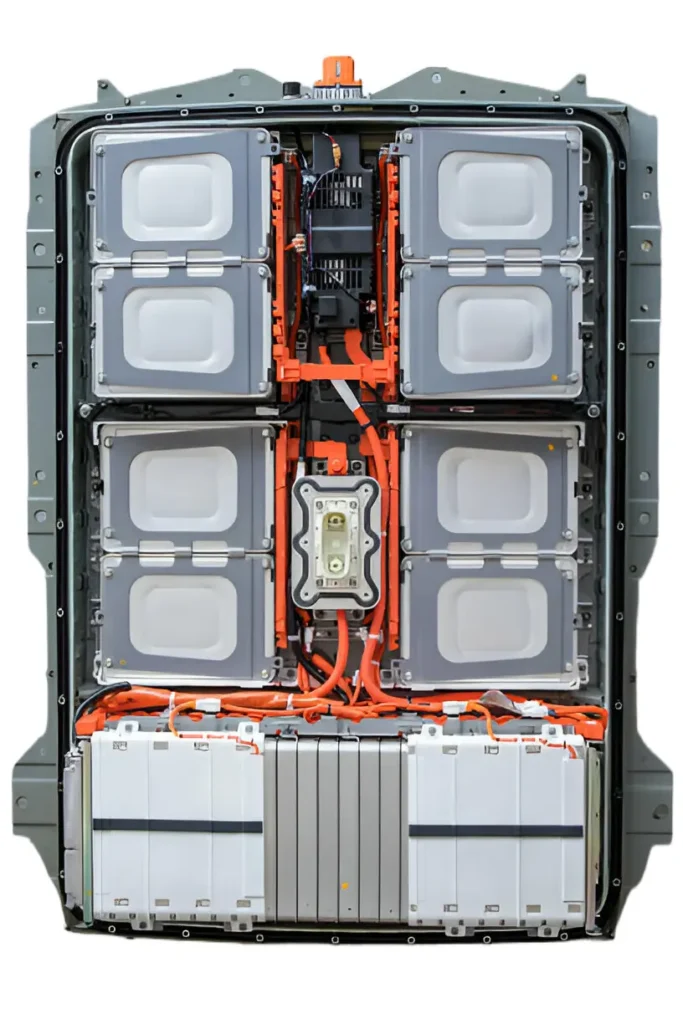
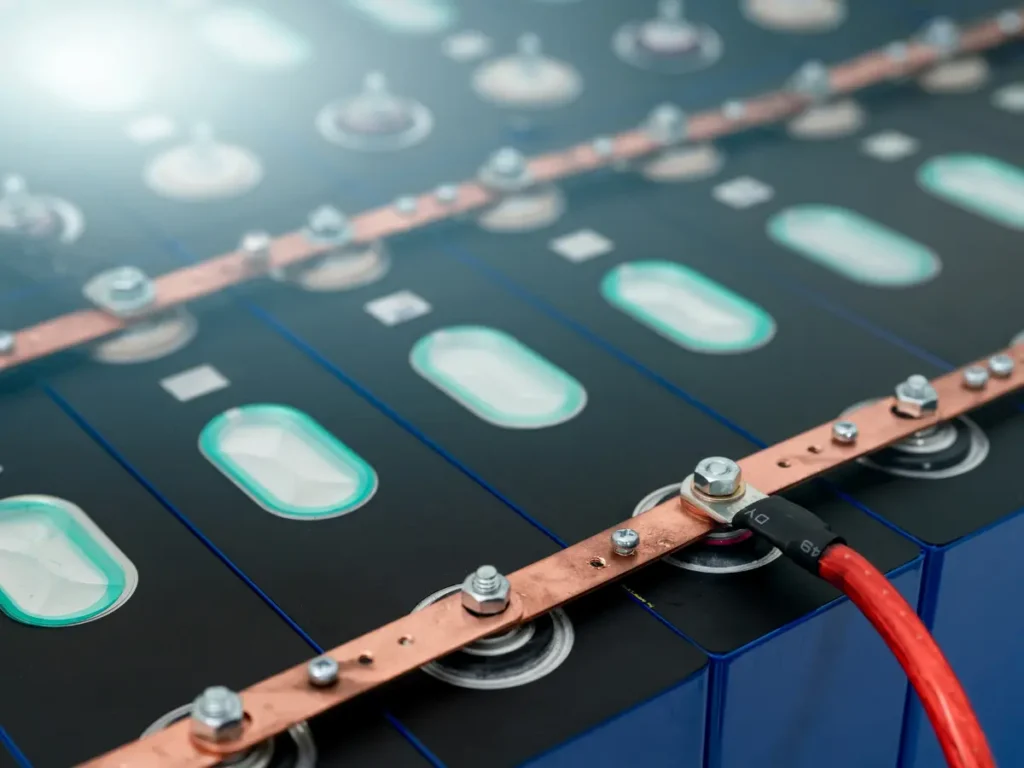
FFC cables are widely used in battery modules, BMS boards, and monitoring circuits across EV packs, stationary ESS, and UPS units. They connect cell groups, temperature sensors, communication ICs, and control logic with consistent spacing and minimal EMI. Their thin, flexible design supports tight bends and layered stacking, making them ideal for modular battery packs and integrated power systems.
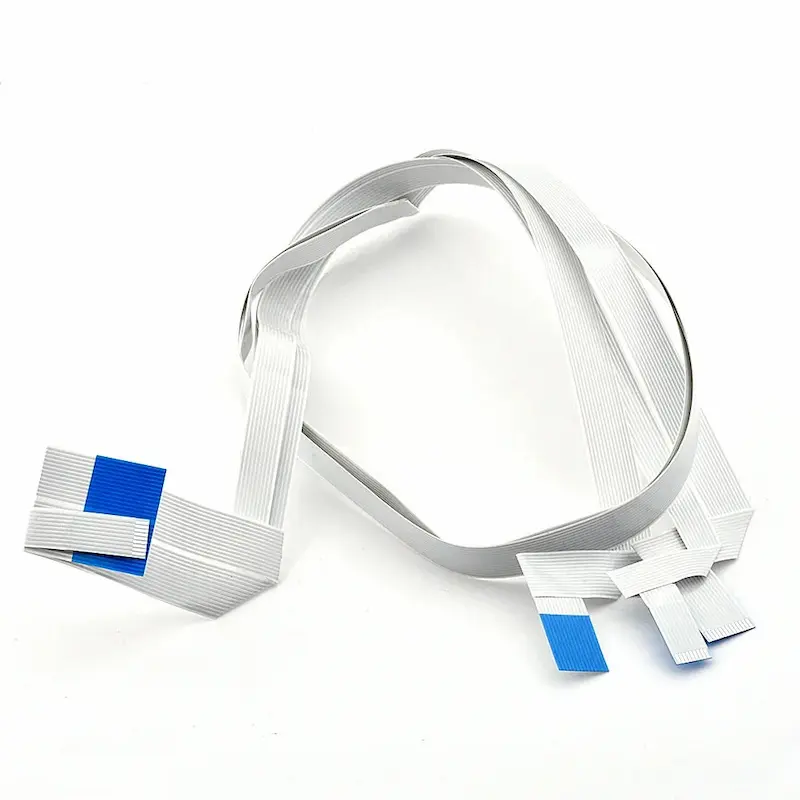
BMS Signal FFC Cable
Reliable flat cables for transmitting cell voltage, current, and system control signals in battery management systems.
EV Battery Module Interconnect FFC
Used to link adjacent cell modules in high-voltage EV packs or stationary ESS. Offers multi-fold routing, mechanical reinforcement, and optional EMI shielding.
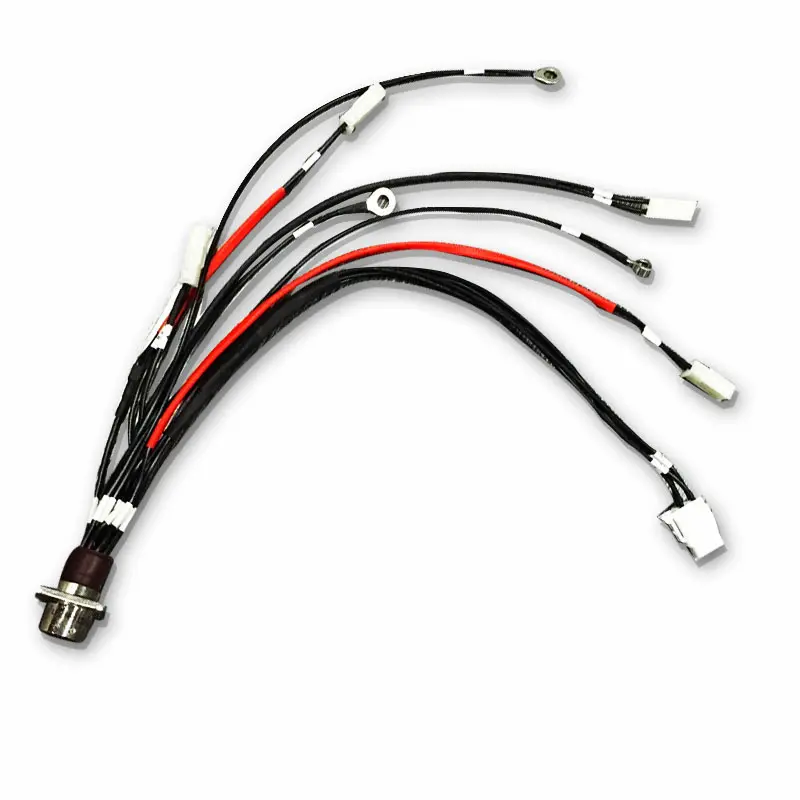
Thermal Sensor FFC Cable
Connects NTC/PTC temperature sensors across battery cells to the BMS. Designed to withstand high temperatures and allow tight routing.
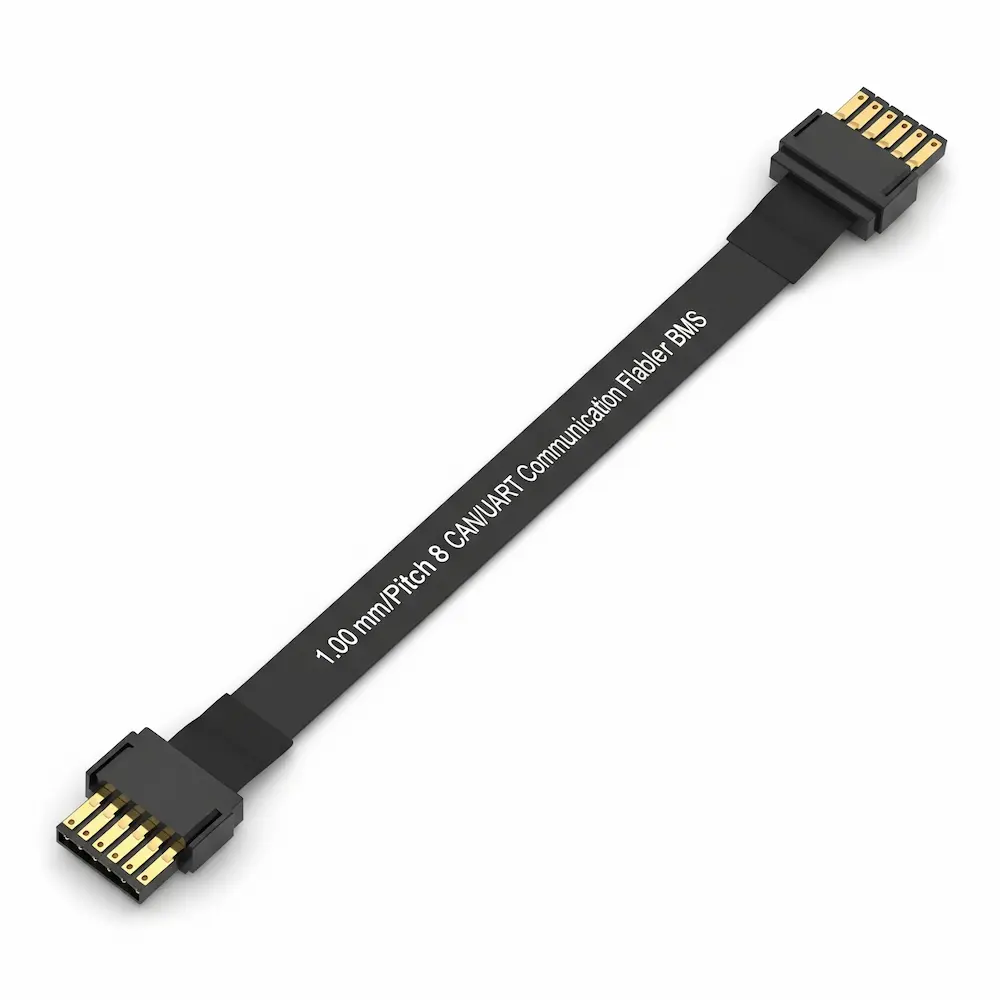
CAN/UART Communication Flat Cable
Carries communication signals (CAN bus, UART, SPI, etc.) between BMS components or across pack segments.
Tin-plated copper • ✨ Gold-plated for high reliability
Labeling & Marking
Serial number • Batch code • Custom text
Stiffener Options
Reinforced ends • Integrated flex-transition zones
Packaging
Flat • Coiled • Static-shielded kit packaging
Custom Ribbon Cable Capabilities — Built to Your Specs
Your application may require more than just a standard pitch or length. That’s why we offer complete customization on all critical parameters — so your ribbon cable fits perfectly, functions reliably, and installs easily.
Whether you need just 50 pieces for a prototype or 50,000 for production, we can deliver with speed and precision.
1. Pitch & Conductor Configuration
Design the spacing and layout that fit your device’s constraints.
Adapt the cable to your layout without compromising space.
Lengths from 30mm to 1000mm+
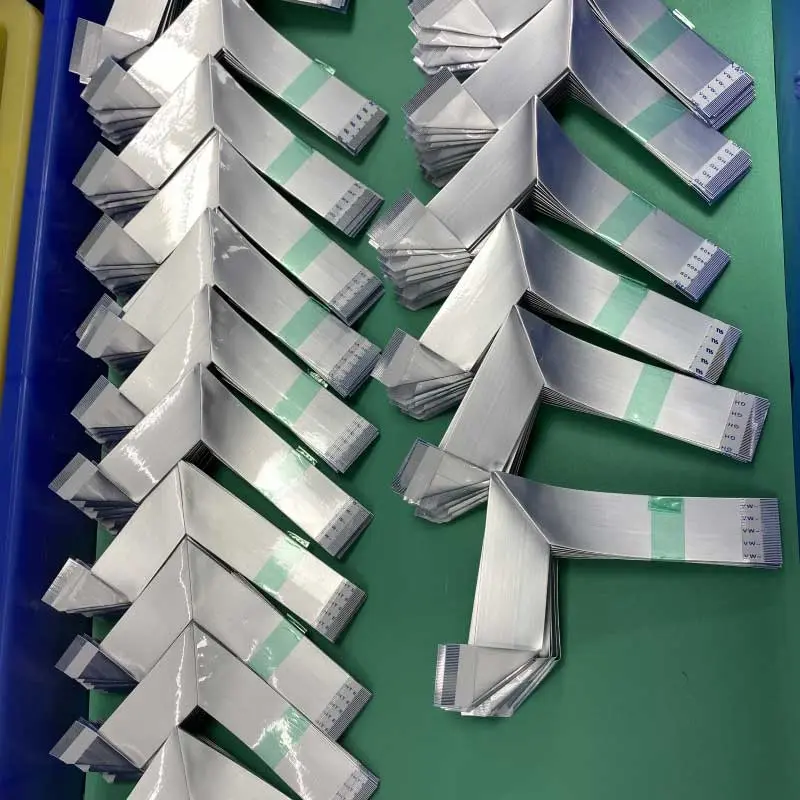
Straight, L-shape, Z-fold, or multi-branch
Fold lines pre-creased for easy routing
3. End Termination Options
Seamless integration with your connectors or boards.
Tinned or gold-flashed bare ends
PET/PI stiffeners for ZIF sockets
Solder tail, FPC-style, or custom header connector
4. Shielding & EMI Control
Protect signal integrity in sensitive environments.
Aluminum foil or mesh shielding
Ground tail or drain wire
Optional double-shielded design
5. Surface & Insulation Customization
Improve durability, appearance, and signal performance.
PET or PI insulation
Conductor surface: tin-plated, bare copper, or gold
Optional heat-resistant or flame-retardant materials
6. Punching & Mechanical Modifications
Built to fit into housings and tight enclosures.
Punch holes, slots, notches for mounting
Fold lines for compact 3D routing
Peel tabs or extended tails
7. Labeling & Traceability
Simplify installation, QC, and inventory tracking.
QR code / barcode / serial ID
Printed position marks, logos, or terminal IDs
Laser or ink marking options
8. Packaging Options
Fit your assembly line or ESD protocol.
Bulk bag, tray, coil, or tape & reel
Anti-static or moisture-proof packaging
Custom labels or part numbers
Not sure which specs to choose? Our engineering team is ready to help.Ask an Engineer
Custom FFC Cable Workflow
At YLS, we simplify the path from idea to production. Whether you’re upgrading a product or building something new, our six-step process ensures speed, accuracy, and full customization for your flat flexible cable solution.
From Specs to Shipment — Our 6-Step Custom FFC Process
🧩 Step 1: Project Kick-off
Tell us about your needs: cable pitch, pin count, length, connectors, UL specs, shielding, fold lines—our team starts with the details that matter.
📐 Step 2: Engineering Proposal
We translate your specs into manufacturable designs. Expect drawing files and connector matching within 24–48 hours.
🧪 Step 3: Sample Fabrication
Once drawings are approved, we build samples in 3–5 working days, including precision cutting, labeling, and insulation options.
🧷 Step 4: Testing & Validation
You verify the sample in your device. We assist with adjustments, feedback loops, or connector matching as needed.
🔁 Step 5: Final Sign-off
Once the prototype is approved, we lock the design, confirm packaging and delivery terms, and prepare for production.
🚛 Step 6: Mass Production & Global Delivery
We initiate volume production and ship on time via express, air, or sea—wherever your facility is.
✨ Optional Add-ons:
Fold lines or pre-bent shaping
Custom labels or barcodes
Hole punching, notching, peel-tab finishing
Shielding and grounding features
Special packing and reel packaging options
Technical support for connector sourcing
ABOUT YLS
Reliable FFC cables factory integrated services
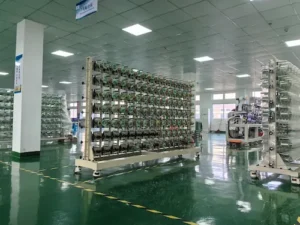
Yulian is a direct manufacturer of flat flexible cables (FFC), delivering precision wiring solutions trusted by global OEMs. With in-house tooling, rapid prototyping, and full customization capabilities, we help you go from concept to cable—fast, reliable, and to your spec.
We offer pitch options from 0.4mm to 1.25mm and core counts up to 96, with full support for folding, shielding, notching, punching, labeling, and custom assembly.
What is an FFC cable, and why is it used in energy storage systems?
FFC (Flexible Flat Cable) is a thin, ribbon-like cable that transmits signals or power between PCB modules. In energy storage systems, it’s favored for its space efficiency, consistent electrical performance, and ability to handle high pin counts in compact battery packs.
What are the common applications of FFC cables in BMS?
FFC cables are typically used for cell voltage sensing (cell taps), temperature sensor links, communication lines (CAN, UART), and modular stack connections. They simplify routing and improve signal reliability across the battery management system.
Can FFC cables handle high-current applications in battery systems?
Standard FFCs are best suited for signal and low-power transmission. However, we offer customized high-current FFCs with wide conductors or parallel traces to meet specific amperage needs in BMS control circuits.
How are FFC cables customized for energy storage use?
Customization includes pitch size (0.5mm to 1.0mm), conductor count (up to 96), fold positions, shielding types (foil, mesh), termination style (ZIF, soldered), and heat resistance. We tailor each design to your layout and electrical requirements.
What makes FFC cables more reliable than round wires in ESS or EV battery packs?
FFCs offer consistent conductor spacing and controlled impedance, reducing signal interference. Their flat form prevents cable clutter, allows for uniform heat dissipation, and enables clean stacking—ideal for layered battery modules.
Are FFC cables resistant to vibration and thermal cycling in mobile energy systems?
Yes. We test our energy storage FFCs for durability in vibration-rich environments and temperature swings typical in EV and outdoor ESS applications. Options include reinforced edges, shielding, and high-flex materials.
What certifications or standards do your energy storage FFCs meet?
Our FFC cables comply with UL certifications, RoHS/REACH directives, and ISO 9001 quality systems. For automotive-grade or EV battery use, we can provide materials and traceability documentation on request.
What is the lead time for custom energy storage FFC cables?
For standard customizations, sampling can be done in 5–7 business days. Mass production lead time is typically 2–3 weeks, depending on complexity. We support rapid development cycles for pilot and production builds.