
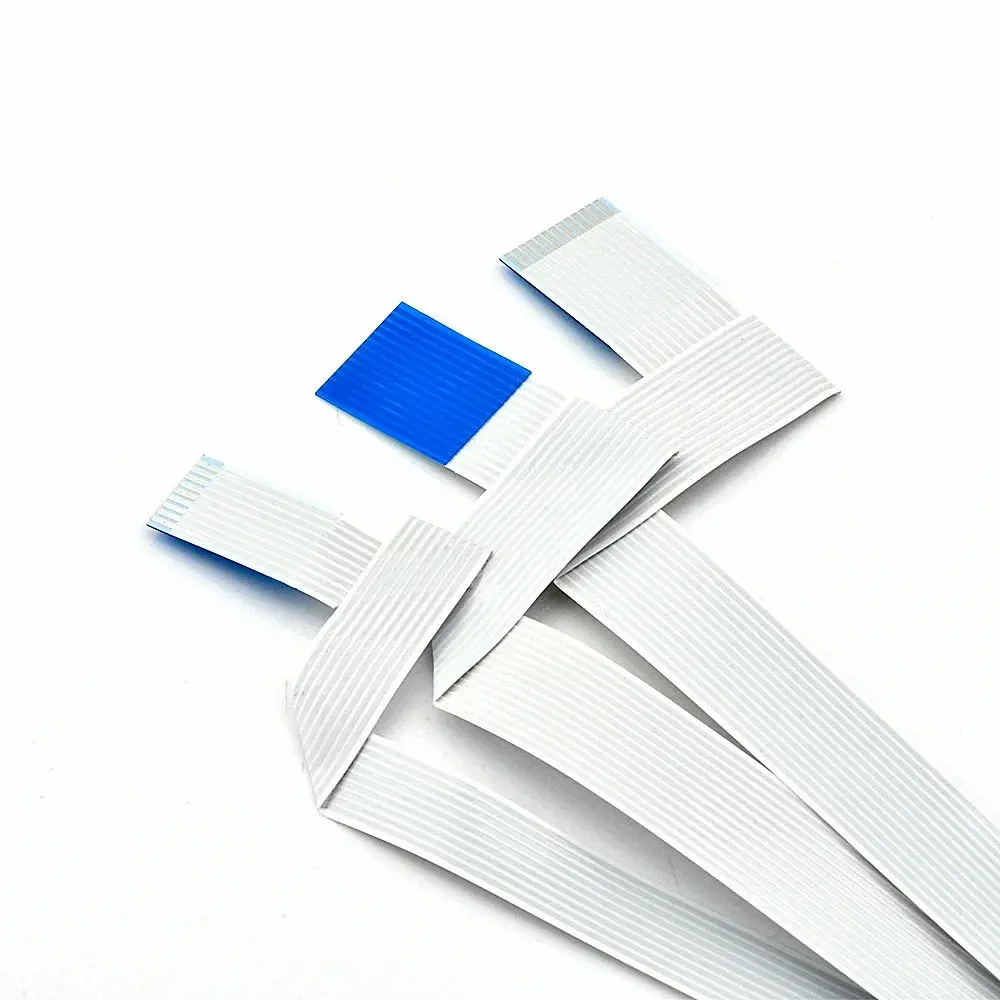
You often see FFC cable failure modes such as cracked conductors, delamination, abrasion, connector issues, insulation wear, improper installation, overheating, moisture ingress, and environmental degradation. Each failure mode can result from manufacturing defects or material degradation. You can prevent failure by following best practices: use careful installation, select cables with robust insulation, avoid extreme heat or moisture, and choose reliable cable assembly manufacturing. YLS uses rigorous testing to address these challenges and deliver high-quality solutions.
Key Takeaways
FFC cable failures can disrupt device performance. Understanding common issues like cracked conductors and insulation wear helps maintain reliability.
Prevent failures by selecting high-quality cables with robust insulation. This choice protects against heat, moisture, and environmental damage.
Proper installation is crucial. Handle cables gently, avoid sharp bends, and ensure secure connections to reduce the risk of electrical failure.
Regular inspections catch early signs of wear. Schedule maintenance to check for insulation damage and connector issues to prolong cable life.
Choose YLS FFC cables for advanced designs and rigorous testing. These cables are built to withstand harsh conditions and ensure reliable performance.
Why FFC Cable Failure Modes Matter
Impact on Performance and Reliability
You depend on flexible flat cables for consistent electrical connections in your devices. When you encounter ffc cable failure modes, you risk losing electrical reliability and signal integrity. Each electrical cable failure can disrupt the flow of data or power, causing your device to malfunction or stop working. You see connector issues, cracked conductors, or delamination, and these problems affect contact reliability. High-speed signals need stable impedance and low crosstalk, so any electrical cable failure can degrade performance. If you use cables in environments with vibration, you need latching connectors and strain relief to prevent mechanical failure. Thermal and environmental factors, such as heat or moisture, can damage insulation and reduce electrical reliability. You must understand these failure modes to maintain device performance and avoid unexpected downtime.
Tip: Always check connector quality and cable insulation before installation. This helps you prevent electrical cable failure and ensures reliable operation.
Cost and Safety Implications
You face higher costs when electrical cable failure occurs. You may need to replace damaged cables, repair devices, or halt production. Safety risks increase if insulation wear or overheating leads to electrical shorts or sparks. Moisture ingress can cause corrosion, which threatens both electrical performance and user safety. You protect your investment and reduce maintenance costs by preventing failure modes. Reliable cables help you avoid costly recalls and ensure compliance with industry standards.
YLS commits to delivering high-quality flexible flat cable solutions. You benefit from advanced manufacturing, rigorous testing, and materials that withstand harsh environments. YLS helps you minimize electrical cable failure and maximize device reliability.
Common Causes of Electrical Cable Failure in FFCs
You encounter several common causes of electrical cable failure in flexible flat cables. Understanding these failure modes helps you prevent cable problems and maintain reliable electrical connections. Below, you will find the most frequent cable problems and practical ways to address them.
Cracked Conductors and Fatigue
Repeated bending and flexing cause cracked conductors and fatigue in FFC cables. You often see this in devices with moving parts, such as robotic arms or laptop hinges. Conductors break when they experience strain at the edges or when the cable bends sharply. You can identify these failures by using continuity tests. If you notice open readings or fluctuating values while gently touching the cable ends, you likely have cracked conductors or weak contacts.
Cracked conductors develop from:
Frequent flexing in dynamic applications.
Poor conductor placement, especially at cable edges.
Insufficient thickness of copper wires.
Preventive measures:
Place ground wires in the neutral bending axis to reduce strain.
Use thicker copper for ground conductors.
Distribute bending stress with ground straps.
Choose YLS FFC cables with flexible design and robust conductor placement. YLS cables endure high flex cycles and minimize fatigue.
Note: Medical endoscope cables with ground straps can survive up to 1 million flex cycles, while cables without straps may fail after 200,000 cycles.
Insulation Wear and Delamination
Insulation protects the conductors from electrical shorts and environmental damage. Insulation wear and delamination occur when the protective layer peels away or cracks. You see this problem in cables exposed to heat, moisture, or repeated flexing. Delamination leads to exposed conductors, increasing the risk of electrical cable failure.
Insulation wear and delamination result from:
Excessive heat or moisture exposure.
Mechanical stress during installation or operation.
Poor-quality insulation materials.
Preventive measures:
Select cables with high-quality insulation that resists heat and moisture.
Avoid sharp bends and excessive force during installation.
Use YLS FFC cables with advanced insulation materials and rigorous testing. YLS cables maintain integrity under harsh conditions.
Tip: Always inspect insulation for signs of wear before installation. Reliable insulation prevents electrical shorts and extends cable life.
Abrasion and Physical Damage
Abrasion and physical damage happen when cables rub against rough surfaces or sharp edges. You may see nicks, cuts, or worn spots, especially near termination areas. Thin copper traces are vulnerable to abrasion, which can lead to electrical cable failure and signal loss.
Abrasion and physical damage occur due to:
Improper routing near moving parts or sharp edges.
Lack of protective coatings or shielding.
Rough handling during installation.
Preventive measures:
Use heat shrink tubing or shielding around termination areas.
Apply protective coatings to thin copper traces.
Route cables away from abrasive surfaces.
Choose YLS FFC cables with reinforced insulation and optional shielding. YLS cables offer extra protection for demanding environments.
Callout: Shielded FFC cables from YLS help prevent abrasion and maintain signal integrity in automotive and industrial applications.
Connector and Termination Issues
Connector and termination issues are a leading cause of cable problems. Poor crimping, missing hardware, or lack of strain relief can cause loose connections and electrical failure. You may experience intermittent faults, short circuits, or contact retention failures.
Connector and termination issues stem from:
Incorrect crimping techniques.
No strain relief at cable ends.
Poor wire harness layout.
Missing terminal connectors.
Loose contacts disrupting current flow.
Preventive measures:
Use proper crimping tools and techniques.
Ensure strain relief at all cable ends.
Design wire harnesses for secure connections.
Choose YLS FFC cables with compatible connectors and reliable termination options. YLS offers ZIF cables for easy, secure connections and display cables with reinforced contacts.
Tip: Always check connector retention and strain relief before final assembly. Secure terminations prevent electrical cable failure and improve reliability.
You can prevent most FFC cable failure modes by selecting cables with robust insulation, flexible design, and reliable connectors. YLS provides solutions for each common cause of electrical cable failure, helping you avoid cable problems and maintain safe, efficient devices.
Preventing FFC Cable Failure Modes
You can prevent most ffc cable failure modes by focusing on proper installation, environmental protection, and choosing the right cable assemblies. Each step helps you avoid electrical cable failure and maintain reliable performance in your devices.
Proper Installation and Handling
You must follow proper installation practices to reduce the risk of electrical cable failure. Careful handling and correct installation protect cable assemblies from mechanical stress and damage. You should avoid sharp bends and excessive force during installation. Always use the right tools and techniques for cable assemblies.
Installation Tips:
Handle cable assemblies gently to prevent conductor cracks.
Avoid routing cables near moving parts or sharp edges.
Use strain relief at cable ends to protect against mechanical failure.
Secure connectors firmly to prevent loose contacts.
Follow manufacturer guidelines for installation and maintenance.
Inspect cable assemblies before and after installation for signs of wear.
Use heat shrink tubing or protective coatings at termination points.
Maintain proper installation by checking connector retention.
Schedule regular inspection to catch early signs of electrical cable failure.
Choose cable assemblies with flexible designs for dynamic applications.
Tip: You can extend cable life by avoiding repeated flexing and ensuring cables are not pinched or twisted during installation.
Environmental Protection and Insulation
You protect cable assemblies from environmental hazards by selecting the right insulation and applying safeguards. Insulation acts as a barrier against heat, moisture, chemicals, and UV radiation. Material selection is critical for preventing insulation degradation and electrical cable failure.
Environmental Protection Measures:
Choose cable assemblies with jackets made from thermoplastics like PVC, XLPE, or PTFE. These materials shield conductors and provide electrical insulation.
Select polyurethane jackets for flame retardancy, resistance to industrial fluids, and superior abrasion resistance.
Match the insulation material to the temperature rating required for your application. PVC handles up to 105°C, PTFE and FEP up to 200°C.
Protect cable assemblies from sun and UV exposure to prevent insulation degradation.
Use mechanical safeguards such as protective tubing and shielding for harsh environments.
Test cable assemblies for resistance to chemicals and moisture.
Comply with IPC-620 standards for cable assemblies to ensure quality insulation and electrical reliability.
Prototype and test cable assemblies in real-world conditions before deployment.
Schedule maintenance to check insulation integrity and prevent electrical cable failure.
Inspect cable assemblies regularly for signs of insulation wear or delamination.
Note: Insulation quality determines how well cable assemblies resist environmental stress. You should always choose materials that match your device’s requirements.
Choosing the Right YLS FFC Cable
You prevent electrical cable failure by selecting cable assemblies that fit your application. YLS offers advanced designs and customization to address common failure modes. You can choose from flexible flat cable, display cable, shielded-cable, high-speed-cable, and Zif cable.
Key Factors for Selection:
Match the current rating of cable assemblies to your device’s needs. Most FFCs for displays handle 0.5A to 1.0A per contact.
Check the temperature range. Standard cable assemblies operate from -65°C to 260°C.
Choose cable assemblies with proven durability. YLS cables withstand extreme temperatures and repeated flexing.
Select cable assemblies with high flex life for robotics and consumer electronics.
Use shielded-cable assemblies for environments with high EMI or noise.
Pick display cable assemblies with stable impedance for high-speed data transmission.
Choose Zif cable assemblies for easy, secure connections in compact devices.
Inspect cable assemblies for quality before installation.
Request custom cable assemblies from YLS to match your exact specifications.
Rely on YLS cable assemblies for advanced materials, rigorous testing, and reliable performance.
Callout: YLS cable assemblies feature high-performance materials like polyimide, which improve moisture resistance and thermal stability. You benefit from advanced design features that ensure proper contact alignment and reliable signal transmission.
Prevention Strategies Table
Failure Mode | Prevention Strategy |
|---|---|
Cracked Conductors | Use flexible designs, avoid sharp bends, and handle cable assemblies gently. |
Insulation Wear/Delamination | Select high-quality insulation, protect from heat/moisture, and schedule regular inspection. |
Abrasion/Physical Damage | Apply protective coatings, use shielding, and route cable assemblies away from rough surfaces. |
Connector Issues | Secure connectors, use strain relief, and follow proper installation practices. |
Overheating | Match insulation material to temperature rating and avoid excessive current loads. |
Moisture Ingress | Use watertight jackets and test cable assemblies for moisture resistance. |
Environmental Degradation | Choose cable assemblies with UV-resistant insulation and schedule maintenance checks. |
You can prevent electrical cable failure by pairing each failure mode with the right prevention strategy. Regular inspection and maintenance keep cable assemblies reliable.
Insulation and Environmental Degradation
Effects of Heat and Moisture
You face many challenges when protecting FFC cables from environmental factors. Heat and moisture are two of the most common causes of insulation problems. When insulation absorbs moisture, it can swell and lose dielectric strength. This weakens the cable and increases the risk of electrical failure. High temperatures make things worse by speeding up how quickly moisture gets inside the insulation. You may also see thermal stress from temperature changes, which can cause microcracks and lead to cable insulation degradation. These cracks allow moisture to reach the conductors, causing shorts or corrosion.
Common environmental factors that cause degradation:
Temperature extremes can make insulation expand or contract, reducing electrical reliability.
Moisture and humidity may cause corrosion and lower the performance of your cables.
Vibration and mechanical stress can loosen connections and damage insulation.
To prevent these ffc cable failure modes, you should use cables with high-quality insulation. YLS uses advanced materials that resist heat, moisture, and thermal stress. You also benefit from cables that meet strict industry standards, which helps you avoid electrical problems in harsh environments.
Long-Term Aging and Protection
Over time, insulation faces many aging mechanisms that can lead to cable insulation degradation. You need to understand these processes to keep your cables working for years. The table below shows the main aging mechanisms and their effects:
Aging Mechanism | Description |
|---|---|
Thermal Oxidation | Heat and oxygen cause chemical changes, making insulation weaker and less flexible. |
UV Radiation | Sunlight can crack the surface and reduce mechanical strength. |
Mechanical Stress | Bending and pulling create micro-cracks, letting moisture in and causing electrical issues. |
Electrical Stress | High voltage can create heat and erode the insulation, leading to breakdowns. |
You can protect your cables by choosing materials that resist these aging factors. Look for insulation with added stabilizers and advanced manufacturing methods. YLS uses these techniques to make sure your cables last longer and resist degradation. Regular inspection and maintenance also help you spot aging insulation before it causes electrical failure.
Tip: Always select FFC cables with insulation rated for your environment. This simple step helps you avoid long-term problems and keeps your devices safe.
You face ffc cable failure modes such as cracked conductors, insulation wear, abrasion, connector issues, overheating, moisture ingress, and environmental degradation. You prevent these by using flexible designs, high-quality insulation, protective coatings, secure connectors, and regular inspections.
Benefit | Description |
|---|---|
Tailored solutions can include specific shielding and improved grounding for optimal performance. | |
Improved Signal Integrity | High-quality connectors ensure smooth transitions, reducing signal degradation. |
Compliance with Industry Standards | All materials meet major compliance standards, ensuring reliability and safety. |
You improve reliability by consulting YLS early in your design process.
YLS provides clear specifications and ongoing technical support.
You receive cables that perform optimally and last longer.
Reach out to YLS for expert advice and reliable FFC solutions tailored to your needs.
FAQ
What are the most common FFC cable failure modes?
Cracked conductors
Insulation wear
Delamination
Abrasion
Connector issues
Overheating
Moisture ingress
Environmental degradation
You see these problems most often in devices with frequent movement or harsh environments.
How can you prevent FFC cable failures?
Use flexible designs
Select high-quality insulation
Apply protective coatings
Secure connectors
Avoid sharp bends
Schedule regular inspections
You protect your cables by matching each failure mode with the right prevention strategy.
Why does insulation quality matter for FFC cables?
Insulation shields conductors from heat, moisture, and chemicals. You improve cable reliability and safety by choosing cables with advanced insulation materials.
What should you check before installing an FFC cable?
You should inspect for cracks, worn insulation, loose connectors, and signs of moisture. You ensure reliable performance by checking these areas before installation.
How does YLS help you address FFC cable failure modes?
YLS offers cables with robust insulation, flexible designs, and reliable connectors. You benefit from advanced materials and rigorous testing that help prevent common failure modes.
