
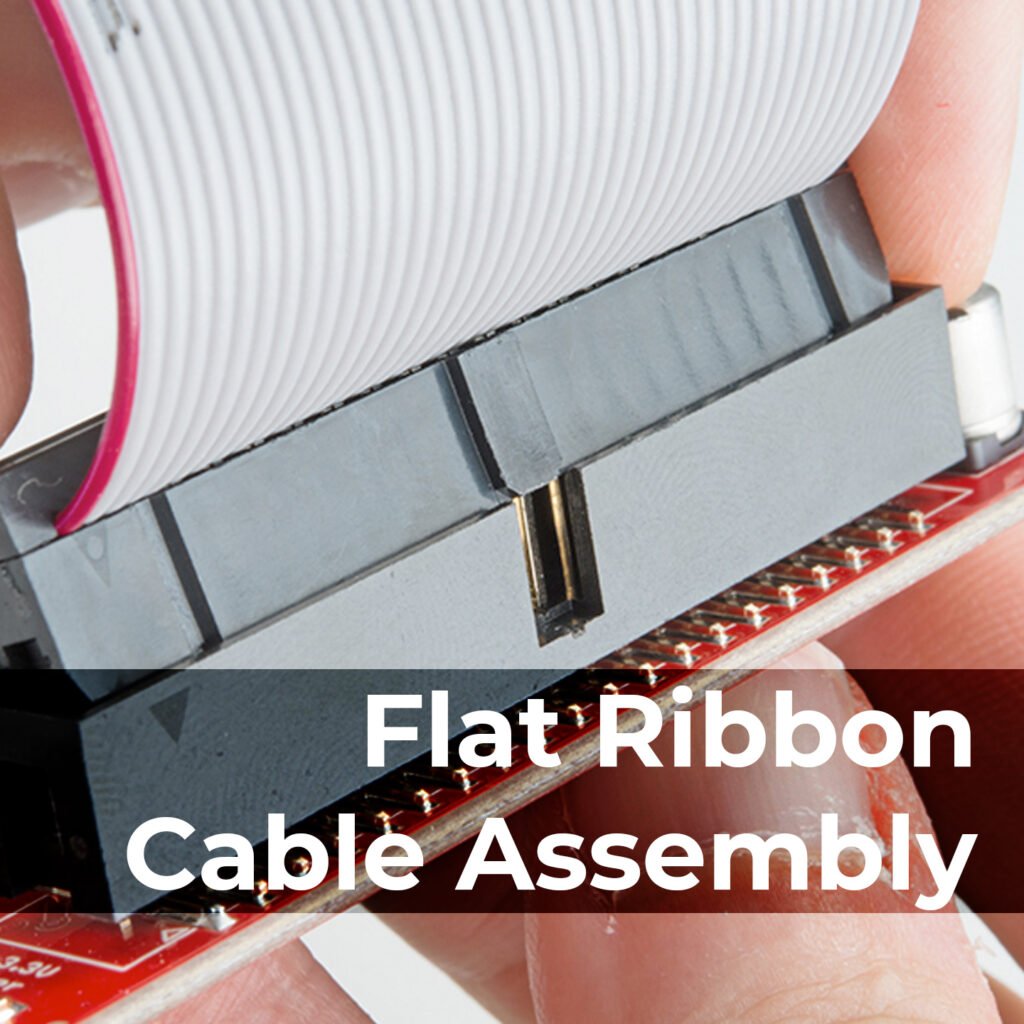
You test shielding effectiveness in real products by following industry standards for electromagnetic compatibility. Accurate testing helps you ensure reliable performance and compliance with regulations. Enhanced shielding becomes crucial when you use FFC ribbon cables in high-speed or sensitive signal applications. Unique challenges arise because these cables often operate in environments where electromagnetic interference can distort signals. You benefit from practical methods and expert solutions that address these issues.
Main Piont
Testing shielding effectiveness is crucial for ensuring reliable performance of FFC ribbon cables in real-world conditions.
Use industry standards to guide your testing methods, ensuring compliance and effective electromagnetic interference control.
Implement practical tips, like sealing connections and using reference cables, to enhance measurement accuracy and prevent RF leakage.
Consult with experts for tailored solutions and support, ensuring your ribbon cable meets specific application needs.
Choose high-quality connectors to maintain shielding effectiveness and protect signal integrity in your electronic devices.
Shielding Effectiveness in FFC Ribbon Cable Testing
Direct Testing Approaches
You need to understand why shielding effectiveness matters when you use an FFC ribbon cable in modern electronics. Shielding effectiveness protects your devices from electromagnetic interference and radio frequency interference. This protection is critical because many electronic products operate in environments filled with noise from other devices. If you do not test shielding effectiveness, your ribbon cable may allow unwanted signals to disrupt data or cause errors.
Tip: Thin metallic coatings like gold or tin are often applied to FFC ribbon cables. These coatings help block EMI and keep your signals clear.
Testing for shielding effectiveness follows international standards. Organizations such as the IEC, FCC, and CISPR set rules for how you should measure and report results. These standards ensure your ribbon cable meets global requirements for EMI control. You can see the benefits of different shielding types in the table below:
Shielding Type | Benefit |
|---|---|
Metal Foil | Protects signals from EMI |
Braided Wire | Enhances reliability and longevity |
YLS Shielded-cable solutions use advanced shielding formats. You can choose from single-sided foil, double-sided foil, or braided copper mesh. These options help you meet strict EMI requirements in real products.
Real-World Challenges
You face several challenges when testing the shielding effectiveness of an FFC ribbon cable in real-world conditions. Ribbon cable designs use parallel conductors, which can act as antennas and pick up unwanted signals. High-frequency environments make this problem worse, leading to crosstalk and data loss.
Electromagnetic interference can disrupt signal integrity and damage components.
Moisture and oxidation can reduce the lifespan of your ribbon cable.
Testing under simulated conditions helps you confirm that your cable will perform well in harsh environments.
YLS Shielded-cable products address these issues with custom shielding structures, grounding layouts, and careful material selection. You can rely on these features to maintain signal quality and meet the demands of automotive, medical, and industrial applications.
Testing Methods for Ribbon Cable Shielding
Tri-axial Fixture Method
You need to use reliable methods to measure how well a ribbon cable blocks unwanted signals. The tri-axial fixture method stands out as a trusted approach for evaluating shielding effectiveness. This method helps you understand how much electromagnetic energy passes through the shield of your ffc ribbon cable. You follow a series of steps to ensure accurate results:
Connect a semi-rigid calibration cable inside the leakage cell to the internal matched termination.
Solder all connections for calibration to remove any leakage.
Attach the input side of the leakage cell to port one of the analyzer, and connect the output side with another test cable.
Measure the insertion loss across the sweep band.
Store the calibration data in the analyzer once you reach the required value.
Disconnect the calibration samples from the cell.
Remove the coaxial cable and insert your test sample, such as a shielded ffc ribbon cable, between the calibration cable connections.
Reconnect the test cell and measure the insertion loss again, adjusting connections to avoid false leakage signals.
Move the short circuit rod inside the leakage cell to cover at least half a wavelength at the test frequency.
You use this method because it gives you precise control over the test environment. It also allows you to measure important metrics like insertion loss, surface transfer impedance, and shielding attenuation. These metrics help you judge how well your ribbon cable protects against emi and maintains signal integrity.
Mode-Stirred Chamber Method
You may need to test your ribbon cable in a more dynamic environment. The mode-stirred chamber method offers a way to simulate real-world electromagnetic conditions. In this method, you place your ffc ribbon cable inside a special chamber with a rotating metallic stirrer. The stirrer changes the electromagnetic boundary conditions inside the chamber. This process shifts the resonance frequencies and creates a wide range of electromagnetic fields.
You measure the field strength at different stirrer positions. This approach gives you a smooth average spectrum across the frequency range you want to test. You choose this method when you need to see how your ribbon cable performs under varying and unpredictable emi conditions. It is especially useful for products that must meet strict compliance standards in automotive, medical, or industrial settings.
Comparing Methods and Frequency Ranges
You should compare different testing methods to find the best fit for your application. Each method covers specific frequency ranges and offers unique insights into ribbon cable performance. The table below shows typical frequency ranges for major shielding effectiveness tests:
Testing Method | Frequency Range |
|---|---|
MIL-STD-1377 | 100 kHz to 30 MHz |
1000 MHz to 10 GHz | |
Up to 40 GHz (when applicable) |
You see that the tri-axial fixture method works well for lower to mid-frequency ranges. The mode-stirred chamber method covers a broader spectrum and helps you evaluate performance in complex environments.
You need to remember that test results can change based on how you install the ribbon cable and the environment where you use it. Installation differences and environmental factors can affect real-world performance. Field testing remains important for validating shield effectiveness in actual conditions. You should use comprehensive methods to predict how your ffc ribbon cable will perform once installed in your product.
You rely on metrics like insertion loss, surface transfer impedance, and shielding attenuation to evaluate shielding effectiveness. These measurements help you choose the right YLS Shielded-cable for your needs and ensure your product meets industry standards.
Tip: Always consider both laboratory and field test results when you select a ribbon cable for critical applications. This approach helps you avoid surprises and ensures reliable emi protection.
Practical Measurement Tips for YLS Shielded-cable
Preventing RF Leakage
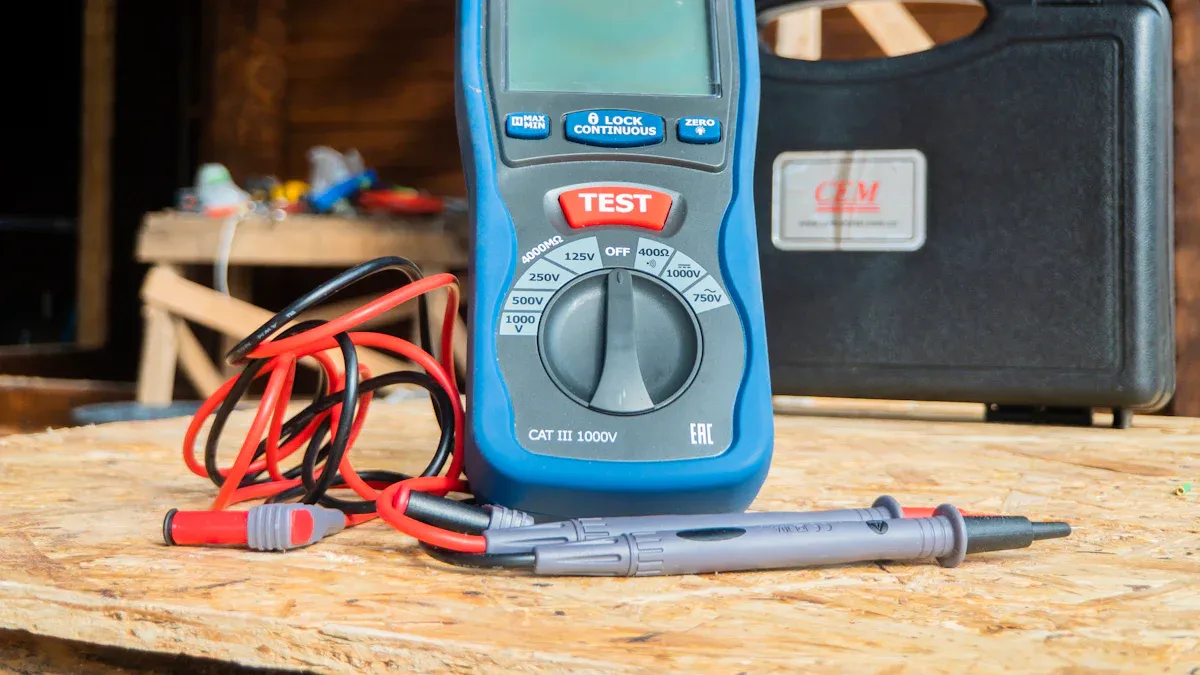
You need to prevent radio frequency leakage when you test a ribbon cable. RF leakage can distort your results and hide real performance issues. You should seal all test connections tightly. Use conductive tape or clamps to block gaps around the ffc ribbon cable. YLS Shielded-cable products offer custom shielding formats that help you enhance shielding and reduce leakage. You can request extra layers or special grounding features for your cable. This step ensures you measure true signal integrity.
Tip: Always inspect your test setup for loose connectors or exposed conductors. Small gaps can let unwanted signals escape.
Using Reference Cables
You should use reference cables in your measurement process. Reference cables help you compare the performance of your ribbon cable against a known standard. You select a reference cable with similar specs but without shielding. This comparison shows you how much protection your ffc ribbon cable provides. YLS offers customizable options, so you can match your reference cable to your test sample. This method helps you spot any improvement in signal quality.
Test Item | Reference Cable | Shielded FFC Ribbon Cable |
|---|---|---|
Signal Loss | Higher | Lower |
EMI Susceptibility | High | Low |
Expert Involvement
You benefit from expert involvement during measurement. Skilled technicians know how to set up tests and interpret results. You can consult YLS engineers for guidance. They help you choose the right ribbon cable and test method. Experts can recommend custom shielding or connector solutions for your application. Their advice ensures you meet industry standards and avoid common mistakes.
Note: YLS provides support for OEM and ODM projects. You can request technical help for complex measurement needs.
Connector Material Selection
You must select the right connector material for your ribbon cable. Connector quality affects shielding effectiveness. You choose connectors with metal housings or gold-plated contacts. These materials block EMI and maintain signal integrity. YLS offers a range of connector options to match your cable design. You can customize the connector to fit your product and testing requirements.
Tip: Ask for connectors with reinforced locking features. This prevents accidental disconnection during measurement.
You follow these practical tips to ensure accurate measurement of your ffc ribbon cable. You improve reliability and performance in real products by using YLS Shielded-cable solutions.
You improve product reliability when you test shielding effectiveness in your ribbon cable using proven methods.
You select the right approach because each ribbon cable faces unique EMI challenges.
You follow practical tips to prevent errors and ensure accurate results.
You gain extra value from YLS Shielded-cable solutions, which offer customization and expert support.
Reach out to YLS for guidance on complex ribbon cable testing. You discover more by visiting ylscable.com.
FAQ
Why should you test shielding effectiveness in real products?
You need to test shielding effectiveness to ensure your FFC ribbon cable works reliably in its actual environment. Real-world conditions often introduce unexpected electromagnetic interference. Testing helps you confirm that your cable meets performance and safety requirements.
Why do FFC ribbon cables require special shielding methods?
You use FFC ribbon cables in compact devices where space is limited. Their flat design can make them more vulnerable to electromagnetic noise. Special shielding methods help you maintain signal integrity and prevent data loss in these sensitive applications.
Why do industry standards for emc testing matter for FFC ribbon cables?
You follow industry standards for emc testing to guarantee your ribbon cable meets global compliance rules. These standards help you avoid regulatory issues and ensure your product performs well in different markets.
Why does connector choice affect shielding effectiveness?
You select the right connector because poor-quality connectors can let electromagnetic interference enter your system. Good connectors with proper shielding help you maintain the cable’s protective barrier and keep your signals clean.
Why should you involve experts when testing FFC ribbon cable shielding?
You involve experts because they understand complex test setups and can spot hidden issues. Their experience helps you choose the best methods and materials, ensuring your cable meets strict industry requirements.
