
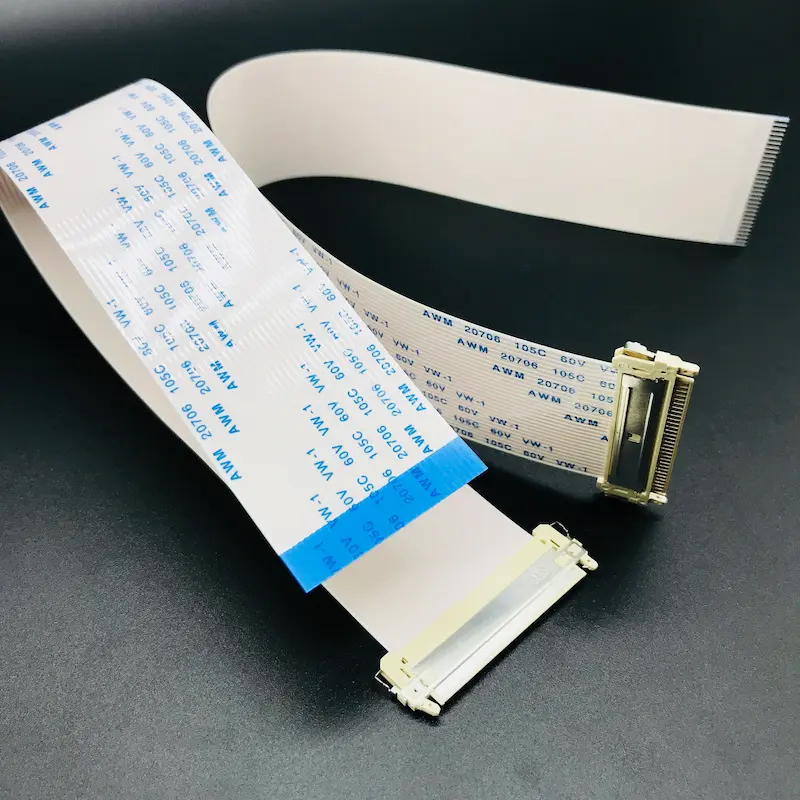
You need export-ready ffc cables to ship products worldwide. Global compliance shapes how flexible cables enter markets like the European Union and North America. Meeting standards such as ul, IPC, RoHS, and REACH increases product reliability and reduces recall risks. You protect your brand when you prioritize integrity in documentation and manufacturing. FFC solutions from trusted manufacturers help you avoid costly mistakes and support long-term success.
Key Takeaways
Export-ready FFC cables must meet compliance standards like UL, IPC, RoHS, and REACH to ensure safety and reliability in global markets.
Prioritize integrity in documentation and manufacturing to avoid delays and recalls, protecting your brand’s reputation.
Use a compliance checklist to verify that your flexible cables meet all necessary standards before exporting.
Choose trusted manufacturers like YLS for reliable products and transparent documentation, enhancing your export success.
Regularly audit your compliance process to maintain high standards and ensure ongoing reliability in your flexible cable applications.
What Makes Export-Ready FFC Cables
Key Compliance Standards
You need export-ready ffc cables when you want to ship products across borders. These cables must meet strict compliance standards to ensure safety, reliability, and performance in global markets. YLS flexible flat cable and high-speed-cable serve as examples of products designed for diverse applications, including automotive, medical devices, robotics, and IoT systems. You can see how these cables deliver flexibility and signal integrity for high-speed data transmission and compact designs.
The table below shows the most critical compliance standards for flexible flat cables:
Compliance Standard | Description |
|---|---|
UL (Underwriters Laboratories) | Ensures cables meet rigorous safety testing standards for fire resistance, voltage rating, and material integrity. |
CE Marking | Indicates conformity with health, safety, and environmental protection standards within the European Economic Area (EEA). |
RoHS (Restriction of Hazardous Substances) | Confirms that cables are free from lead, mercury, cadmium, and other harmful substances, making them environmentally safe and compliant with EU directives. |
ISO 9001 | Reflects a manufacturer’s commitment to quality management systems, ensuring consistent production and traceability. |
NEMA (National Electrical Manufacturers Association) | Sets performance benchmarks for electrical equipment in the U.S., including cable insulation, temperature ratings, and installation guidelines. |
IEC Standards | International Electrotechnical Commission standards (e.g., IEC 60502 for power cables) are globally recognized benchmarks for cable design and testing. |
You must check these standards before you export flexible flat cables. Meeting UL, RoHS, and REACH requirements is essential for flexible cable certification and export eligibility. These certifications help you access markets with strict regulations and support applications that demand high performance and reliability.
The Role of Integrity in Export
Integrity matters when you handle compliance and documentation for international shipments. You must keep accurate records and verify every certification for flexible flat cables. If you ignore integrity, you risk delays, recalls, or even bans in key markets. Reliable manufacturers like YLS build trust by providing transparent documentation and consistent quality for flexible applications.
REACH compliance is essential for selling electronic parts in the EU, directly affecting export eligibility.
RoHS compliance is mandatory for manufacturers, ensuring that products meet environmental standards for export.
Compliance with REACH and RoHS can facilitate access to other markets with similar regulations.
You protect your business when you prioritize integrity and reliability. Flexible flat cables and flexible printed circuits must meet strict standards to support signal performance and flexibility in demanding applications. You gain confidence in your products when you choose cables with proven certification and robust documentation.
Overview of UL, IPC, RoHS, and REACH for Flexible Flat Cables
UL Certification for Flexible Cables
You need UL certification when you want your flexible flat cables to enter the North American market. UL focuses on safety and performance, making sure your ffc meets strict requirements for electrical safety, flame resistance, and thermal performance. You see UL2651 certification guarantee that your cable will not spread flames easily and can handle its rated voltage. This certification helps you pass inspections and comply with the National Electrical Code. You can trust UL to support reliability and integrity in your export process.
Testing Method | Purpose |
|---|---|
Torsional Tester | Checks performance against twisting forces in automation and robotic applications. |
Tick-Tock Tester | Assesses resistance to dynamic flexing and bending stresses. |
Tensile Tester | Measures maximum force a cable can withstand. |
Abrasion Tester | Tests durability against abrasive forces. |
Insulation Resistance | Ensures insulation effectiveness against leakage and faults. |
Continuity Tester | Checks for uninterrupted signal transmission. |
High Voltage Tester | Assesses ability to withstand high voltage levels. |
Temperature Chamber | Evaluates performance under extreme heat or cold. |
Humidity Chamber | Simulates high-humidity environments. |
Salt Spray Chamber | Tests corrosion resistance. |
UV Chamber | Evaluates effects of sunlight exposure. |
IPC Standards and Quality
You rely on IPC standards to guide the manufacturing of flexible flat cables and flexible printed circuits. IPC sets benchmarks for quality and performance, helping you achieve signal integrity and reliability in demanding applications. IPC-2223 gives you design rules for bend radius and stress relief, which are important for flexibility and durability. You use IPC guidelines to ensure your ffc meets the needs of high-speed applications in robotics, automotive, and IoT systems.
IPC Standard | Description |
|---|---|
IPC Standards and Guidelines for Testing Flex PCBs | Ensures reliable boards and circuits. |
IPC-2223 | Provides design rules for rigid-flex structures and stress relief. |
RoHS and REACH Compliance
You must meet RoHS and REACH compliance when you export flexible flat cables to the EU and other regulated markets. RoHS restricts hazardous substances like lead, mercury, and cadmium, making your cable safer for the environment. REACH addresses chemical safety, helping you avoid harmful flame retardants such as PBB and PBDE. You protect the environment and support sustainability when you follow these directives. RoHS and REACH compliance also improves market access and builds trust in your applications.
Substance Type | Substances Restricted |
|---|---|
Heavy Metals | Lead (Pb), Mercury (Hg), Cadmium (Cd) |
Flame Retardants | PBB, PBDE |
Tip: You improve reliability and signal integrity when you choose flexible flat cables that meet UL, IPC, RoHS, and REACH standards. These certifications support performance and flexibility in high-speed applications across industries.
Certification Requirements for YLS Flexible Flat Cable
UL and IPC for Flexible Flat Cable Integrity
You need to understand the requirements for export-ready ffc cables when you plan to ship products globally. UL certification gives you confidence that your flexible flat cables meet strict safety standards. You see UL testing cover fire resistance, voltage rating, and material integrity. This certification helps you pass inspections and supports your export goals.
You rely on IPC standards to maintain quality and performance in flexible flat cables. IPC standards guide the design and manufacturing of ffc for high-speed and IoT applications. You use IPC-6013 to check performance, testing, plating, and quality for flexible printed circuits. IPC-2223 helps you avoid design errors and supports flexibility in compact devices. IPC-6010 sets foundational rules for all printed boards, ensuring reliability and signal integrity.
IPC Standard | What It Covers | Why It Matters |
|---|---|---|
IPC-6013 | Performance, testing, plating, and quality for flex PCBs | Ensures functionality and durability of the board |
IPC-2223 | Design rules for flex and rigid-flex PCBs | Helps prevent design errors |
IPC-6010 | General rules for all printed boards | Establishes foundational quality standards |
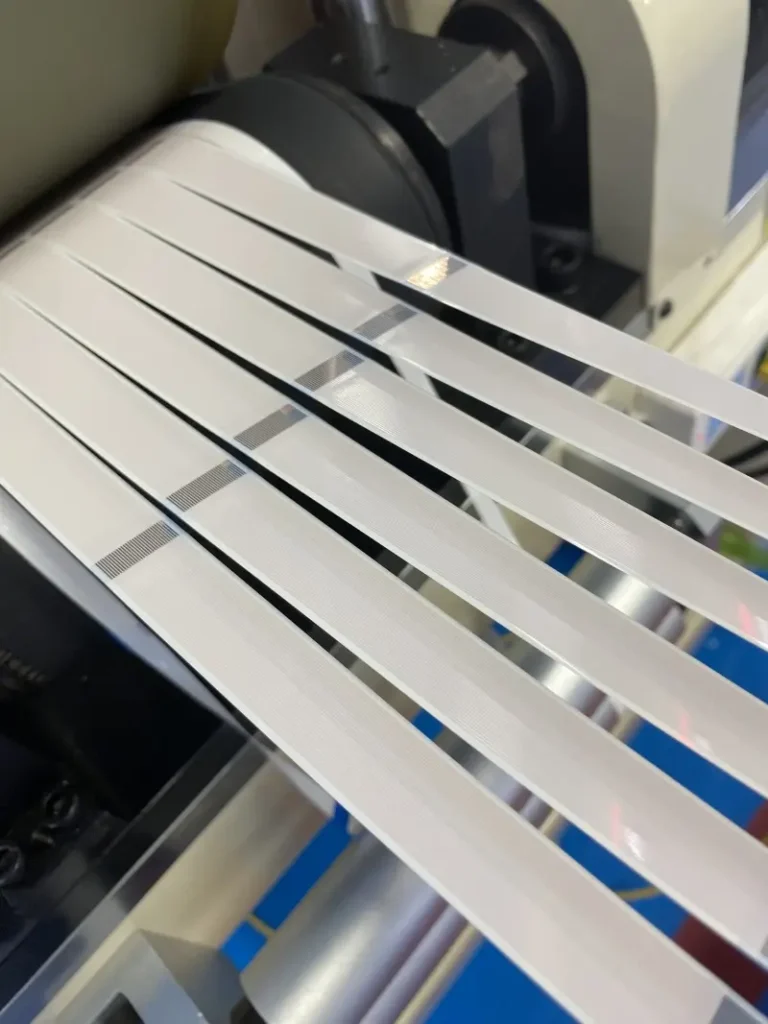
You benefit from YLS advanced manufacturing processes. YLS uses ISO/IATF certified manufacturing to meet international quality standards. Every cable undergoes 100% electrical QC before shipment. You get cables tested for electrical integrity, which supports reliability in demanding applications. YLS offers low minimum order quantities and fast turnaround, giving you flexibility for prototyping and production.
Manufacturing Process | Description |
|---|---|
ISO/IATF Certified Manufacturing | Ensures adherence to international quality standards. |
100% Electrical QC Before Shipment | Guarantees that every cable is tested for electrical integrity before delivery. |
Low MOQ, Fast Turnaround | Allows for flexibility in order sizes and quick delivery. |
10+ Years Across Key Industries | Demonstrates extensive experience in various sectors. |
You see YLS flexible flat cables support shielding and EMI control. Shielding protects signal integrity in sensitive environments. You can choose aluminum foil or mesh shielding, ground tail, or drain wire. Optional double-shielded designs are available for high-speed applications. Automated wire preparation ensures precision, and every cable is inspected for quality. You get high-quality cables with proper insulation and jacketing, which improves performance and reliability.
Note: You improve signal integrity and durability when you select flexible flat cables that meet UL and IPC standards. These certifications support performance in robotics, automotive, medical, and IoT applications.
RoHS and REACH for Flexible Flat Cable Safety
You must meet RoHS and REACH compliance to export flexible flat cables to regulated markets. RoHS restricts hazardous substances, making your cables safer for the environment. REACH addresses chemical safety, helping you avoid harmful materials in flexible applications. YLS flexible flat cables use halogen-free materials and maintain traceability with laser-etched serial coding. You can track every cable from production to delivery, which supports compliance and reliability.
Feature | Description |
|---|---|
Compliance | |
Traceability | Laser-etched serial coding for full production traceability |
Application | Safe, compact wiring for diagnostic and wearable devices |
You need proper documentation to demonstrate RoHS and REACH compliance. YLS provides full documentation for every cable. All materials used in YLS flexible flat cables meet major compliance standards. You can access certificates and reports that confirm safety and environmental responsibility.
YLS flexible flat cables are compliant with UL, RoHS, and REACH standards.
All materials used in the cables can meet major compliance standards, and full documentation is available.
You gain confidence in your export process when you choose flexible flat cables with proven certification and robust documentation. YLS supports your business with reliable products and transparent records. You protect your brand and improve performance in high-speed and compact applications.
Tip: You ensure ongoing compliance and reliability when you audit your documentation and verify supplier certifications. Flexible flat cables from YLS help you meet global standards and support signal integrity in critical applications.
Achieving and Documenting Compliance
Building a Compliance Checklist
You need a clear checklist to ensure your export-ready ffc cables meet all regulatory compliance requirements. Start by listing every standard your flexible cables must follow. Include UL, IPC, RoHS, and reach. Check that each ffc matches the correct pitch, conductor thickness, and end treatment for your applications. Review the documentation from your certification body to confirm accuracy. Always choose suppliers who provide verifiable certificates. Avoid substitutes that do not meet the unique thermal and voltage ratings required for high-speed or flexible printed circuits. This checklist helps you maintain integrity and reliability in every export.
Tip: A detailed checklist supports flexibility and performance in your flexible cable applications, especially in iot and high-speed environments.
Verifying Supplier Certifications
You must verify supplier certifications to protect the integrity and reliability of your flexible cables. Use these steps to confirm your supplier’s claims:
Physical inspection: Examine the ffc for defects in appearance, dimensions, and construction.
Electrical performance testing: Test continuity and resistance to ensure proper signal flow.
Capacitance measurement: Check capacitance to prevent signal distortion in high-speed applications.
Environmental testing: Assess performance under different conditions.
Material analysis: Confirm the quality of materials used in flexible cables.
Certification check: Make sure the supplier holds valid certifications from a recognized certification body.
These steps help you guarantee signal integrity and performance in demanding applications like automotive, medical, and consumer electronics.
Preparing Export Documentation
You need the right documents to prove compliance when exporting flexible cables. Customs authorities in major markets require specific paperwork for each standard. The table below shows what you need for each compliance requirement:
Compliance Requirement | Documentation Needed |
|---|---|
UL Compliance | Production certifications, documentation audits |
IPC Compliance | Testing protocols, evidence of in-house testing |
RoHS Compliance | Material traceability, material certifications |
REACH Compliance | Batch tracking, supplier documentation |
You should keep all records organized and up to date. This practice ensures smooth export and supports the reliability of your flexible cable applications. Proper documentation also demonstrates your commitment to regulatory compliance and product performance.
You see UL, IPC, RoHS, and REACH shape export-ready ffc cables for global markets. These standards support flexible cable performance, signal integrity, and reliability in high-speed and high-performance applications. You gain flexibility and durability and reliability when you choose ul-certified components for flexible printed circuits and ffc. You protect your brand and improve signal performance in iot and other applications.
Benefit | Explanation |
|---|---|
Enhanced product reliability | Compliance with standards ensures that products are safe for consumers and the environment. |
Reduced compliance risks | Adhering to regulations minimizes the risk of legal issues and penalties associated with non-compliance. |
Improved market access | Meeting international standards facilitates entry into various markets, particularly in the EU. |
Support for sustainability goals | Compliance with RoHS and REACH contributes to environmental sustainability and enhances brand reputation. |
You must prioritize integrity and proper documentation from your certification body. You improve export success when you choose a reliable manufacturer like YLS. You should audit your compliance process before export:
Ensure compliance with international quality standards.
Verify proven experience and market knowledge.
Assess production flexibility and manufacturing capacity.
Implement robust quality assurance.
Use environmentally friendly packaging.
Confirm reliable delivery timelines.
Evaluate product diversity and technical range.
You support performance and reliability in flexible cable applications when you follow these steps. You can consult experts to strengthen regulatory compliance and achieve success in high-speed data transmission and flexible cable performance.
FAQ
What does “export-ready” mean for FFC cables?
You get export-ready FFC cables when they meet international standards like UL, IPC, RoHS, and REACH. These cables pass safety and environmental tests. You can ship them worldwide without facing compliance issues.
How do you verify if an FFC cable is RoHS compliant?
You check the supplier’s certification and material reports. You look for RoHS marks on the cable or packaging. You can request documentation that lists restricted substances and confirms compliance.
Why is UL certification important for flexible flat cables?
You need UL certification to show your cables meet strict safety requirements. UL tests for fire resistance and voltage ratings. You gain access to North American markets and build trust with customers.
Can you use high-speed FFC cables in medical devices?
You can use high-speed FFC cables in medical devices. These cables support reliable signal transmission and fit compact spaces. You must ensure they meet UL, IPC, RoHS, and REACH standards for safety and performance.
