
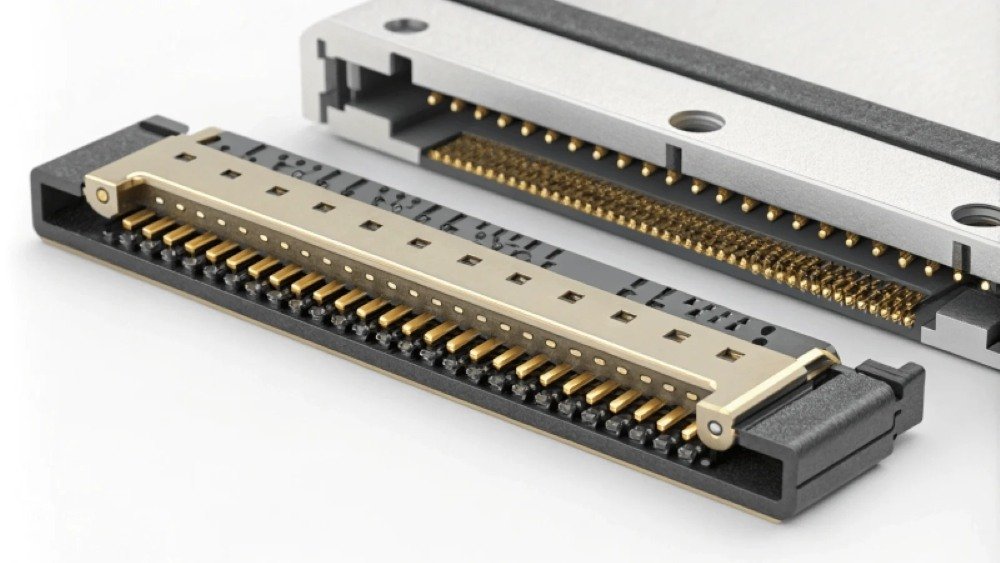
You might wonder if FFC and FPC connectors work together or can be swapped without issues. They may look similar, but using the wrong type can cause connector damage, signal loss, or even device failure. Understanding connector compatibility protects your design and prevents costly mistakes. If you choose the right cable and connector, you avoid risks and keep your projects running smoothly. YLS brings years of experience with flexible flat cables to help you make the right choice.
Key Takeaways
FFC and FPC connectors are not interchangeable. Using the wrong type can lead to device damage and signal loss.
Always check the connector type, pitch, and pin count before making a connection. This ensures a secure fit and reliable performance.
Review the datasheets for both cables and connectors. This step helps confirm compatibility and avoid costly mistakes.
Contact YLS for expert guidance and custom solutions. Their support can help you select the right components for your project.
Prioritize signal integrity by choosing compatible cables and connectors. This helps maintain strong performance and reduces data errors.
FFC and FPC: Key Differences
Before you select a cable for your project, you need to know what sets FFC and FPC apart. A Flexible Flat Cable (FFC) is a flat, ribbon-like cable with parallel metal conductors laminated between insulating films. You often see FFCs in printers, laptops, and automotive dashboards. A Flexible Printed Circuit (FPC) is a thin, flexible circuit board made by etching copper traces onto a plastic substrate. FPCs allow for more complex shapes and circuit designs, making them common in cameras, smartphones, and medical devices.
Feature | FFC (Flexible Flat Cable) | FPC (Flexible Printed Circuit) |
|---|---|---|
Structure | Flat ribbon with parallel conductors | Etched copper traces on flexible substrate |
Materials | Copper wires, PET or polyimide insulation | Copper foil, polyimide or polyester film |
Flexibility | Good for simple bends and folds | Excellent for complex shapes and 3D routing |
Customization | Standardized pitches and lengths | Highly customizable circuit patterns |
Typical Use | Signal transmission between boards or modules | Complex circuits, sensors, and compact devices |
Structure and Materials
You will notice that FFCs use parallel copper wires sandwiched between layers of PET or polyimide film. This design gives you a flat, flexible cable that is easy to route in tight spaces. FPCs, on the other hand, use a flexible plastic base with copper traces etched into custom patterns. This lets you create circuits that twist, fold, or wrap around corners. FPCs support more complex layouts, while FFCs offer a straightforward, reliable connection.
Recent advancements in both FFC and FPC design help improve connector compatibility and reliability. For example, manufacturers now offer high heat resistance up to 125°C, robust locking structures for secure connections, and visual inspection-friendly designs that make quality control easier. These features support stable performance even in demanding environments like automotive or industrial systems.
Electrical and Mechanical Properties
FFC cables provide consistent electrical characteristics because of their uniform conductor spacing. You get reliable signal transmission, especially when you match the cable with the correct connector type and pitch. FPCs can handle more complex circuits and support higher-density pinouts, which is useful for advanced electronics.
Modern FFC and FPC solutions also include:
High-density pinouts for better connection reliability.
Bi-directional four-lane MIPI interfaces for flexible data transfer.
Ultra-thin, flexible designs that fit into compact devices.
When you consider connector compatibility, always check the pitch, pin count, and locking mechanism. This ensures your cable and connector work together without risk of damage or signal loss. By understanding these differences, you make better choices for your application and avoid common pitfalls.
Connector Compatibility Issues
When you design or repair electronic devices, you must pay close attention to connector compatibility. This step ensures your connections stay safe and reliable. If you ignore these details, you risk damaging your device or causing it to fail. Let’s look at why each aspect matters.
Physical Fit and Pin Alignment
You need to match the connector type, pitch, and pin count for a secure fit. If you use the wrong connector, the cable may not seat properly. This can lead to bent pins, loose connections, or even short circuits. For example, an FFC with a 0.5mm pitch will not fit into a connector designed for a 1.0mm pitch. The pins will not align, and the connection will fail.
Tip: Always check the datasheet for both the cable and connector before making a selection.
YLS offers flexible flat cables in a wide range of pitch options, such as 0.4mm, 0.5mm, 1.0mm, and 1.25mm. You can choose the exact pitch and pin count you need for your project. This flexibility helps you avoid mistakes and ensures a perfect fit every time.
Signal Integrity and Performance
Connector compatibility affects more than just the physical connection. It also impacts signal quality. If the cable and connector do not match, you may see signal loss, interference, or data errors. High-speed signals, like those used in USB 3.0 or HDMI, need precise alignment and shielding.
A poor connection can cause:
Data transmission errors
Increased electromagnetic interference (EMI)
Reduced device performance
YLS flexible flat cables support high-speed protocols and offer options for EMI shielding. You can select shielded cables for sensitive applications. This helps you maintain strong signal integrity and reliable performance.
Manufacturer Specifications
You should always follow the manufacturer’s specifications for both cables and connectors. Each connector has unique requirements for pitch, pin count, and locking mechanism. If you mix FFC and FPC connectors without checking these details, you may void your warranty or fail to meet safety standards.
YLS provides detailed product documentation and support. You can consult their team to ensure you select the right cable for your connector. This reduces the risk of errors and helps you meet industry standards.
Note: Choosing the right cable and connector protects your device and ensures long-term reliability.
By focusing on connector compatibility, you prevent costly mistakes and keep your projects running smoothly. YLS flexible flat cables give you the options and support you need for safe, reliable connections.
Interchangeability Risks
When you consider swapping FFC and FPC connectors, you face several risks. These risks can affect your device’s performance, safety, and even your warranty. Understanding why these risks exist helps you make better choices for your projects.
Device or Connector Damage
If you use the wrong connector, you can damage both the cable and the device. FFC and FPC connectors often look similar, but their designs differ. The pin alignment, pitch, and locking mechanisms may not match. When you force a cable into an incompatible connector, you might bend or break the pins. This damage can make the connector unusable.
Bent pins can cause short circuits.
Misaligned connections can break the cable ends.
Forcing a fit may crack the connector housing.
Tip: Always check the connector type and pitch before making a connection. If you feel resistance, stop and verify compatibility.
You protect your devices and save money by avoiding these mistakes. Damaged connectors often require expensive repairs or replacements.
Reliability and Safety
Using the wrong connector does not just risk physical damage. It also affects the reliability and safety of your device. When the cable and connector do not match, you may see intermittent connections. These weak connections can cause devices to fail at random times.
Unstable connections can lead to data loss.
Poor contact increases the risk of overheating.
Electrical shorts may create fire hazards.
You want your devices to work every time you turn them on. Reliable connections keep your electronics safe and functional. If you ignore connector compatibility, you put your project and users at risk.
Warranty and Compliance
Manufacturers set strict guidelines for cable and connector use. If you use incompatible parts, you may void your warranty. Many companies will not cover damage caused by improper connections. You also risk failing compliance tests required for safety certifications.
Risk | Impact on Warranty | Impact on Compliance |
|---|---|---|
Using wrong connector | Warranty voided | Certification failed |
Device damage | No coverage | Safety risk |
Non-standard parts | No support | Legal issues |
Note: Always follow manufacturer recommendations. Save documentation for your connectors and cables. This helps you prove compliance if needed.
You avoid costly mistakes by choosing the right parts. Following guidelines protects your investment and ensures your products meet industry standards.
By understanding these risks, you see why connector compatibility matters. You keep your devices safe, reliable, and covered by warranty when you make informed choices.
Best Practices for YLS Flexible Flat Cable Selection
Identifying the Right Connector
You need to start with the basics. Choosing the right connector for your flexible flat cable is essential. If you select the wrong connector, you risk device failure or poor performance. You should always check the pitch, pin count, and locking mechanism. These details help you match the cable to your device.
Tip: Use the datasheet for both the cable and the connector. This step helps you confirm compatibility before you make a purchase.
YLS offers a wide range of pitch options, from 0.4mm to 1.25mm, and supports up to 96 conductors. You can request custom lengths, shielding, or special terminations. This flexibility lets you design for unique applications, such as medical devices or automotive systems.
Feature | Why It Matters |
|---|---|
Pitch | Ensures proper pin alignment |
Pin Count | Matches device requirements |
Locking Mechanism | Secures the connection |
Avoiding Compatibility Mistakes
You want to avoid costly errors. Many problems happen when you overlook small details. Always review the manufacturer’s documentation. This step helps you understand the connector’s specifications and limitations.
Note: If you have questions, contact YLS support. Their team can guide you through the selection process and help you avoid mistakes.
Follow these steps for best results:
Identify your device’s connector type and pitch.
Match the cable’s specifications to your connector.
Review the datasheet for both parts.
Consult YLS for custom solutions or technical support.
You protect your project and investment by following these best practices. Careful selection ensures reliable performance and long-term safety. YLS’s expertise and customization options give you confidence in every connection.
You now understand why FFC and FPC connectors are not always interchangeable. Careful selection prevents device failure and safety risks. YLS supports you with quality cables and expert guidance.
Always match connector type, pitch, and pin count.
Review datasheets before making a choice.
Contact YLS for custom solutions.
Tip: Careful planning ensures safe, reliable connections for your projects.
FAQ
Why can’t you use FFC and FPC connectors interchangeably?
You cannot use them interchangeably because their designs, pitches, and locking mechanisms often differ. This mismatch can cause poor connections, device damage, or signal loss. Always check compatibility before making a connection.
Why does connector pitch matter for compatibility?
Connector pitch determines the spacing between pins. If you choose the wrong pitch, the pins will not align. This can lead to bent pins, short circuits, or unreliable connections. Always match the pitch to your device’s requirements.
Why should you follow manufacturer specifications?
Manufacturer specifications ensure safe and reliable connections. If you ignore these guidelines, you risk damaging your device, voiding warranties, or failing safety tests. Always read the datasheet before making a selection.
Why do engineers prefer YLS flexible flat cables?
Engineers choose YLS cables for their customization, reliability, and support. You get a wide range of pitch options, shielding, and fast prototyping. YLS helps you meet unique project needs with expert guidance.
Why is signal integrity important when selecting connectors?
Signal integrity affects how well your device transmits data. Poor connections can cause data errors, interference, or device failure. You maintain strong performance by choosing compatible cables and connectors.
