

To read flat flex cable markings, you start by checking the printed codes and numbers along the cable surface. These markings show key information such as pitch, conductor count, insulation type, and polarity. You find the AWM numbers, which help you verify safety standards and compliance. Understanding cable markings lets you choose the right cable, avoid mistakes, and ensure your device works safely. When you use YLS Flexible flat cable, you see clear markings that make identification easy. Anyone can master reading cable markings with practice and attention.
Matching pitch, pin count, and connector type is essential for compatibility and performance.
Correct cable selection maintains device safety and functionality.
FFC cables fit best in compact devices where space-saving and flexibility matter most.
Key Takeaways
Check printed markings on flat flex cables to find key details like pitch, conductor count, and insulation type.
Always verify the AWM number to ensure your cable meets safety and compliance standards.
Match the pitch and conductor count of the cable to your device’s connector for proper fit and performance.
Look for the polarity mark to connect the cable correctly and avoid damaging your device.
Use a checklist of key marking elements to make quick and accurate decisions when selecting cables.
Flat Flex Cable Markings Explained
Flat flex cable markings are the printed codes, numbers, and symbols you see along the surface of an ffc. These markings give you important details about the cable’s construction, electrical ratings, and traceability. When you read flat flex cable markings, you can quickly check if the cable fits your device and meets safety standards.
Tip: Always check the markings before installation. This helps you avoid mismatches and ensures reliable performance.
Below is a table that explains the typical elements you will find in flat flex cable markings:
Marking Element | What It Means | Why It Matters |
|---|---|---|
Pitch | Distance between conductors (e.g., 0.5mm) | Ensures connector compatibility |
Conductor Count | Number of parallel wires (e.g., 20) | Matches device pin requirements |
Gauge (AWG) | Thickness of each wire (e.g., 28AWG) | Affects current capacity and flexibility |
Insulation Type | Material covering the wires (e.g., PET) | Impacts durability and temperature resistance |
Voltage Rating | Maximum safe voltage (e.g., 200V) | Prevents electrical failure |
Manufacturer Info | Brand or code (e.g., YLS) | Supports traceability and quality assurance |
Polarity Mark | Indicates pin 1 or orientation | Prevents incorrect installation |
Date Code/Lot Number | Production date or batch | Helps with quality control and recalls |
YLS Flexible flat cable always includes these elements in clear, easy-to-read markings. This makes it simple for you to identify the right cable for your application.
Key Elements in Cable Markings
When you read flat flex cable markings, you need to focus on several key elements:
Gauge (AWG): This tells you the thickness of each conductor. Thicker wires carry more current but may be less flexible. Thinner wires bend more easily but carry less current.
Conductor Count: This number shows how many parallel wires run through the ffc. You must match this to your device’s connector.
Insulation Type: The material used for insulation affects how well the cable handles heat and bending. For example, polyimide insulation bends many times without breaking and handles high temperatures. PET insulation works well for most standard uses.
Voltage Rating: This number tells you the maximum voltage the cable can safely handle. Most ffc cables have a voltage rating of 200V or 300V. You should always choose a cable with a voltage rating that matches or exceeds your device’s needs.
Manufacturer Information: This part of the markings shows who made the cable. YLS includes its brand name or code for easy traceability and quality assurance.
You can see how these elements affect cable performance in the table below:
Material | Properties | Impact on Durability |
|---|---|---|
Polyimide | Strong, insulates, handles high heat | Bends many times without breaking |
Copper | Carries electricity, very thin | Lasts longer if high purity is used |
Temperature Range | Implications |
|---|---|
Below -20°C | Less flexible, insulation may crack |
-20°C to 80°C | Best range for most ffc cables |
Above 80°C | Insulation breaks down, needs special cables |
Understanding Pitch, Conductors, and Insulation
Pitch, conductor count, and insulation type are three of the most important details in ffc cable markings.
Pitch: This is the distance from the center of one conductor to the next. Common pitches include 0.5mm, 1.0mm, and 1.25mm. You must match the pitch to your connector for a secure fit.
Conductor Count: The number of conductors must match the number of pins on your device’s connector. For example, a 24-pin connector needs a 24-conductor ffc.
Insulation Type: The insulation protects the conductors and affects how the cable bends and handles heat. Polyimide insulation works best for high-temperature or high-flex applications. PET insulation is common for standard uses.
When you read flat flex cable markings, you will see these values printed clearly. YLS Flexible flat cable uses high-quality copper and reliable insulation materials. This ensures your cable lasts longer and performs well in demanding environments.
Polarity and Date Codes
Polarity and date codes are also important parts of ffc cable markings.
Polarity Mark: This mark shows you which end is pin 1. It helps you install the cable in the correct orientation. You usually see a black arrow, dot, or stripe near one edge of the cable.
Date Code/Lot Number: This code tells you when the cable was made and which batch it came from. If you ever need to trace a problem or check for recalls, this information is essential.
YLS prints polarity marks and date codes on every flat flex cable. This supports quality control and makes it easy for you to track each cable back to its production batch.
Note: Always check the polarity mark before connecting your ffc. This prevents reversed connections and protects your device.
When you read flat flex cable markings, you gain the confidence to select, install, and trace the right cable for your project. YLS ensures every marking is clear, accurate, and compliant with industry standards.
How to Read Flat Flex Cable AWM Numbers
What Are AWM Numbers?
When you read flat flex cable markings, you often see a code called the AWM number. AWM stands for Appliance Wiring Material. This number is part of a system that helps you identify the type of wire or cable used in electrical devices. You use AWM numbers to confirm that your ffc meets strict safety and quality standards. These numbers show that the cable has passed tests for performance and safety. You can trust cables with AWM numbers because they follow rules set by organizations like UL and CSA. This is especially important for ffc cables used in electronics, medical devices, and automotive systems.
AWM numbers help you make sure your flat flex cable is safe and reliable. Always check for the AWM number before you install or use any ffc.
Looking Up and Interpreting AWM Styles
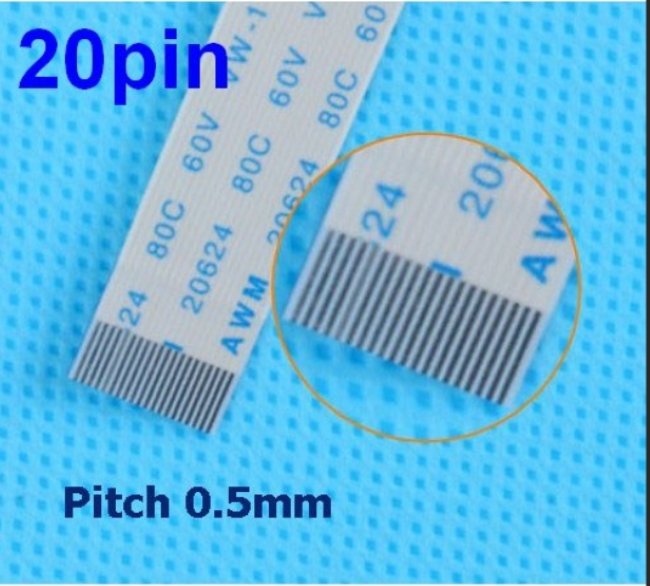
You can look up an AWM style number to find out exactly what your ffc cable can do. Each AWM style gives you details about the cable’s construction, insulation, voltage, and temperature limits. When you check the style number, you see if the cable fits your project and meets your device’s needs.
Here is a table that shows what you learn when you look up an AWM style number:
Specification | Details |
|---|---|
Conductor | tinned stranded copper wire |
Core insulation | TPE |
Insulation resistance | > 200 MOhm x km at + 20°C |
Flammability | flame retardant acc. to HF (UL), FT-2 (cUL) |
Temperature range | -40 °C to +120 °C |
Operating voltage | 1.000 V |
Testing voltage | 3.000 V |
You use this information to match your ffc to your device’s requirements. For example, if your device needs a cable that works in high temperatures, you check the temperature range. If you need a cable that resists fire, you look at the flammability rating. You also check the voltage ratings to make sure the cable will not fail under normal use.
Tip: Always compare the AWM style details with your device’s specifications. This helps you avoid mistakes and ensures your ffc works safely.
Compliance and Safety Standards
You need to know that your ffc cable meets global safety and quality standards. AWM numbers show that the cable has passed tests for electrical safety, fire resistance, and durability. When you use YLS Flexible flat cable, you see clear AWM numbers printed on the cable. YLS follows strict manufacturing rules and uses high-quality materials. This means you get cables that are safe, reliable, and ready for demanding applications.
YLS cables meet standards like ISO/IATF16949 and UL. These standards cover everything from electrical performance to traceability. You can trust YLS to deliver ffc cables that work in automotive, medical, and consumer electronics. The clear markings and AWM numbers make it easy for you to verify compliance.
Note: Always check the cable markings and AWM numbers before installation. This protects your device and ensures you meet industry requirements.
When you read flat flex cable AWM numbers, you gain confidence in your cable selection. You know your ffc will perform well and keep your devices safe. YLS makes it easy for you to identify, verify, and trace every flat cable you use.
Real-World FFC Cable Marking Examples
Step-by-Step Decoding Example
You can read flat flex cable markings by following a simple process. Take a YLS Flexible flat cable with this sample marking:
YLS 1.0mm 24P AWM 20624 80C 60V VW-1
Here is how you decode it:
YLS: Manufacturer (Yulian/YLS)
1.0mm: Pitch (distance between conductors)
24P: Number of conductors (24 pins)
AWM 20624: AWM style number for safety and compliance
80C: Maximum temperature rating (80°C)
60V: Maximum voltage rating (60 volts)
VW-1: Flammability rating
You can use this method to read any ffc cable from YLS. Each part of the marking gives you important information for installation and safety.
Matching Markings to Application Needs
You need to match the right ffc to your device. For example, in automotive systems, you may need a cable with high temperature resistance and a specific pitch. In medical devices, you look for cables with strict safety ratings and clear polarity marks. Consumer electronics often require thin, flexible cables with many conductors.
Industry | Key Marking Features Needed | Why It Matters |
|---|---|---|
Automotive | High temp, voltage, lot number | Handles engine heat, traceability |
Medical Devices | AWM, polarity, insulation type | Meets safety, prevents miswiring |
Consumer Electronics | Pitch, pin count, flexibility | Fits compact designs, easy routing |
You should always check the markings before choosing a cable for your project. This ensures the ffc will work safely and efficiently.
Using Markings for Traceability
Manufacturers use cable markings for lot traceability and quality control. You can track each ffc cable from production to installation. This helps you solve problems quickly if a defect appears.
You see consistent identification of materials and finished goods.
Lot numbers get assigned to every batch.
Digital systems record supplier info, inspection results, and certificates.
Lot numbers link to work orders and assembly lines.
Aspect | Description |
|---|---|
Role of Industrial Labeling | Gives an overview of production and supports traceability. |
Environmental Resistance | Labels resist heat and chemicals during production. |
Sector-Specific Needs | Different industries require unique labeling for complex processes. |
You can rely on YLS Flexible flat cable for clear markings that support traceability and quality control. This protects your business and your customers.
Tips and Common Mistakes in Reading Cable Markings
Avoiding Misinterpretation
You can easily make mistakes when reading ffc cable markings. Many people confuse the letter P in the marking, thinking it stands for something other than Parallel. This mistake can lead you to select the wrong flat flex cable for your device. Sometimes, you might overlook the numbers after SPT, which actually show insulation thickness. If you ignore this detail, you risk using a cable that does not fit your application. Another common error happens when you miss the S in SPT. The S means the cable uses stranded wire cores. If you do not notice this, you might assume the cable has solid cores, which affects performance.
Here are some frequent mistakes you should watch for:
Misreading the letter P as something other than Parallel.
Not recognizing that numbers after SPT indicate insulation thickness.
Overlooking the S in SPT, which shows stranded wire cores.
Always check each part of the markings before you install or select an ffc. Careful reading prevents costly errors.
Pro Tips for Accurate Identification
You can improve your accuracy by following a few simple steps. First, match the pitch and conductor count to your device’s connector. Check the insulation type and thickness to make sure the cable fits your environment. Look for the polarity mark so you connect the ffc in the right direction. Review the AWM number and date code for compliance and traceability.
Try these tips for reliable identification:
Use a magnifying glass to read small markings.
Compare the markings with your device’s requirements.
Keep a checklist of key marking elements for quick reference.
Contact YLS product support if you have questions about ffc cable markings.
Step | What to Check |
|---|---|
Pitch | Matches connector spacing |
Conductor Count | Fits device pin number |
Insulation Type | Suits temperature and flexibility |
Polarity Mark | Ensures correct orientation |
AWM Number | Confirms compliance |
If you ever feel unsure, reach out to YLS for expert guidance. You get fast answers and reliable support for all your ffc needs.
You can read flat flex cable markings and AWM numbers by checking each printed detail. You identify pitch, conductor count, insulation, polarity, and date codes. You verify AWM numbers for compliance. You select the right YLS Flexible flat cable for your project. You use a quick-reference checklist to match ffc markings to your device. You avoid mistakes by reviewing each marking. You contact YLS for expert support. You trust ffc cables for reliable performance. You check ffc markings before installation. You ensure ffc meets safety standards. You rely on ffc for traceability and quality.
Keep a checklist handy when you work with ffc cables. This helps you make fast, accurate decisions.
You can reach out to YLS for guidance on ffc selection and identification.
FAQ
What does ffc stand for?
ffc stands for Flexible Flat Cable. You use ffc to connect electronic components in devices that need space-saving and flexible wiring. You see ffc in laptops, printers, cameras, and many other compact electronics.
How do you identify the pitch of an ffc?
You check the markings printed on the ffc. The pitch shows the distance between conductors, such as 0.5mm or 1.0mm. You match the pitch to your device’s connector for proper fit.
Why is the AWM number important on an ffc?
You use the AWM number to verify that your ffc meets safety and compliance standards. The AWM number tells you about the cable’s construction, voltage rating, and temperature limits. You ensure your device works safely.
Can you use any ffc for high-speed data transmission?
You must check the markings and specifications. Not every ffc supports high-speed protocols. You look for cables with proper shielding, conductor material, and pitch. You select an ffc that matches your data requirements.
How do you ensure correct polarity when installing an ffc?
You find the polarity mark on the ffc, such as a stripe or arrow. You align this mark with pin 1 on your connector. You prevent reversed connections and protect your device.
