
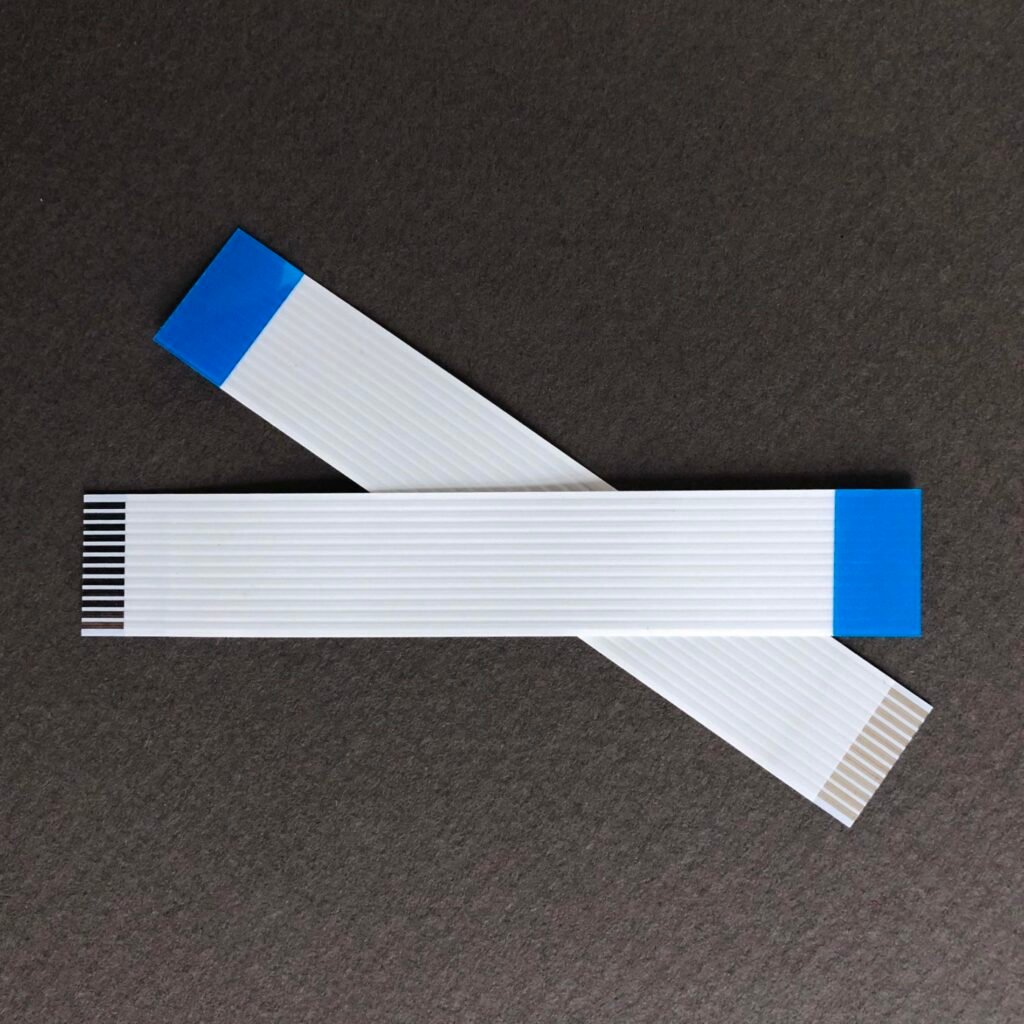
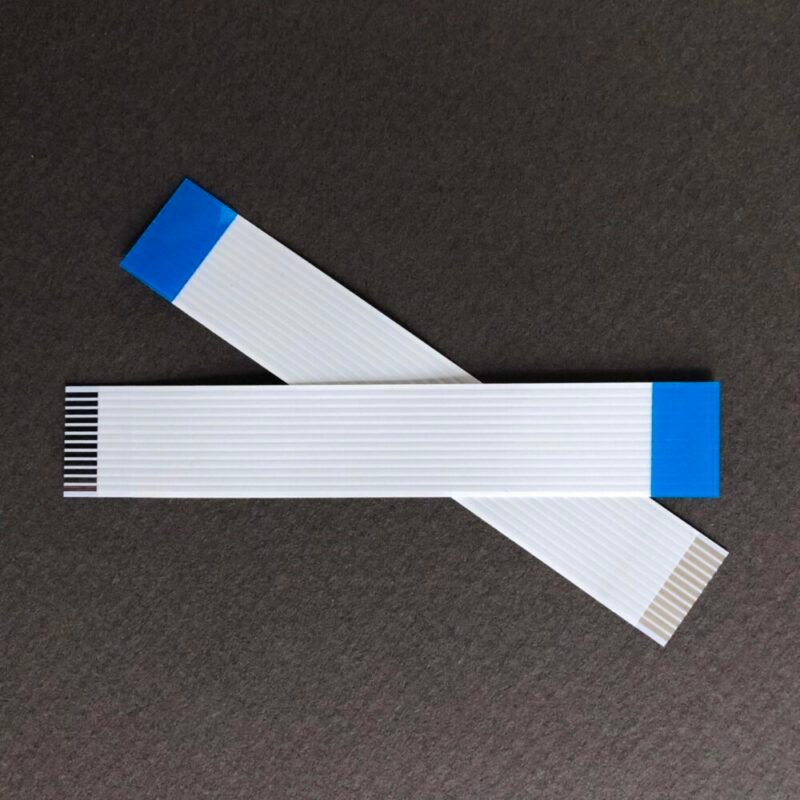
You want the best insulation for ffc when designing advanced electronics in 2026. Polyimide often delivers higher heat resistance, but PET gives you a cost-effective option for many electronics. YLS stands out as a trusted source for insulation for ffc in electronics, offering reliable solutions that meet strict industry demands. The right insulation for ffc can boost performance, lower costs, and ensure your electronics last longer. Every choice in insulation for ffc directly affects how well your electronics work.
Key Takeaways
Polyimide (PI) insulation excels in high-temperature and harsh environments, making it ideal for demanding applications like aerospace and medical devices.
PET insulation offers a cost-effective solution for standard electronics, suitable for indoor use with moderate temperature and flexibility requirements.
When selecting insulation, consider factors like operating temperature, flex life, chemical resistance, and budget to ensure optimal performance.
Polyimide provides superior chemical resistance and longevity, while PET is better for projects with tight budgets and less demanding conditions.
Stay informed about emerging materials and trends in insulation to enhance your designs and meet future industry needs.
Insulation for FFC: Key Needs in 2026
Performance Requirements
You want your flexible circuits to perform reliably in every application. The insulation you choose for flexible circuits must handle high temperatures, control impedance, and block electromagnetic interference. In 2026, industry standards expect insulation to withstand temperatures up to 105 °C. Some advanced designs can push this limit to 150 °C with silicone tape. High-speed data transfer is common in flexible circuits, so insulation must support a differential impedance of about 100 ohms. Shielding is also essential. It protects your flexible circuits from EMI by using copper conductors and shielding foil.
Here is a quick table showing the most critical insulation requirements for flexible circuits in 2026:
Requirement | Details |
|---|---|
High-Temperature Resistance | Rated for temperatures up to 105 °C, can be increased to 150 °C with silicone tape. |
Impedance Control | Designed for high-speed applications with a differential impedance of typically 100 ohms. |
Shielding | Provides protection against electromagnetic interference (EMI) using laminated copper conductors and shielding foil. |
When you do a flex pcb material comparison, always check these requirements first. They help you decide if PET or polyimide fits your needs.
Tip: Always match insulation properties to your device’s real-world stresses. This step ensures your flexible circuits last longer and work better.
Industry Trends
In 2026, flexible circuits continue to grow in popularity. You see them in everything from medical devices to automotive electronics. The demand for thinner, lighter, and more reliable flexible circuits drives innovation in insulation materials. Manufacturers now focus on materials that balance cost and performance. When you do a flex pcb material comparison, you notice that PET remains a favorite for cost-sensitive projects. Polyimide, however, leads in high-performance and high-temperature environments.
You also see a trend toward eco-friendly insulation. Many companies now look for recyclable or low-impact materials when they do a flex pcb material comparison. This shift helps you meet both regulatory and customer demands.
Selection Criteria for Insulation:
Temperature rating
Impedance control
EMI shielding
Cost
Environmental impact
These criteria guide your flex pcb material comparison and help you choose the best insulation for your flexible circuits.
Physical Properties Comparison
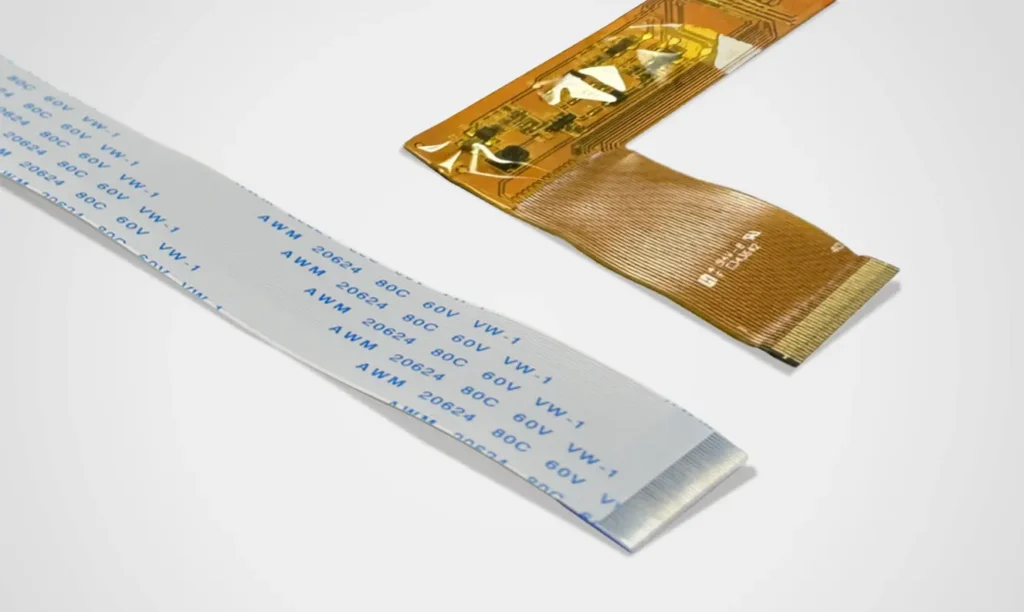
PET vs PI Structure
You need to understand the structure of pet and pi when you select insulation for flexible flat cables. Pet uses a polyester film. Pi uses a polyimide film. Pet has a smooth and uniform surface. Pi has a denser and more complex molecular structure. You see pet in many consumer electronics because it offers good electrical insulation and a low cost. Pi stands out for its high thermal stability and chemical resistance. You can rely on pi for demanding environments. Pet provides reliable performance in standard conditions. Pi maintains its properties even when exposed to heat and chemicals. You notice that pi offers better dimensional stability than pet. Dimensional stability means the material keeps its shape and size under stress or temperature changes. Pet performs well in most devices, but pi gives you extra confidence in harsh conditions. You should compare pet and pi based on your application’s needs.
Note: Pi’s advanced structure gives you better dimensional stability, which is important for high-precision electronics.
Flexibility and Strength
You want your flexible flat cable to bend and move without breaking. Pet gives you good flexibility for most uses. Pi offers even greater flexibility and strength. You can fold and twist pi many times without damage. Pet works well for devices that do not move much. Pi is the best choice for dynamic applications. You see pi used in robotics, automotive, and medical devices where cables move often. Pet handles moderate bending but may not last as long as pi in tough conditions. Pi’s flexibility and strength also support better dimensional stability. You should choose pi if your design needs repeated flexing or must survive in harsh environments. Pet remains a solid option for cost-sensitive projects with less movement.
Property | PET | PI (Polyimide) |
|---|---|---|
Structure | Polyester film | Polyimide film |
Flexibility | Good | Excellent |
Strength | Moderate | High |
Dimensional Stability | Good | Excellent |
Best Use Case | Standard electronics | High-flex, harsh settings |
Selection Criteria:
Choose pet for cost efficiency and standard use.
Choose pi for high flexibility, strength, and dimensional stability.
Thermal and Electrical Performance
Temperature Ratings
You need to know how pet and pi perform when exposed to heat. Pet works well in many devices, but it has a lower temperature limit. Most pet insulation can handle up to 105°C. This makes pet a good choice for standard electronics. You see pet in printers, TVs, and many consumer gadgets. Polyimide, or pi, stands out in high-temperature applications. Pi can handle temperatures up to 200°C or even higher. You find pi in aerospace, automotive, and industrial machines. These fields need insulation that will not fail under heat. Polyimide keeps its shape and strength even when things get hot. You should choose pi for high-temperature applications where safety and reliability matter most.
Here is a quick comparison:
Property | PET (Polyester) | PI (Polyimide) |
|---|---|---|
Max Temperature | 105°C | 200°C+ |
Best Use | Standard | High-temp |
Stability at Heat | Good | Excellent |
Tip: If your device faces high heat, pi gives you the best protection.
Electrical Insulation
You want your flexible flat cable to block unwanted current and keep signals safe. Pet offers good electrical insulation properties for most electronics. You can trust pet for devices that do not face extreme stress. Polyimide, or pi, gives you even better electrical insulation. Pi resists breakdown and keeps working in tough spots. You see pi used in high-voltage and high-temperature applications. Polyimide supports both flexibility and electrical insulation, which is key for moving parts. Pet also supports flexibility and electrical insulation, but pi lasts longer in harsh conditions.
Selection Criteria for Insulation:
Use pet for cost-sensitive, standard devices.
Pick pi for high-temperature applications and tough environments.
Choose polyimide when you need the best electrical insulation properties.
You should always match your insulation to your device’s needs. This step ensures safety and long life for your electronics.
Chemical Resistance and Durability
Environmental Stability
You want your flexible flat cable to survive in tough environments. When you compare pet and pi, you see big differences in how they handle moisture, chemicals, and temperature swings. Pet gives you good performance in dry, indoor settings. It resists many oils and common solvents. However, pet does not have strong hydrolysis resistance. If you use pet in humid or wet places, you may see the insulation break down over time. Polyimide, or pi, stands out for its excellent hydrolysis resistance. You can use pi in places with high humidity, steam, or even chemical splashes. Polyimide keeps its shape and strength, even when exposed to harsh chemicals. Pi also resists UV light and ozone, so it works well outdoors or in industrial settings. You get better chemical resistance with pi than with pet. If you need insulation that can handle water, chemicals, and changing weather, pi is the best choice.
Longevity
You want your electronics to last as long as possible. Pet gives you a good lifespan in normal conditions. If you use pet in a clean, dry office or home, it can last for years. However, pet loses its strength if exposed to water or chemicals for a long time. The lack of hydrolysis resistance in pet means it may fail early in harsh environments. Polyimide, or pi, offers much better longevity. You can trust pi to last for many years, even in places with heat, moisture, or chemicals. Polyimide keeps its flexibility and strength, so your flexible flat cable stays reliable. Pi’s hydrolysis resistance means you do not have to worry about insulation breaking down. If you want the longest life for your cable, choose pi.
Property | PET | PI (Polyimide) |
|---|---|---|
Chemical Resistance | Moderate | Excellent |
Hydrolysis Resistance | Low | High |
UV/Ozone Resistance | Moderate | Excellent |
Longevity | Good (dry only) | Excellent (all env) |
Selection Criteria:
Choose pet for dry, indoor use.
Choose pi for harsh, wet, or chemical-rich environments.
Pick polyimide if you need the best hydrolysis resistance and long-term durability.
Note: Always match your insulation to the real-world environment for the best results.
Cost and Value Analysis
Material Pricing
You want to know how much pet and pi cost when you select insulation for flexible flat cables. Pet gives you a lower price because manufacturers produce it in large quantities. You see pet used in many electronic components where cost matters most. Pi costs more because it offers advanced circuit protection and high performance. Polyimide requires special processing, which increases its price. You pay more for pi, but you get better protection and durability. Pet remains the top choice for projects with tight budgets. Polyimide fits best in applications where you need high reliability and circuit protection.
Here is a quick comparison table:
Material | Typical Price Range | Durability | Best Use Case |
|---|---|---|---|
PET | Low | Good | Standard electronics |
PI | High | Excellent | High-performance, harsh environments |
Note: You should always balance price and performance when you choose insulation for electronic components.
Impact on FFC Cost
You see the insulation material affect the total cost of your flexible flat cable. Pet lowers the cost of your circuit and makes it easier to use in consumer devices. Pi increases the cost, but you get better protection and longer life. Polyimide helps your circuit survive in tough conditions. You must decide if you want to pay more for pi or save money with pet. If your circuit needs frequent movement or faces heat, pi gives you the best value. Pet works well for simple circuit designs and standard electronic components.
Selection Criteria for Cost and Value:
Choose pet for cost-sensitive projects and standard circuit protection.
Pick pi for high-performance needs and advanced protection.
Use polyimide when your circuit faces harsh environments.
Tip: You should match your insulation choice to your budget and the demands of your circuit.
Flex Life and Reliability
Dynamic Applications
You want your flexible flat cable to last through thousands of bends and movements. Flex life measures how many times a cable can bend before it fails. In dynamic applications, such as robotics, printers, or automotive systems, cables must move often. You need insulation that can handle repeated flexing without cracking or losing strength.
Polyimide (PI) stands out for its excellent flex life. You can use PI-insulated cables in devices that require constant motion. PI resists fatigue and keeps its properties even after many cycles. PET also offers good flexibility, but it may not last as long as PI in high-movement environments. If your design involves frequent bending, PI gives you more reliability and longer service life.
Here is a quick comparison:
Property | PET | PI (Polyimide) |
|---|---|---|
Flex Life | Good | Excellent |
Fatigue Resistance | Moderate | High |
Best Use | Static/Few Bends | Dynamic/Many Bends |
Tip: For moving parts or repeated flexing, choose PI insulation for the best results.
Selection Criteria for Flex Life:
Use PET for static or low-movement applications.
Choose PI for dynamic, high-flex environments.
YLS Flexible Flat Cable Performance
You want cables that perform reliably in real-world conditions. YLS Flexible Flat Cables use high-quality PET or PI insulation, matched to your application. YLS tests every cable for flex life and reliability. You get cables that withstand repeated bending, folding, and twisting.
YLS offers:
Customizable pitch and conductor count for your design.
Options for PET or PI insulation based on your needs.
Shielded versions for EMI-sensitive environments.
Fast prototyping and sample delivery.
You can trust YLS cables in robotics, automotive, medical devices, and consumer electronics. YLS ensures each cable meets strict industry standards for durability and reliability.
When you choose YLS, you get flexible flat cables built for your application’s flex life and reliability needs.
Environmental Impact
Sustainability
You want to choose insulation that supports a cleaner future. PET and polyimide both impact the environment in different ways. PET comes from polyester, which you can recycle in many cases. You see PET used in electronics where manufacturers focus on reducing waste. Polyimide offers high performance, but recycling polyimide is more difficult. You notice that PET insulation often uses less energy during production. Polyimide needs more energy because of its complex structure.
You must consider uv exposure when you select insulation. PET shows moderate uv stability. You see PET degrade faster under uv light, especially outdoors. Polyimide gives you excellent uv stability. You can use polyimide in places with strong uv exposure. Polyimide resists uv damage and keeps its properties for a long time. You help the environment by choosing materials with high uv stability. You reduce waste and avoid frequent replacements.
Here is a comparison table for sustainability and uv stability:
Material | Recyclability | Production Energy | uv Stability | Best Use Case |
|---|---|---|---|---|
PET | Good | Low | Moderate | Indoor, low uv |
Polyimide | Limited | High | Excellent | Outdoor, high uv |
You should select PET for projects where recycling and low energy use matter. Choose polyimide for applications needing high uv stability.
Selection Criteria:
Pick PET for indoor devices with low uv exposure.
Choose polyimide for outdoor or high uv environments.
Regulatory Compliance
You must follow strict rules when you design electronics. PET and polyimide both meet global standards for safety and environmental protection. You see PET used in products that require RoHS and REACH compliance. Polyimide also meets these standards. You must check uv stability when you select insulation for regulated markets. Many regulations require materials to resist uv damage. You find polyimide easier to certify for outdoor use because of its high uv stability.
You see YLS cables meet ISO and RoHS standards. You trust YLS to deliver cables with reliable uv stability. You avoid problems with compliance by choosing materials that resist uv and meet all regulations. You protect your products and the environment.
Tip: Always check uv stability and regulatory certifications before you select insulation for your flexible flat cable.
Typical Applications for PET and PI
YLS Product Use Cases
You see pet and pi insulation used in many YLS flexible flat cable designs. YLS offers cables with pet insulation for consumer electronics, such as display modules and keypads. You find pet ideal for devices that need cost efficiency and moderate durability. Polyimide insulation gives you high performance in demanding environments. YLS uses polyimide for cables in medical devices like hearing aids and diagnostic equipment. You also see pi in automotive radar modules and infotainment systems. YLS shielded cables with pi insulation protect signals in aerospace sensors and onboard navigation. You get reliable performance from YLS cables whether you choose pet or polyimide.
YLS helps you match pet or pi insulation to your project’s needs. You select pet for standard electronics and polyimide for harsh or high-flex applications.
Application Scenarios
You use pet insulation in many everyday devices. You find pet in printers, TVs, and portable ATM terminals. Pet works well in indoor environments with low moisture and moderate temperatures. Polyimide insulation gives you extra protection in tough conditions. You see pi used in aerospace systems, military aircraft, and fibre optic transmission. Polyimide resists heat, chemicals, and UV light. You rely on pi for medical equipment like pacemakers and endoscopes. Automotive airbag systems and GPS devices also use polyimide insulation for safety and reliability.
Here is a table showing where you use pet and pi insulation in FFCs:
Sector | PET Applications | PI (Polyimide) Applications |
|---|---|---|
Automotive | GPS, infotainment | Airbag, radar modules |
Medical | Keypads, display modules | Hearing aids, pacemakers, endoscopes |
Aerospace | Consumer electronics | Navigation, sensors |
Consumer Electronics | Printers, TVs | Thermal imaging, cameras |
Selection Criteria:
Choose pet for cost-sensitive, indoor, and standard electronics.
Pick polyimide for high-temperature, high-flex, or harsh environments.
Use pi when you need long-lasting durability and chemical resistance.
You improve your device’s reliability by matching pet or pi insulation to the application scenario.
Comparison Table: Insulation for FFC
PET vs PI Quick Reference
You want to make the right choice for your flexible flat cable insulation. You see pet and pi used in many designs. Each material gives you unique benefits. You need to compare pet flexible pcb and pi insulation for your project. The table below shows the main differences between pet and pi. You can use this quick reference to decide which fits your needs.
Property | PI (Polyimide) | PET |
|---|---|---|
Max Continuous Temp (°C) | 260 | 150 |
Flex Life | Excellent | Good |
Chemical Resistance | Excellent | Good |
Thermal Stability | Up to 400°C (short) | Up to 150°C |
Cost | High | Low |
Typical Application | High-flex, harsh env. | Standard electronics |
You see pi insulation in YLS shielded-cable designs for automotive radar and medical devices. Pi gives you high flex life and strong chemical resistance. You can trust pi for dynamic applications. You also notice pi supports thinner polyimide flex pcb thickness, which helps in compact designs. Pi works well in harsh environments where you need reliability.
Pet flexible pcb is popular in consumer electronics. You find pet flexible pcb in printers, TVs, and display modules. Pet gives you good performance at a lower cost. You can use pet flexible pcb for standard applications. Pet also supports moderate flex life and chemical resistance. You see pet flexible pcb in YLS flexible flat cable products for cost-sensitive projects.
You need to consider polyimide flex pcb thickness when you design for tight spaces. Pi allows thinner cables without losing strength. You also compare pet flexible pcb for projects where budget matters most. You can choose pi or pet based on your temperature, flex life, and chemical resistance needs.
Tip: Use pi for high-flex, high-temperature, or harsh environments. Choose pet flexible pcb for standard electronics and cost efficiency.
Choosing Insulation for FFC Design
Decision Criteria
You need to select the right insulation for your flexible flat cable. The choice depends on your application, performance needs, and budget. You see pi and pet used in many designs, but each material fits different requirements. You want to match the insulation to your device’s environment and expected stresses.
Here is a table to help you compare pi and pet for FFC insulation:
Material | Properties | Suitable Applications |
|---|---|---|
Polyimide (PI) | High thermal stability, high glass transition temperature, good chemical resistance | Automotive electronics, aerospace, high-temperature environments |
Polyester (PET) | Cost-effective, good flexibility, lightweight, decent electrical insulation | Consumer electronics, moderate temperature environments |
You can use pi when your device faces high temperatures or harsh chemicals. Pi works well in automotive electronics, aerospace, and industrial machines. You get high thermal stability and strong chemical resistance. Pi also supports high flex life, so you can use it in dynamic applications.
You can use pet for cost-sensitive projects. Pet gives you good flexibility and lightweight construction. You see pet in consumer electronics and devices that operate in moderate temperatures. Pet helps you save money and still get reliable performance.
You should consider these selection criteria:
Operating Temperature: Pi suits high-temperature environments. Pet fits moderate temperatures.
Cost: Pet is more cost-effective. Pi costs more but offers advanced protection.
Circuit Protection: Pi gives you better protection in harsh conditions. Pet works for less demanding applications.
Flex Life: Pi supports repeated bending and movement. Pet fits static or low-movement designs.
Tip: Always match the insulation to your device’s real-world stresses and budget. You improve reliability and save costs.
YLS Custom Solutions
You want cables that fit your exact needs. YLS offers custom solutions for flexible flat cable insulation. You can choose pi or pet based on your project requirements. YLS helps you design cables for high-temperature, high-speed, or space-saving applications.
YLS provides:
Customizable solutions for unique requirements.
An online FFC configurator to explore options.
Pre-folded versions for easy installation.
Integrated adhesive solutions for secure routing.
High-temperature cables rated up to 150°C.
Impedance-controlled cables for high-speed signals.
Custom printing for permanent labeling.
You can request rapid prototyping from YLS. Samples are ready within 48 hours. You get cables tailored to your specifications. YLS supports you with expert advice and fast delivery.
Note: You can trust YLS to deliver flexible flat cables with pi or pet insulation that match your application, performance, and budget needs.
Future Trends Beyond PET and PI
Emerging Materials
You see new materials changing the way you design flexible printed circuit boards. Engineers now explore options beyond PET and pi. Materials like liquid crystal polymer (LCP), thermoplastic polyetherimide (PEI), and fluoropolymer films offer unique benefits. LCP gives you high-frequency performance and low moisture absorption. PEI provides strong mechanical strength and good thermal stability. Fluoropolymer films resist chemicals and extreme temperatures.
Here is a comparison table for emerging insulation materials:
Material | Max Temp (°C) | Chemical Resistance | Flex Life | Cost |
|---|---|---|---|---|
LCP | 200 | Excellent | Good | High |
PEI | 180 | Good | Excellent | Moderate |
Fluoropolymer | 260 | Excellent | Good | High |
Note: You should select materials based on your application’s temperature, chemical exposure, and flex life needs.
Selection Criteria for Emerging Materials:
Choose LCP for high-frequency and moisture-sensitive designs.
Pick PEI for strong mechanical strength and moderate cost.
Use fluoropolymer for extreme environments and chemical resistance.
Predictions for FFC Insulation
You will see flexible printed circuits evolve as new materials become available. Manufacturers focus on sustainability and recyclability. You may use bio-based films or recycled plastics in future designs. Flexible printed circuit board insulation will likely support higher speeds and thinner profiles. You can expect improved UV resistance and longer flex life. Smart insulation materials may monitor cable health and signal quality.
Tip: Stay updated on material innovations. You improve your designs by choosing insulation that matches future industry needs.
You will see more choices for insulation as technology advances. You should review new materials and test them in your applications. You make better decisions by comparing performance, cost, and environmental impact.
You need to choose insulation that fits your project’s demands. Polyimide gives you high performance in harsh environments. PET offers cost savings for standard electronics. YLS helps you select the right cable for your needs. Review the table below and follow the selection criteria.
Material | Best Use | Cost | Flex Life | Chemical Resistance |
|---|---|---|---|---|
Polyimide | High-temp, dynamic | Higher | Excellent | Excellent |
PET | Standard, indoor | Lower | Good | Good |
Selection Criteria:
Match insulation to your device’s stresses.
Consider your budget.
Stay updated on new materials.
YLS supports you with custom solutions and expert advice.
FAQ
What is the main difference between PET and Polyimide insulation?
You see PET used for cost savings and standard electronics. Polyimide gives you higher temperature resistance and durability. PET fits indoor, low-stress uses. Polyimide works best in harsh or high-flex environments.
How do I choose between PET and Polyimide for my FFC design?
You should match insulation to your device’s needs. Consider these criteria:
Operating temperature
Flex life
Chemical resistance
Budget
Can I use PET-insulated FFCs in automotive or medical devices?
You can use PET in non-critical, low-heat automotive or medical parts. For high reliability, heat, or movement, you should choose Polyimide. Polyimide meets strict industry standards for these demanding applications.
Which insulation offers better chemical resistance?
Polyimide gives you excellent chemical resistance. PET provides moderate resistance but may degrade in harsh environments. For the best protection, you should select Polyimide.
Quick Comparison Table: PET vs Polyimide
Feature | PET | Polyimide |
|---|---|---|
Max Temp (°C) | 105–150 | 200–260 |
Flex Life | Good | Excellent |
Chemical Resistance | Moderate | Excellent |
Cost | Low | High |
Use this table to guide your selection.
