
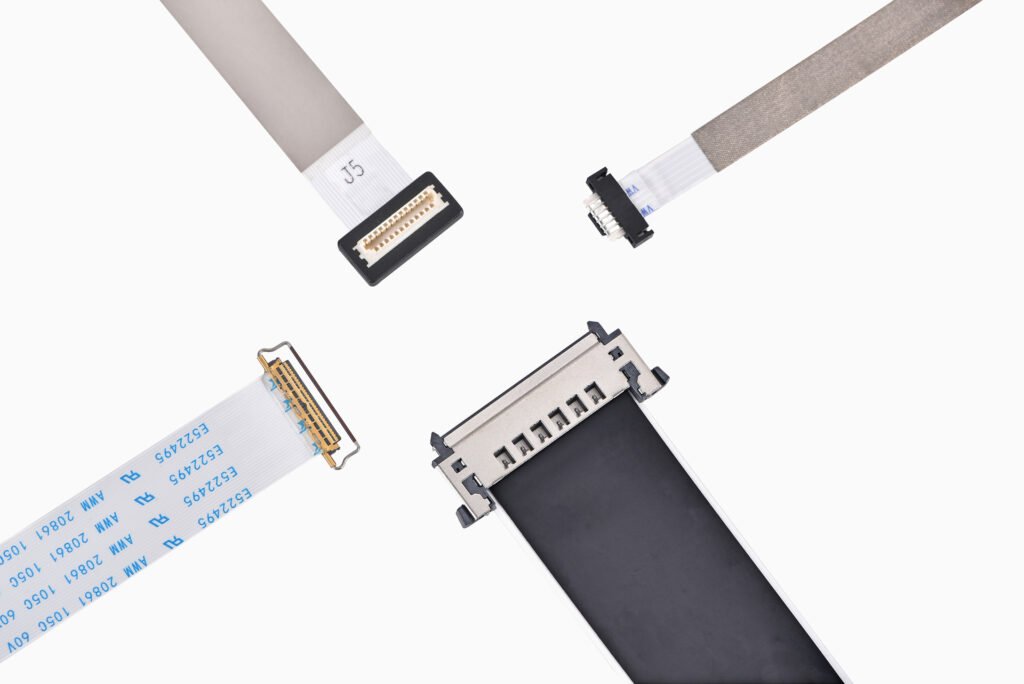
You face real challenges when dealing with humidity and condensation risks in flexible flat cables. Moisture can lead to corrosion, signal loss, or even total failure of your equipment. Early prevention and regular maintenance keep your systems running safely. YLS offers advanced flexible flat cable solutions to help you reduce these risks. Adopt smart cable care habits to protect your investment and ensure reliable performance.
Key Takeaways
Moisture can cause serious damage to flexible flat cables, leading to corrosion and signal loss. Regular maintenance helps prevent these issues.
Choose high-quality, moisture-resistant cables and consider shielded options for environments with high humidity to enhance reliability.
Install cables in well-ventilated areas and use dehumidifiers to control moisture levels, protecting your cables from damage.
Regularly inspect cables for signs of moisture, such as discoloration or rust. Early detection can prevent costly failures.
If moisture is found, clean and dry cables immediately. Replace any damaged cables to ensure continued performance.
Understanding Humidity and Condensation Risks
Effects on Flexible Flat Cables
You need to understand how humidity and condensation risks can affect your flexible flat cables. When moisture enters your cables, it can cause corrosion on the metal conductors. This weakens the cable and reduces its lifespan. You may also see signal loss or interruptions in data transmission. In severe cases, moisture can lead to short circuits, which can damage your devices. YLS flexible flat cables use advanced materials and manufacturing processes to help you avoid these problems and maintain reliable performance.
Tip: Choose cables with high-quality insulation and consider shielded options for environments with high humidity.
Common Risks and Mitigation Strategies:
Corrosion of conductors
Use cables with moisture-resistant insulation.
Signal loss or interference
Select shielded or custom cables from YLS.
Short circuits
Install cables in controlled environments and inspect regularly.
Reduced cable flexibility
Store cables in dry areas and avoid exposure to condensation.
Common Causes in Electronic Environments
You often find humidity and condensation risks in places with poor ventilation or rapid temperature changes. High humidity levels in factories, data centers, or outdoor installations can increase the chance of moisture buildup. Water leaks, steam, or even cleaning processes can introduce unwanted moisture. You should always check for these conditions before installing your cables.
Signs of Moisture-Related Issues
You can spot moisture problems by looking for discoloration, rust, or greenish spots on the cable ends. Cracked or brittle insulation also signals trouble. If you notice unexpected device errors or signal drops, moisture could be the cause. Early detection helps you prevent bigger failures and keeps your systems running smoothly.
Prevention Strategies for YLS Flexible Flat Cables
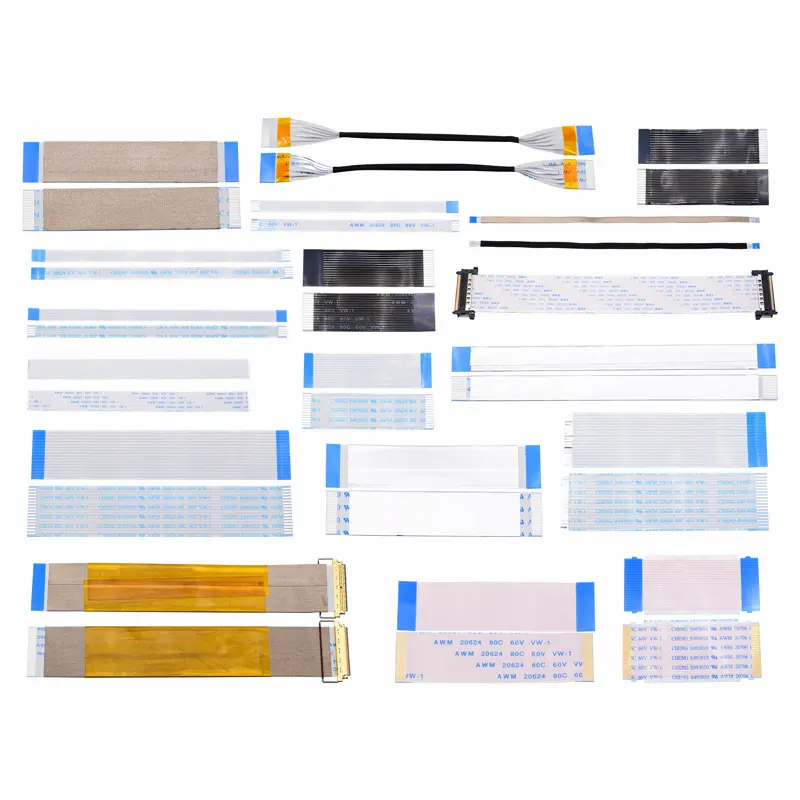
Environmental Controls and Installation
You can greatly reduce humidity and condensation risks by focusing on your installation environment and following best practices. Start by choosing a location with good airflow. Proper ventilation helps keep moisture levels low. Use dehumidifiers in areas where humidity often rises. This step keeps your cables dry and safe.
When you install YLS flexible flat cables, pay attention to these important steps:
Use corrosion-resistant materials, such as stainless steel or aluminum, for mounting hardware.
Apply sealing materials and waterproof coatings to cable entry points.
Schedule regular inspections to check for signs of moisture or corrosion.
Improve humidity control with dehumidifiers or ventilation systems.
Install smart monitoring systems, like IoT sensors, to get real-time alerts about moisture levels.
Tip: Always keep cables away from sources of water, such as pipes or steam vents. This simple step can prevent many problems before they start.
Sealing, Insulation, and Material Selection
Selecting the right sealing and insulation materials is key to protecting your cables from moisture. YLS uses advanced materials that help block water and keep your connections strong. The table below shows some of the most effective options for sealing and insulation:
Product Name | Description |
|---|---|
Butyl Rubber | Used as a vapor barrier to stop moisture from entering the cable. |
Silicone Sealant | Industrial-grade sealant that resists both moisture and weathering. |
TIC BWRAP | Self-adhesive membrane that acts as a primary vapor barrier and prevents water leaks. |
Foster Mastics | High-performance barrier that protects insulation from water. |
Flexible Elastomeric Foam | Built-in vapor barrier for excellent condensation control and corrosion protection. |
You should choose insulation and sealing materials that match your environment. For example, if you work in a place with frequent temperature changes, flexible elastomeric foam can help control condensation. Silicone sealant works well for outdoor or industrial settings.
Custom and Shielded Cable Solutions
YLS offers custom and shielded cable solutions that help you manage humidity and condensation risks. Custom cables let you pick the right insulation, shielding, and connector types for your specific needs. Shielded cables protect your signals from interference and add an extra layer of defense against moisture.
You can request cables with special coatings or reinforced insulation for harsh environments. YLS also provides shielded flexible flat cables that block electromagnetic interference and help keep moisture out. These options work well in automotive, medical, and industrial settings where reliability matters most.
Note: Customization gives you control over every detail, from cable length to insulation type. This approach helps you prevent problems before they start and ensures your cables last longer.
By following these prevention strategies, you can protect your systems from humidity and condensation risks. YLS flexible flat cables, with their advanced materials and customization options, give you the tools you need for long-term reliability.
Monitoring and Maintenance Best Practices
Humidity Detection and Sensors
You can use humidity sensors to monitor moisture levels around your flexible flat cables. These sensors help you spot problems before they cause damage. Most sensors use capacitive sensing. This method detects changes in moisture by measuring the capacitance of a probe. When moisture increases, the output voltage drops. These sensors give you a quick way to check for humidity, but they only provide a qualitative result. You will know if moisture is present, but not the exact amount.
Here is a table that shows how these sensors work:
Feature | Description |
|---|---|
Measurement Method | Capacitive sensing that detects moisture levels based on probe capacitance. |
Output | Analog output; higher moisture levels yield lower output voltage. |
Qualitative Measurement | Can only qualitatively test humidity; does not provide quantitative data. |
Example Applications | Soil moisture detection, automatic plant watering, smart/IoT gardens. |
You can install these sensors in areas where cables are most at risk. This helps you react quickly if humidity rises.
Inspection and Maintenance Routines
You should inspect your cables on a regular schedule. Look for signs of moisture, such as discoloration, rust, or brittle insulation. Use a flashlight to check hard-to-see areas. If you find any damage, replace the cable right away. Clean the area around your cables to keep dust and water away. Create a checklist for your maintenance team. This ensures that every inspection covers all important points.
Tip: Keep a log of each inspection. This helps you track changes over time and spot patterns that could signal bigger issues.
Leveraging YLS Product Durability
YLS flexible flat cables offer strong resistance to humidity and condensation risks. The advanced materials and precise manufacturing help your cables last longer, even in tough environments. You benefit from features like moisture-resistant insulation and shielded designs. These features reduce the need for frequent replacements. When you combine regular monitoring with YLS cable durability, you create a reliable system that stands up to moisture challenges.
By following these best practices, you protect your equipment and keep your systems running smoothly.
Troubleshooting and Remediation for Moisture Damage
Identifying and Assessing Damage
You need to spot moisture damage early to prevent bigger problems. Start by looking for visible signs. Check your flexible flat cables for discoloration, green or white residue, or rust on the connectors. Feel the insulation. If it feels brittle or sticky, moisture may have entered. Use a flashlight to inspect hard-to-reach areas. If your devices show signal drops or random errors, moisture could be the cause.
Tip: Keep a checklist for inspections. This helps you track changes and catch issues before they get worse.
Cleaning and Drying Procedures
If you find moisture on your cables, act quickly. First, power off all equipment connected to the affected cables. Remove the cables carefully. Use a soft, dry cloth to wipe away any visible moisture. For stubborn spots, use isopropyl alcohol and a lint-free cloth. Let the cables air dry in a warm, dry place. Avoid using heat guns or hair dryers, as too much heat can damage the insulation.
Cleaning Steps:
Power off and disconnect cables.
Wipe with a dry cloth.
Clean with isopropyl alcohol if needed.
Air dry completely before reinstalling.
Alert: Never reconnect cables until you are sure they are completely dry.
Replacing Affected YLS Cables
Sometimes, cleaning is not enough. If you see corrosion, cracked insulation, or ongoing signal issues, you should replace the cable. YLS offers a wide range of flexible flat cables, including shielded and custom options, to match your needs. You can contact YLS for support or to order replacements. Fast sample turnaround and expert advice help you get your system back up and running.
Problem Found | Recommended Action |
|---|---|
Minor surface moisture | Clean and dry |
Corrosion or cracks | Replace with YLS cable |
Persistent errors | Replace and consult YLS |
Note: Reach out to YLS at inquiry@ylscable.com or visit ylscable.com for help with product selection and technical support.
You protect your equipment by managing humidity and condensation risks with prevention, monitoring, and quick remediation. Choose YLS flexible flat cables for reliable performance in tough environments. You gain extra value from advanced materials and custom solutions. Stay alert with regular inspections and smart sensors. Follow best practices to extend cable life and avoid costly failures.
Remember: Consistent care keeps your cables strong and your systems safe.
FAQ
What is the best way to store flexible flat cables before installation?
You should keep cables in a dry, cool place. Avoid direct sunlight and high humidity. Store them in sealed packaging if possible. This prevents moisture from entering and keeps your cables ready for use.
How often should you inspect cables for moisture damage?
Inspect your cables every three to six months. Check for discoloration, rust, or cracks. Regular inspections help you catch problems early and keep your systems safe.
Can you use YLS flexible flat cables outdoors?
Yes, you can use YLS cables outdoors if you choose the right insulation and sealing options. Ask YLS for custom or shielded cables designed for outdoor environments.
What should you do if you find condensation on your cables?
Power off your equipment first. Remove the cables and dry them with a soft cloth. Let them air dry completely before reconnecting. Replace cables if you see corrosion or cracks.
